
Fake Grass, Real Choices: The Homeowner's Guide to Artificial Turf Pros and Cons
Imagine waking up on a beautiful Saturday morning, looking out your bedroom window, and seeing a perfectly manicured, vibrant green lawn. There are no yellow patches from the dog, no invasive crabgrass creeping over the edges, and absolutely no muddy spots from yesterday's heavy rain. The best part? You do not have to spend your precious weekend pushing a heavy, loud lawnmower under the blazing sun. For many homeowners, switching out temperamental real grass for synthetic blades sounds like an absolute dream. But making the leap to a manufactured lawn is a major home investment that fundamentally changes your outdoor space. To help you decide if it is the right move for your property, let us unpack the real artificial turf pros and cons so you can make a smart, realistic choice.
The Bright Side: Low Maintenance and Instant Curb Appeal
Let us start with the most obvious reason people fall in love with synthetic lawns: the incredible convenience. When you break down the artificial turf pros and cons, the massive drop in daily chores is always the biggest selling point. You can completely say goodbye to buying expensive fertilizers, pulling stubborn weeds, scheduling seasonal aeration, or spending your evenings dragging a tangled garden hose across the yard. Beyond saving your weekends, it is a massive win for your monthly utility bills. Synthetic grass requires zero watering to keep its lush appearance, which can save thousands of gallons of water every single summer. It also provides a completely uniform, picture-perfect look the second the installation crew finishes their work. Whether it is the dead of winter or a scorching August heatwave, your yard remains a beautiful, consistent shade of green that never fades.
The Invisible Benefits: Tough Durability and Mud-Free Living
If you have active kids or energetic dogs, you know how quickly a traditional lawn can turn into a total disaster zone. High-traffic areas like the space under a swing set or the path along the fence line quickly wear down to bare dirt. When a rainstorm hits, those bare spots transform into slippery mud pits, leading to messy footprints and dirty paws tracked all over your clean carpets. Synthetic alternatives handle heavy daily abuse without skipping a beat. The durable backing systems allow water to drain straight through into the ground below much faster than natural soil can absorb it. This means your kids and pets can head right outside to play immediately after a massive downpour without getting caked in mud. It turns your yard into a highly functional, year-round play space that stays clean and level.
The Reality Check: Navigating the Trade-Offs and Upfront Expenses
While the benefits sound amazing, a balanced look at the artificial turf pros and cons means we have to talk about the downsides. The most significant hurdle for most homeowners is the initial price tag. Buying and installing a high-quality synthetic lawn requires a substantial upfront financial investment compared to simply laying down traditional grass sod or spreading inexpensive lawn seeds.

Synthetic grass behaves like a permanent home renovation rather than a quick landscaping project. Another factor to consider is heat retention. Unlike living grass, which naturally cools the air around it through evaporation, synthetic fibers absorb heat from the sun. On a scorching summer afternoon, the surface can become uncomfortably hot to the touch for bare feet or sensitive pet paws. While you can easily cool it down with a quick spray from the hose, it is an important trade-off to keep in mind if your yard gets zero shade.
Environmental Impacts: Comparing Microplastics and Resource Saving
When you weigh the environmental side of the artificial turf pros and cons, the conversation gets a bit complicated. On one hand, you are completely eliminating the need for gas-powered mowers that pollute the air. You are also stopping the runoff of harsh chemical pesticides and nitrogen-rich fertilizers into your local groundwater supply, and you are drastically lowering your overall household water footprint. On the other hand, synthetic lawns are manufactured products made from plastics and rubber infill. They do not support the local ecosystem of beneficial insects, worms, and birds that thrive in living dirt. Furthermore, because these materials have a lifespan of roughly fifteen to twenty years, they will eventually need to be replaced and disposed of, which can contribute to landfill waste if recycling facilities are not available in your area.
Making the Ultimate Lawn Decision

Before you make a final decision, take a close look at how you actually use your backyard space and what your long-term goals are for your property. Walking through the artificial turf pros and cons helps you see past the initial visual appeal and focus on how the material fits into your daily routine. If you value absolute convenience, year-round neatness, and zero mud above all else, the upgrade is often worth every single penny. When you are ready to explore your options, make sure to get samples of different blade lengths and colors to see how they look against your home's natural lighting. By understanding the real-world performance of synthetic grass ahead of time, you can design a beautiful, resilient outdoor space that perfectly matches your lifestyle and keeps your weekends free for relaxation.
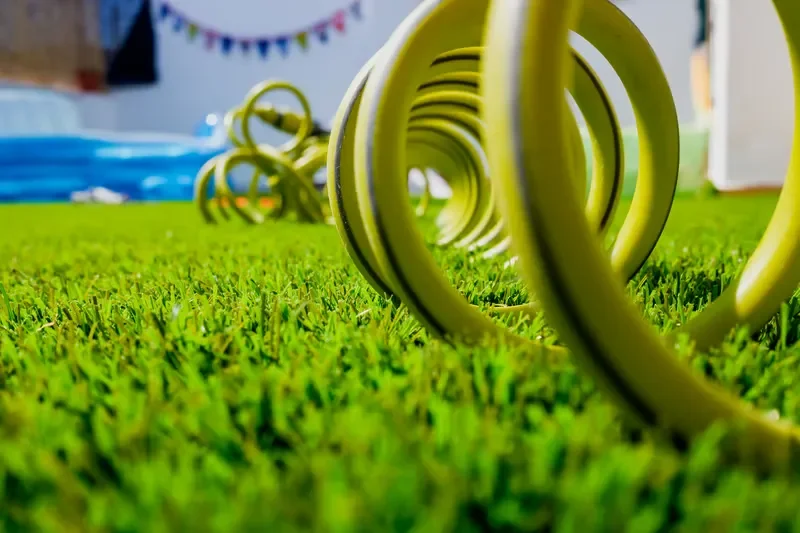
Standing water and mud patches getting in the way of enjoying your yard?
Our team at Cornerstone Lawn Services installs vibrant, low-maintenance artificial turf that transforms high-traffic, problem areas into lush, evergreen spaces year-round—giving you the perfect balance of effortless beauty, durability, and drainage without the endless mowing or mess.
You Might Also Want to Read
Eco-Friendly Landscaping
Every summer, a familiar battle plays out across our yards. The July heat creeps up, the grass loses its bright bounce, and our natural instinct is to turn up the dial on our traditional sprinkler clock.
Upgrading Your Privacy
You are ready to sit back, breathe in the fresh air, and listen to the birds welcome the day.
Crafting Your Perfect Backyard Oasis
Think about your backyard right now. Is it just a patch of green grass that you mow every weekend, or is it a place where you actually love to hang out?
