
Success with New Plantings: How to Help Them Thrive
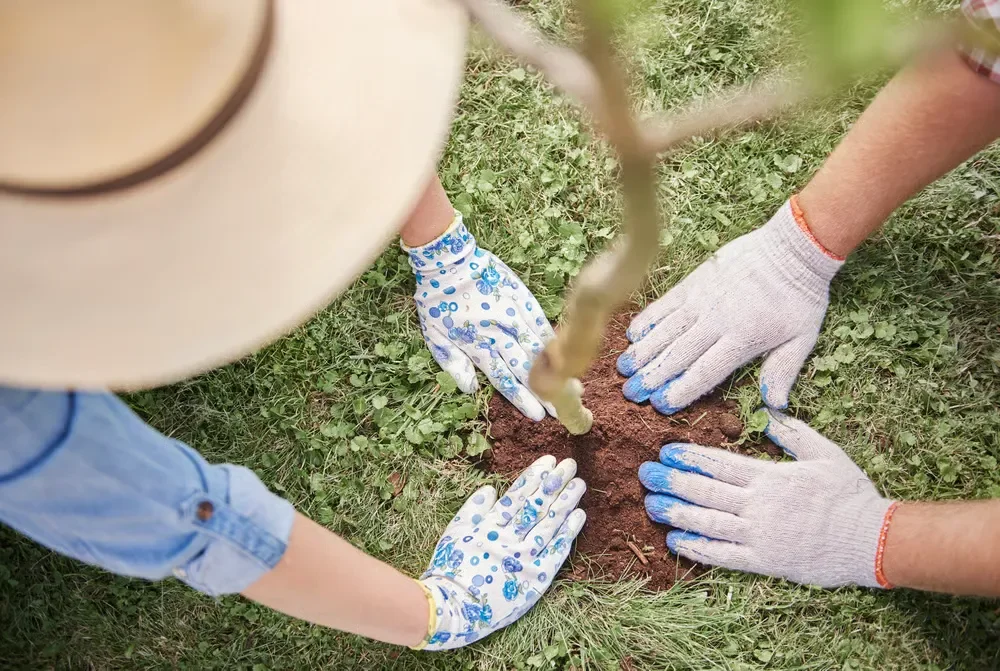
You’ve spent the weekend digging, positioning, and planting your beautiful new additions. Your yard finally looks the way you’ve always imagined. But here is the secret most people miss: the day you plant is only the beginning of the journey. The first year of a plant's life is its most vulnerable stage, and how you handle the basics of "aftercare" will determine if they become backyard giants or expensive compost.
Learning how to take care of new trees isn't rocket science, but it does require a bit of a shift in how you view your yard work. From the way you hydrate the roots to the blanket you give them in the form of mulch, these small habits make all the difference.
The Thirst is Real: Mastering Your Watering Schedule
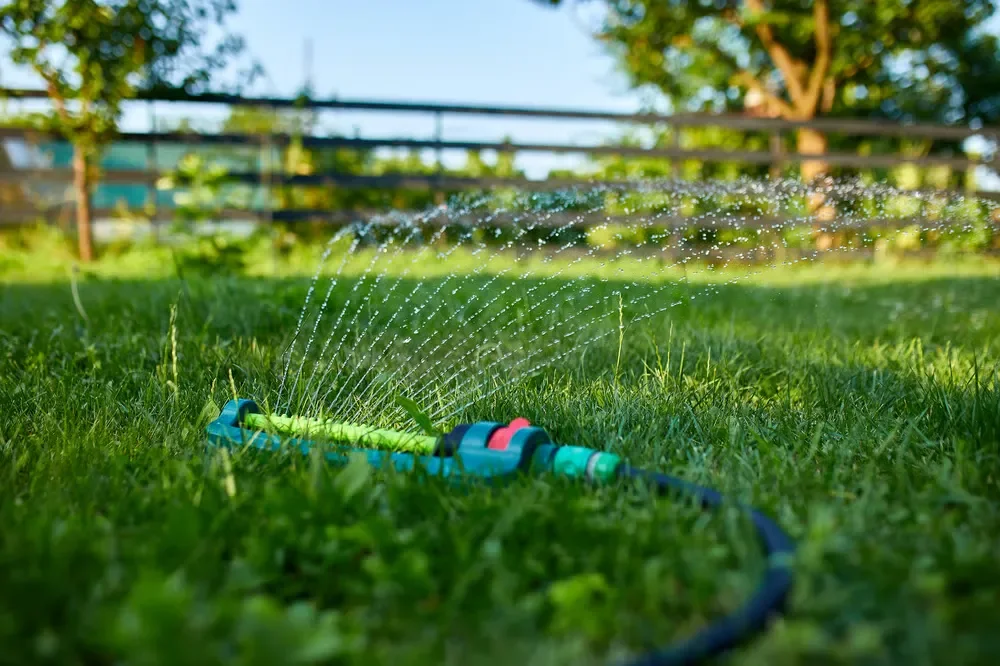
The number one question every new gardener asks is: how often to water new trees in summer? When the heat is on and the sun is high, your new trees are working double-time to establish roots while keeping their leaves from wilting. Unlike established trees, new plantings have a very small, contained root ball that can dry out in a matter of hours.
As a general rule, you should be checking your new trees daily during the first few weeks of summer. For the first month, watering every day (or every other day) is common. Once they have been in the ground for a few months, you can usually scale back to two or three times a week. However, don't just set a timer and walk away—stick your finger an inch or two into the soil. If it feels dry, drink up! If it’s soggy, give it a rest.
Quality Over Quantity: The "Low and Slow" Approach
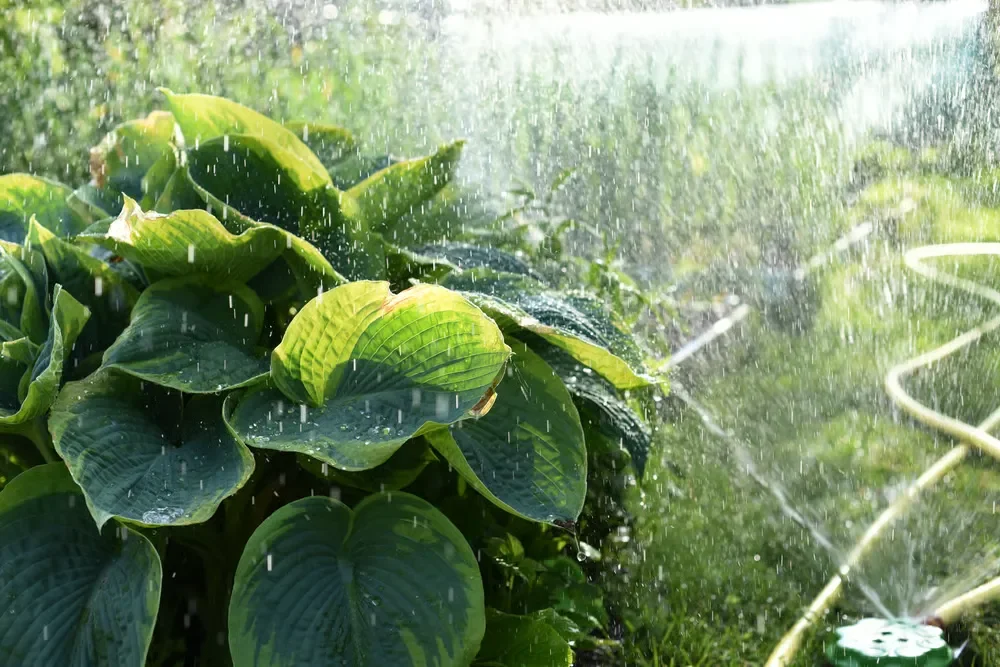
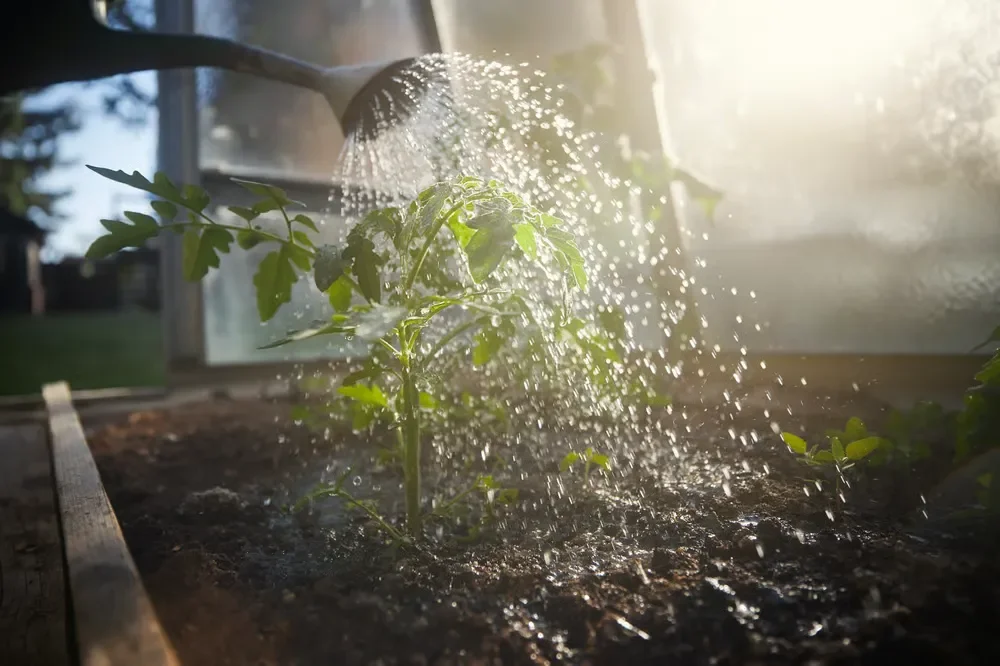
When people think about how to take care of new trees, they often imagine standing there with a high-pressure hose for thirty seconds. Unfortunately, that mostly just creates runoff. The water hits the surface and slides away, never reaching the deep roots where it’s actually needed.
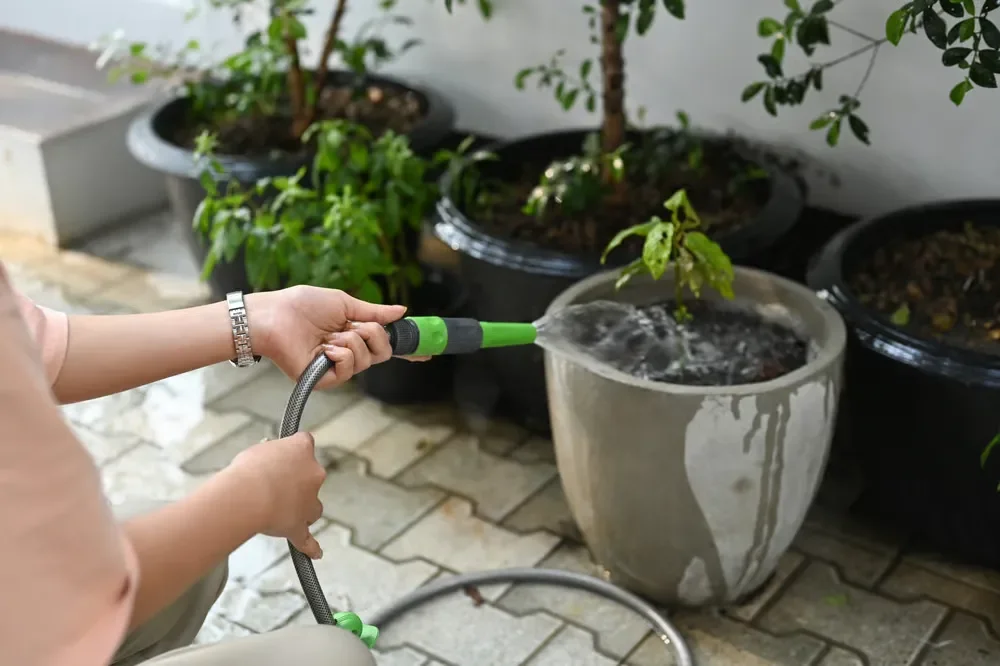
When people think about how to take care of new trees, they often imagine standing there with a high-pressure hose for thirty seconds. Unfortunately, that mostly just creates runoff. The water hits the surface and slides away, never reaching the deep roots where it’s actually needed.
The Magic of Mulch: More Than Just a Pretty Face
If watering is the fuel, mulch is the insulation. Think of mulch as a protective blanket for the soil. It does three incredible things: it keeps moisture from evaporating, it regulates soil temperature so the roots don't "cook" in the summer, and it prevents weeds from stealing the nutrients your new plant needs.
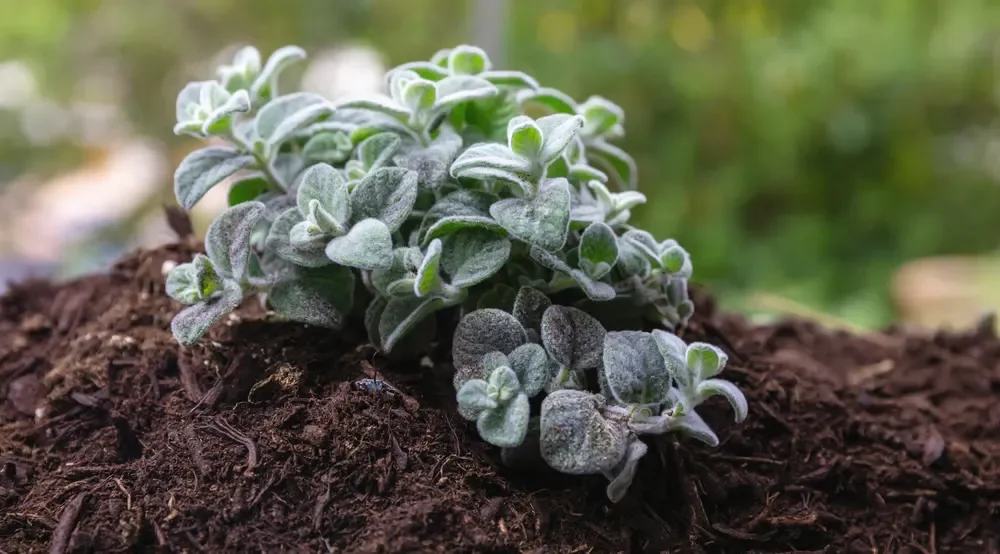
When considering how to take care of new trees, you want to apply a 2- to 3-inch layer of organic mulch (like wood chips or shredded bark) around the base. But here is a pro tip: avoid the "mulch volcano." Never pile mulch against the trunk itself, as this can trap moisture against the bark and cause rot. Keep the mulch back a few inches from the wood, creating a donut shape that lets the tree breathe.
Seasonal Stress: Surviving the First Summer Heatwave

The stakes get much higher when the temperature breaks 90°F. If you are wondering how often to water new trees in summer heatwaves, the answer is "more than you think." During extreme heat, a young tree can lose water through its leaves faster than its limited root system can pull it from the ground.
During these peaks, consider watering in the early morning or late evening. This ensures the water doesn't evaporate before it reaches the roots and gives the tree a "reservoir" to draw from during the hottest part of the day. If you see the leaves starting to curl or turn brown at the edges, your tree is telling you it's thirsty—don't wait for your scheduled "watering day" to give it a soak.
Patience Pays Off: Monitoring Your Investment
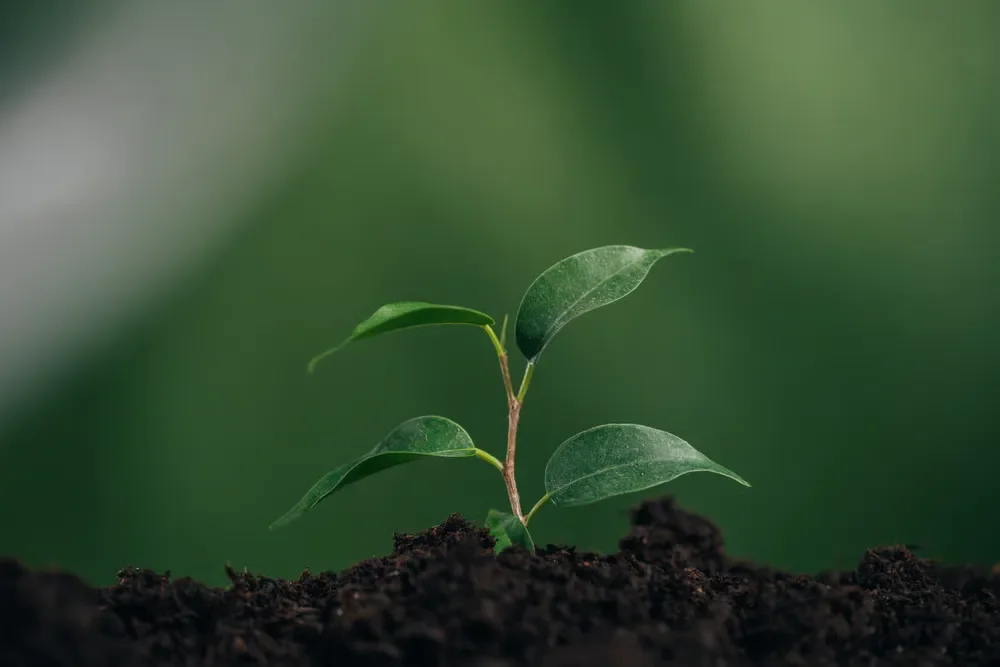
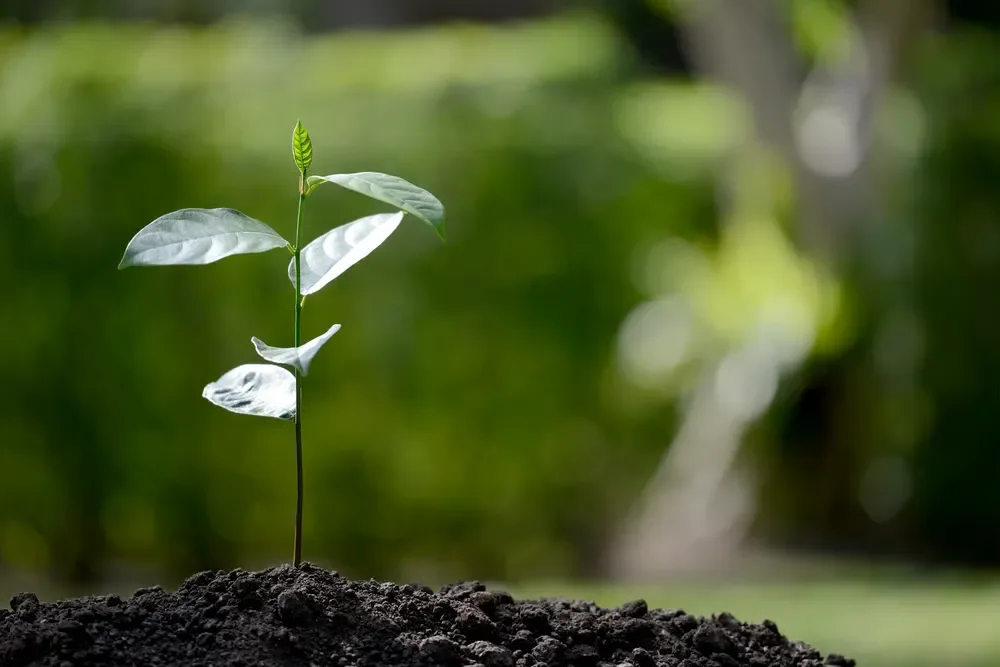
Finally, remember that the "establishment period" for a tree usually lasts about one year for every inch of trunk diameter. If you bought a tree with a 2-inch trunk, it will take roughly two years of careful attention before it is truly "established."
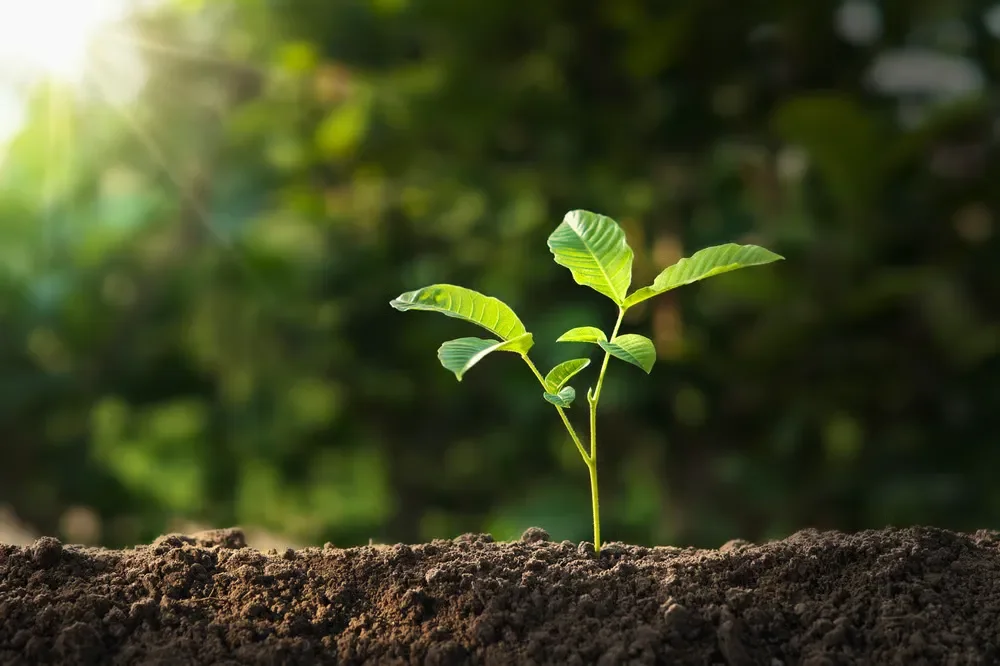
Learning how to take care of new trees means being a bit of a plant detective. Look for new growth, watch for pests, and stay consistent. It might feel like a lot of work now, but in a few years, you’ll have a sturdy, healthy tree that provides shade, beauty, and value to your home for decades to come.
Final Insights for a Lush Landscape
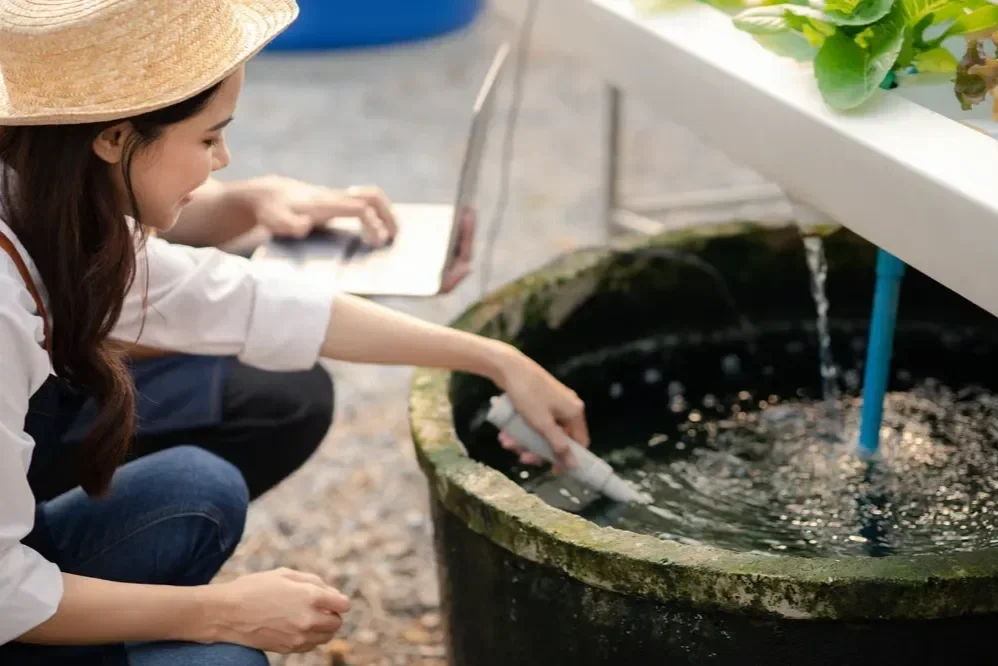
The Bucket Method: If you don't have a hose that reaches, drill a tiny hole in the bottom of a 5-gallon bucket, fill it with water, and set it at the base of the tree. It’s a DIY drip system!
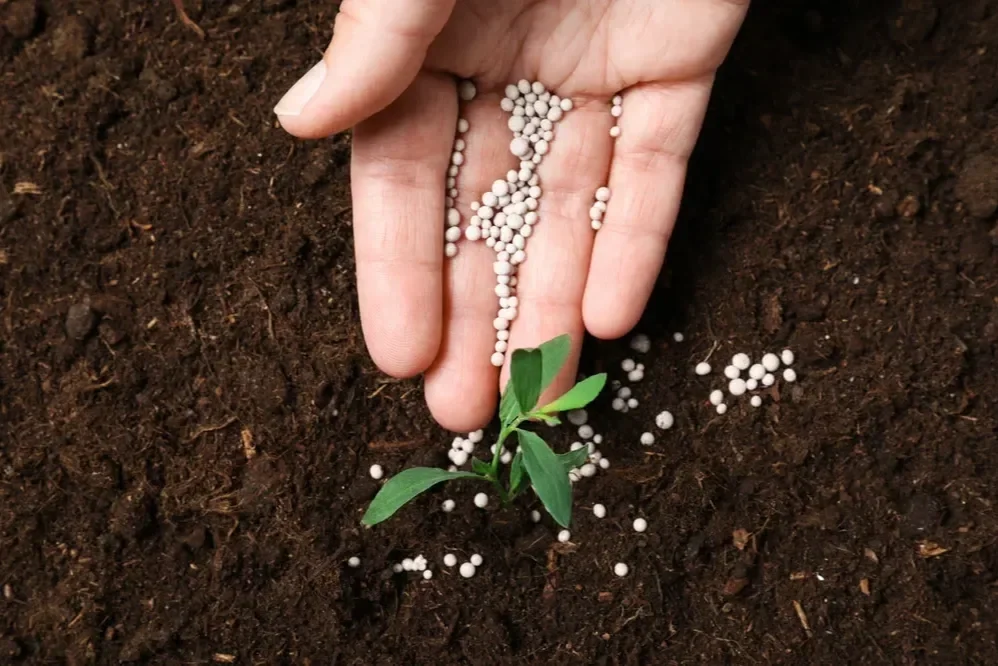
Don't Over-Fertilize: It’s tempting to dump "plant food" on a new tree, but too much nitrogen can actually stress a young root system. Stick to water and mulch for the first year
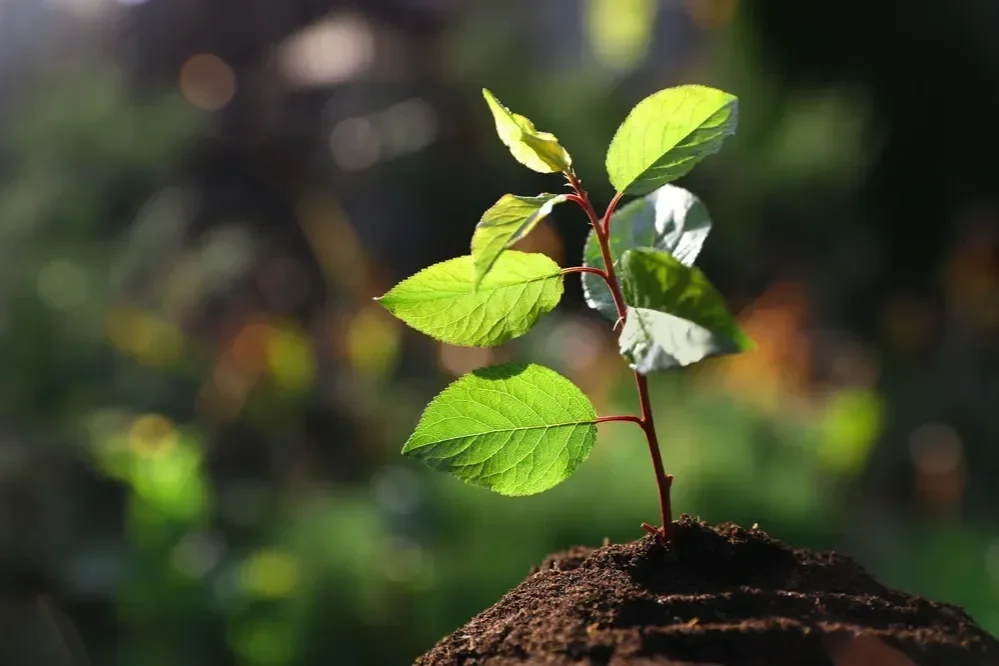
The Wind Factor: If your new tree is in a very windy spot, it will dry out faster. You might need to adjust how often to water new trees in summer to account for that "blow-drying" effect.
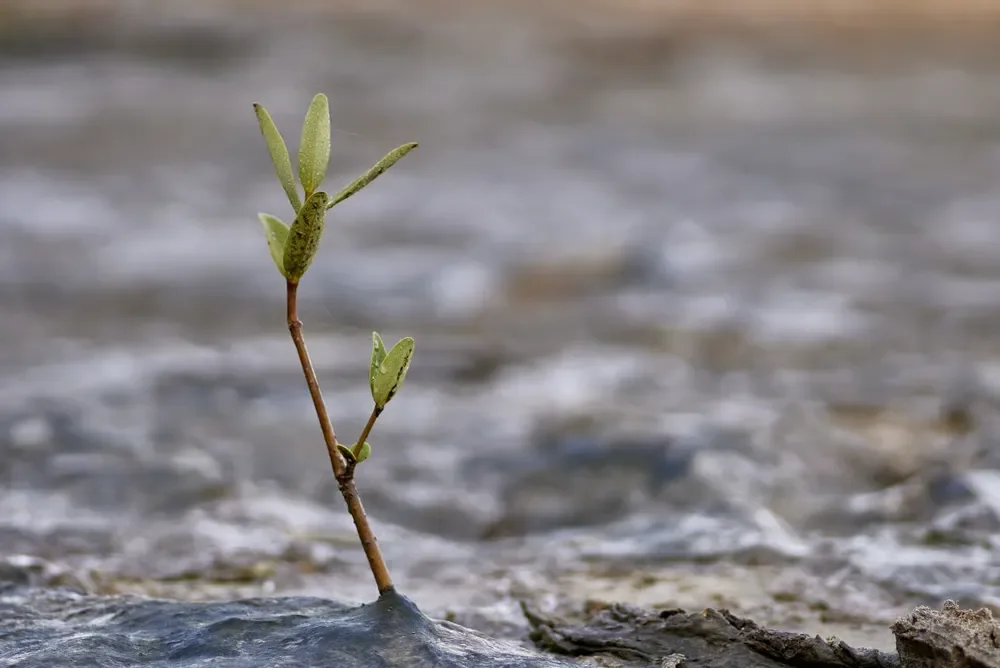
Check the Drainage: If water is still standing around the base of your tree an hour after watering, your soil might be too heavy. You may need to ease up to prevent root rot.
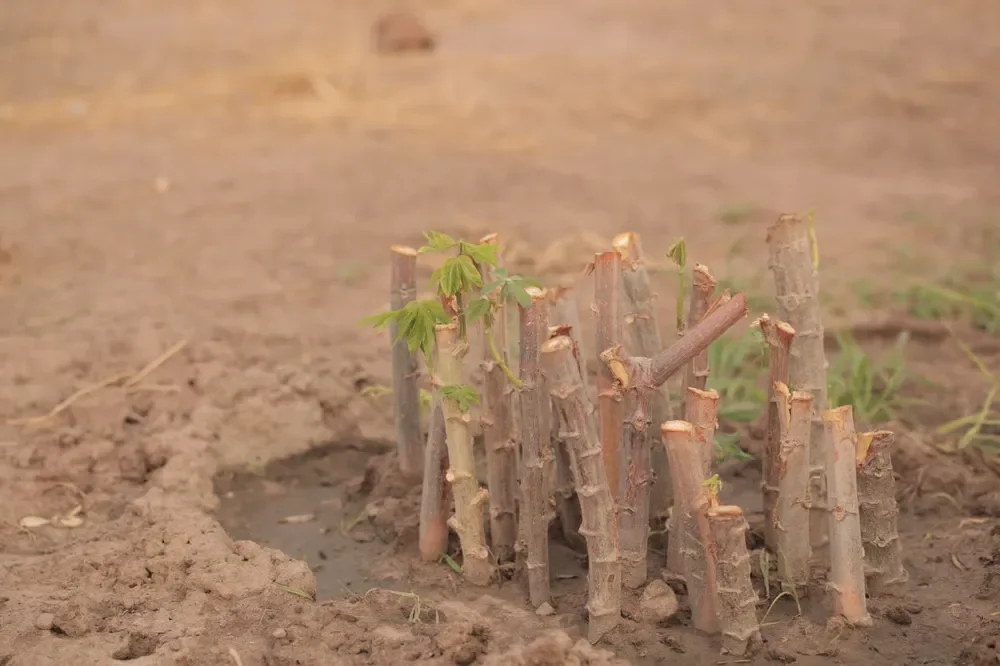
Stake Judiciously: Only stake a new tree if it’s in a high-wind area or can't stand on its own. A little bit of swaying actually helps the trunk grow stronger and thicker over time.
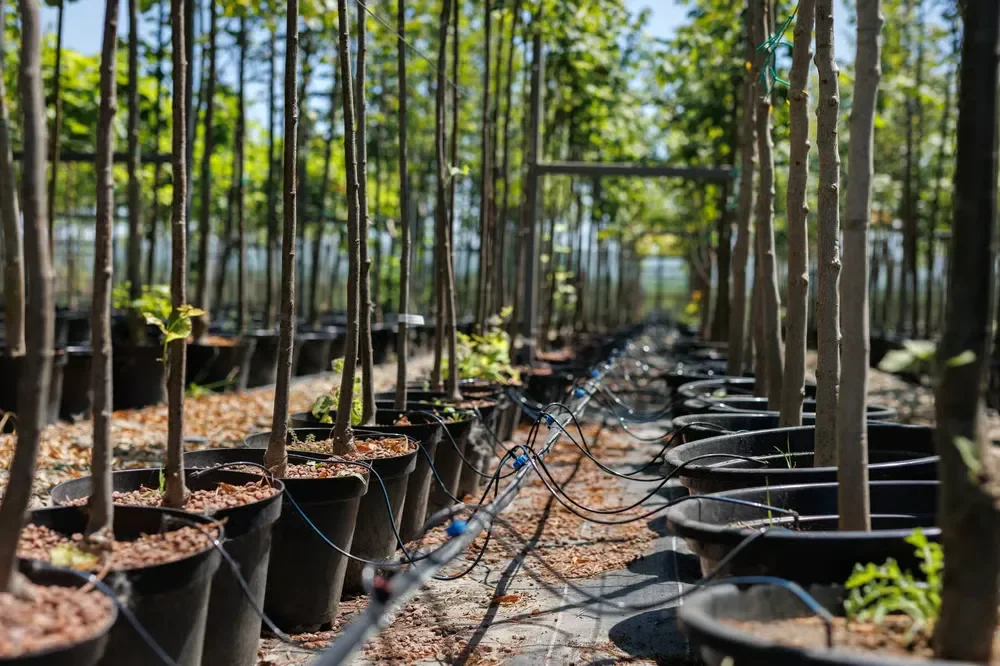
Are Your New Plantings Struggling to Survive the Season?
Give your young trees and shrubs a fighting chance by scheduling an expert soil and hydration assessment today!
You Might Also Want to Read
Your Backyard is not as Safe as you Think
Spot hidden outdoor hazards and protect your property. This guide helps you identify common backyard safety risks to keep your family and guests safe.

What Makes Cornerstone Lawn Services Unique?
Discover the difference with our expert care, personalized service, and commitment to a stunning, healthy landscape.
The Design & Installation Process
From design to expert installation, Cornerstone Lawn Services brings your vision to life on time, on budget, and beyond expectations.
For additional questions or comments please feel free to call 304-707-0437 or email us at office@cornerstonelawnservices.com
