The Low-Water Landscape: A Homeowner’s Guide to West Virginia’s Most Drought-Tolerant Natives
Gardening in the Mountain State often means navigating rocky soil, steep slopes, and unpredictable summer dry spells. Instead of fighting the terrain with thirsty, high-maintenance imports, why not lean into the natural resilience of our local flora? West Virginia’s native plants have spent millennia adapting to our specific humidity and heat, making them the ultimate "set it and forget it" solution for a stunning, eco-friendly yard.
Rugged Beauty: Five Native Stars for Your Landscape
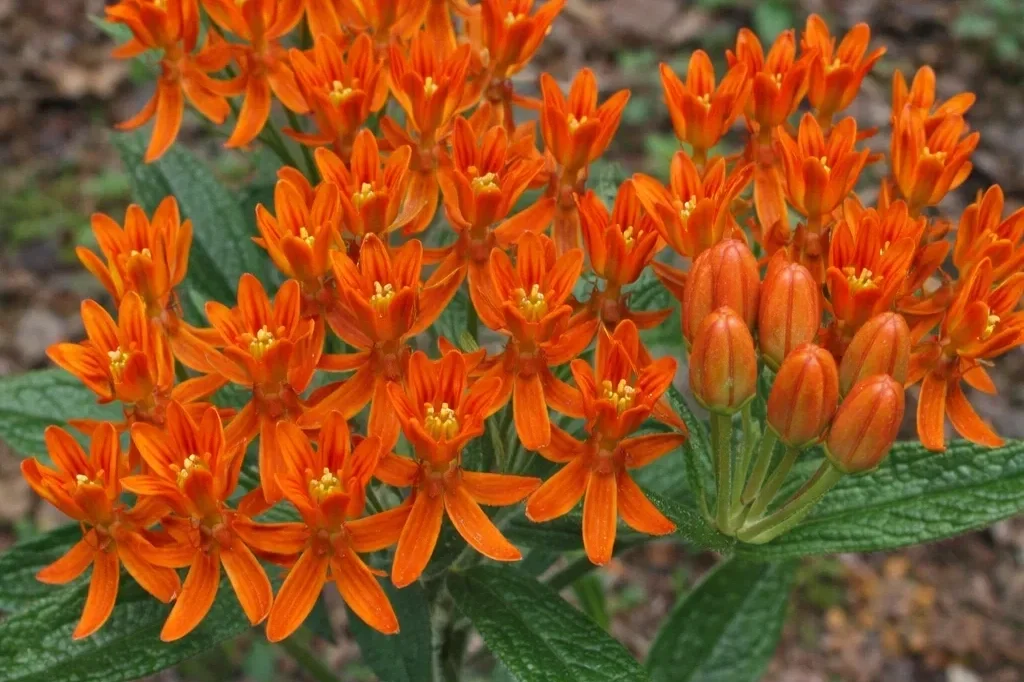
Butterfly Weed (Asclepias tuberosa)
If you have a sun-baked spot with poor soil, this is your champion. Its deep taproot acts like a natural straw, pulling moisture from deep underground so it stays vibrant while other plants wither. Beyond its fiery orange blooms, it serves as a critical nursery for Monarch butterflies, turning your garden into a vital sanctuary for this iconic insect.
Photo Courtesy: www.wildflower.org
A true Appalachian classic, these golden beauties are as tough as they come. They shrug off West Virginia’s summer swelter and humidity without breaking a sweat. Their best feature for homeowners? An incredibly long blooming season. You’ll have a splash of gold from early summer through fall, and they make sturdy, long-lasting cut flowers for your kitchen table.
Photo Courtesy: www.rhs.org.uk
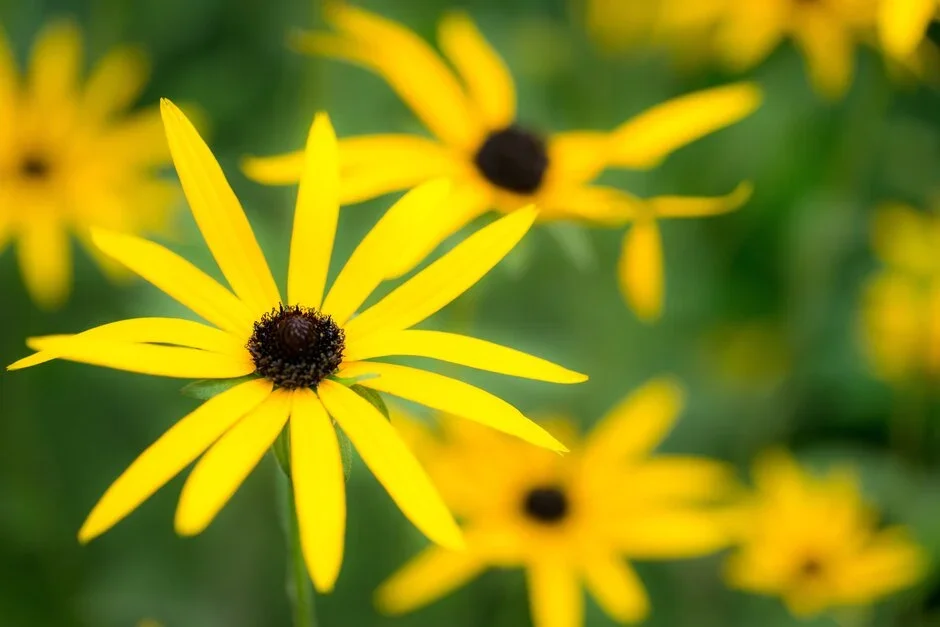
Black-Eyed Susan (Rudbeckia hirta)
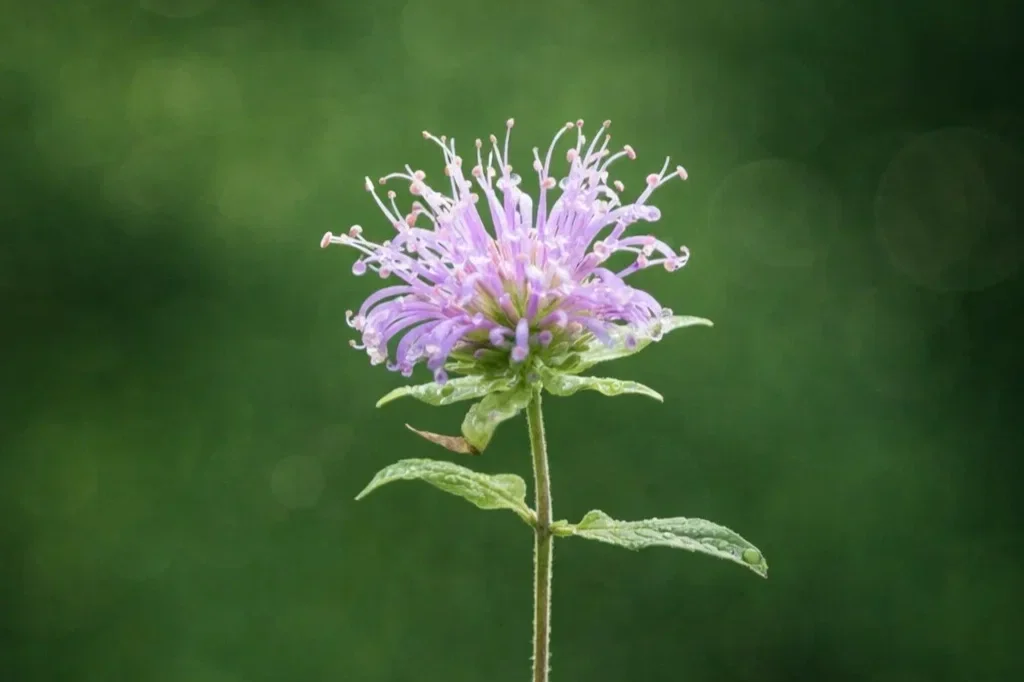
Wild Bergamot (Monarda fistulosa)
Found naturally in our dry fields and open woods, this lavender-hued beauty thrives on neglect. Also known as Bee Balm, it’s a favorite for hummingbirds. For the homeowner, it offers a hidden perk: the foliage smells like Earl Grey tea. This strong fragrance acts as a natural deterrent, making it much less attractive to hungry deer.
Photo Courtesy: www.swallowtailnativeplants.ca
For slopes or "bone-dry" patches, this native grass is a lifesaver. It handles drought with ease while its fibrous roots work hard to prevent soil erosion. While most plants look messy in the winter, Little Bluestem turns a striking reddish-bronze, providing gorgeous visual structure and texture even when covered in snow.
Photo Courtesy: www.mellowmarshfarm.com
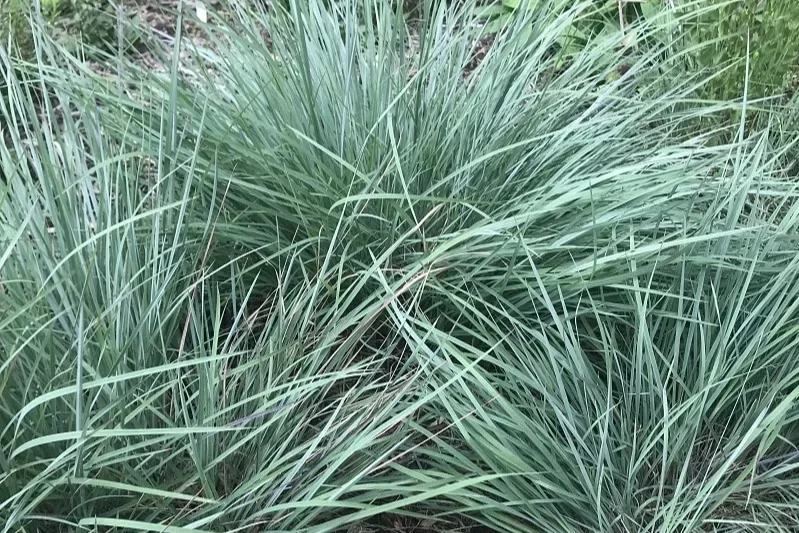
Little Bluestem (Schizachyrium scoparium)
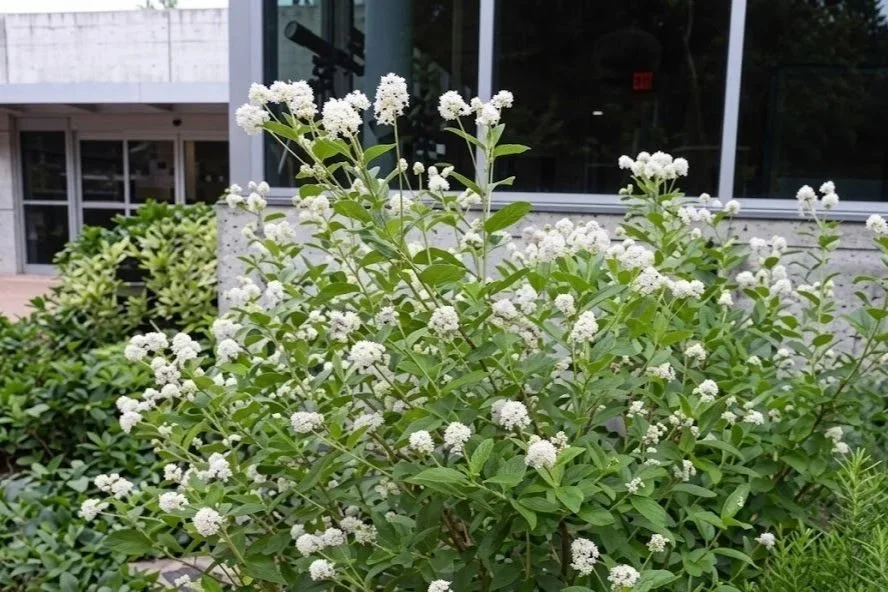
New Jersey Tea (Ceanothus americanus)
Many native shrubs can get "leggy" or overgrown, but New Jersey Tea stays compact, usually topping out at around three feet. It’s a tough-as-nails shrub that handles rocky or sandy Appalachian soils with ease. Its white, cloud-like clusters of flowers make it a perfect, low-maintenance choice for foundation plantings in smaller suburban lots.
Photo Courtesy: www.sugarcreekgardens.com
Final Insights for Your Appalachian Oasis
Establishment is Essential
Even the most drought-tolerant West Virginia natives need regular watering during their first year. Once they’ve "anchored" their roots into our mountain soil, you can largely retire the garden hose.
Support the Local Web
By planting these five species, you aren't just saving water—you’re providing a specific "menu" for the bees, birds, and butterflies that are unique to our region.
Naturalized is Not "Messy"
Native gardening is about embracing a softer, more organic look. Think of it as a curated piece of the West Virginia wilderness right outside your door.
Rock the Rocks
Many of these plants, like New Jersey Tea and Butterfly Weed, actually prefer the rocky soil often found in our state. Don't over-amend your soil; let them thrive in the rugged conditions they were born for.
Ready to see your garden truly thrive?
Our professional planting services combine expert design with precision care to create a vibrant, sustainable landscape you’ll love.
You Might Want To Read
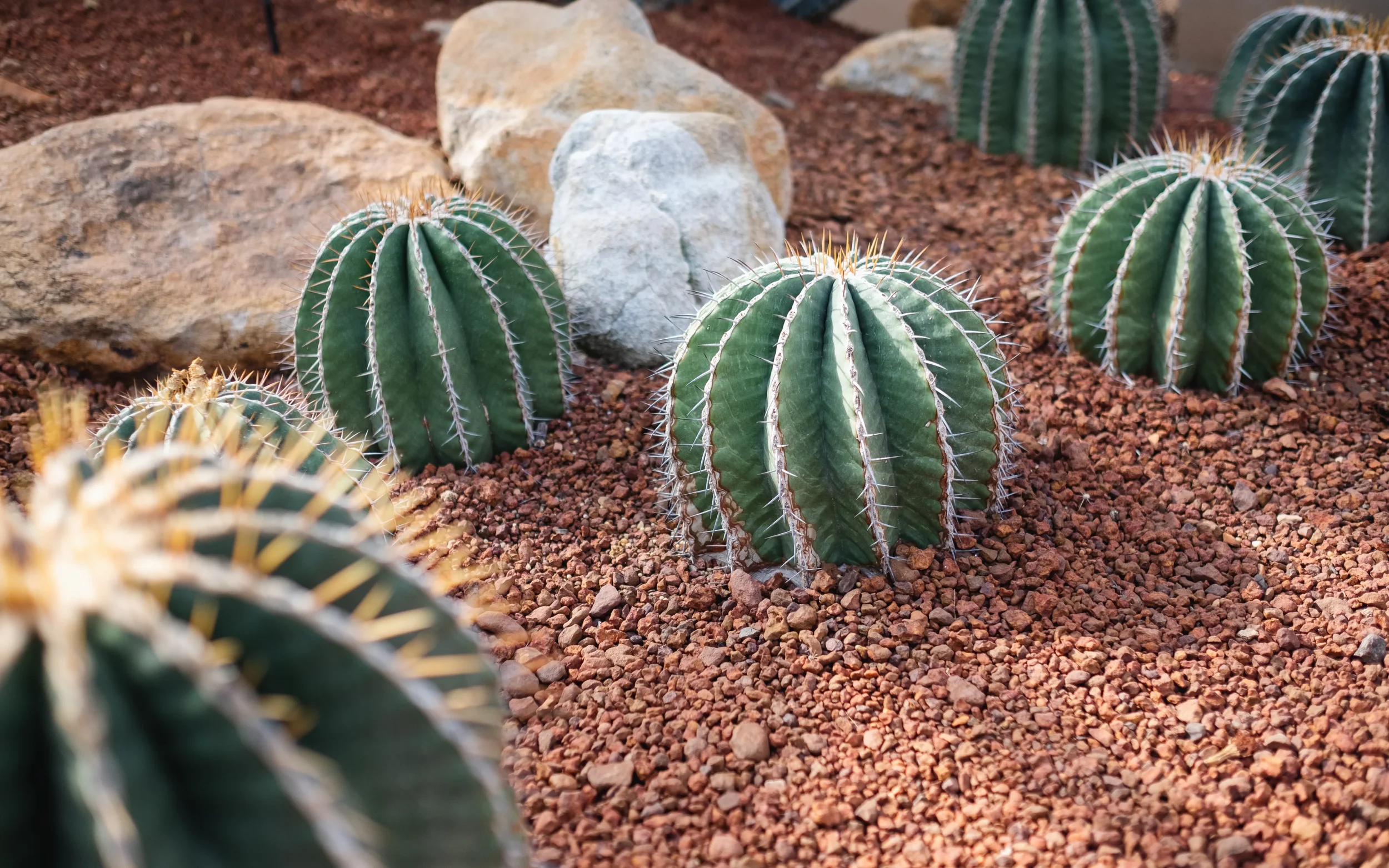
The Modern Lawn: Why Xeriscaping is a High-end Upgrade
Elevate your property with xeriscaping. Discover how this sustainable trend creates a high-end, low-maintenance oasis.

10 Reasons to Hire a Professional Landscaper
Unlock a stunning yard and save time with these 10 essential reasons to hire a professional for your landscape needs.
What Makes Cornerstone Lawn Services Unique?
Discover the difference with our expert care, personalized service, and commitment to a stunning, healthy landscape.
For additional questions or comments please feel free to call 304-707-0437 or email us at office@cornerstonelawnservices.com.
