
The Perfect Winter Lawn Mowing Height to Beat Mold
As crisp autumn air rolls in and leaves cover the yard, lawn care naturally shifts toward winter preparation. Many homeowners wheel their mower into the shed early, assuming the grass is done growing. However, setting the correct winter lawn mowing height during late October is one of the most effective steps you can take to protect your turf before freezing weather arrives. Getting that last cut of the season just right creates a defensive barrier against frost damage, pest harborage, and winter lawn diseases.
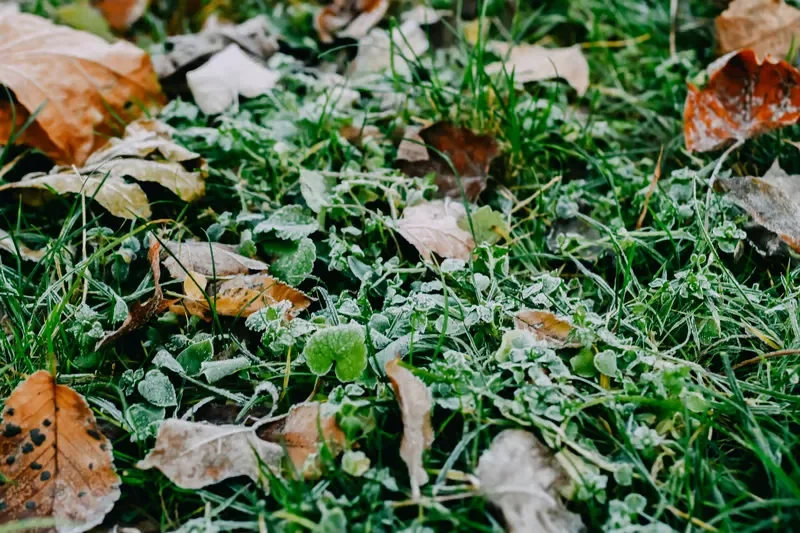
Why The Final Mow Matters for Winter Protection
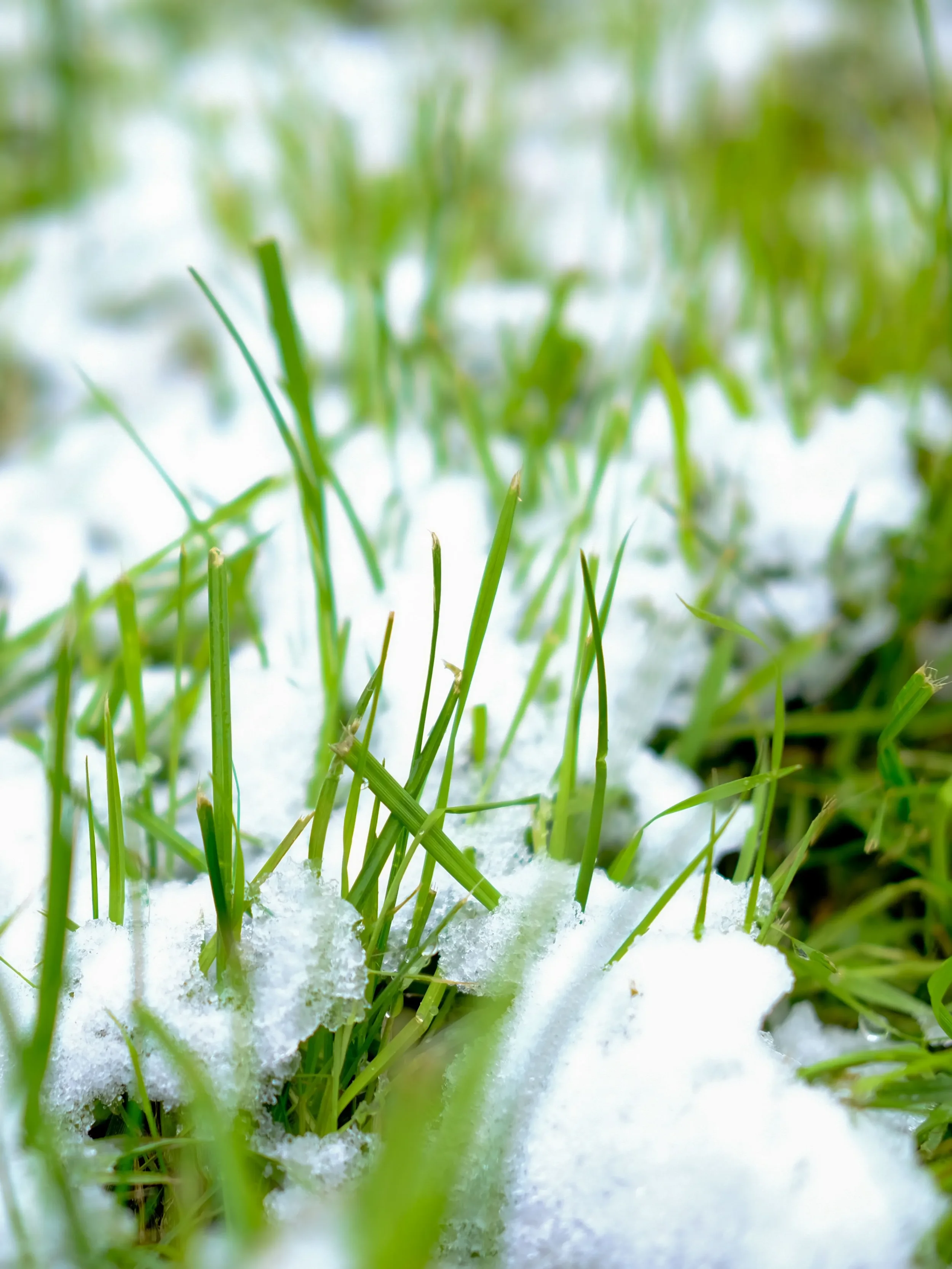
When grass stays too tall going into winter, heavy snowfall or persistent autumn rains press the long blades flat against the soil. This creates a dense, dark mat that traps moisture beneath it. These dark, soggy conditions are ideal for fungal spores, especially snow mold, which thrive under snow cover. Conversely, scalping your lawn too short leaves root systems exposed to harsh freezing temperatures, dry winds, and frost heaving. Finding the right winter lawn mowing height ensures grass blades are short enough to stay upright under snow while long enough to shelter vital roots.
The Ideal Height: How Low Should You Go?
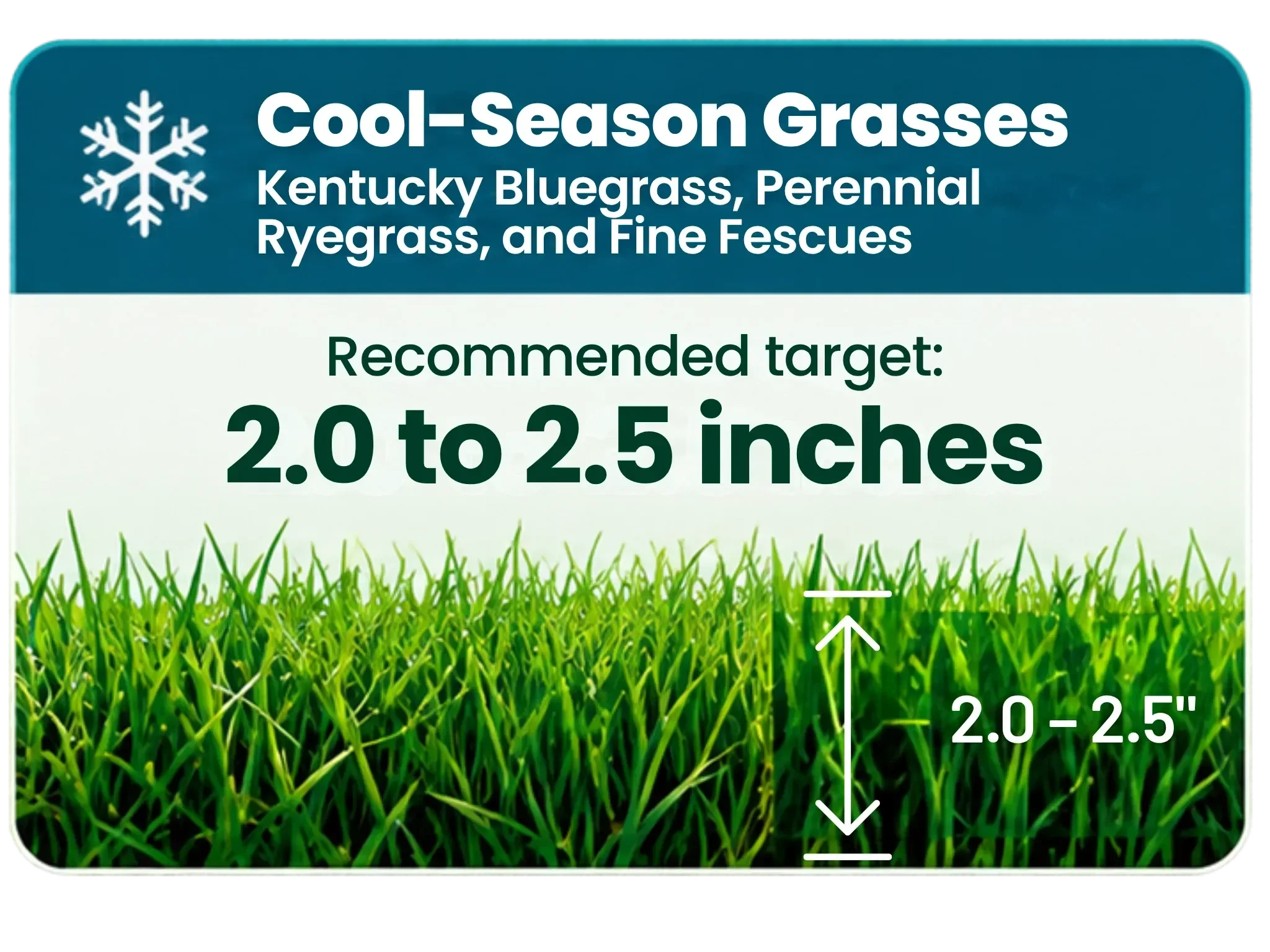
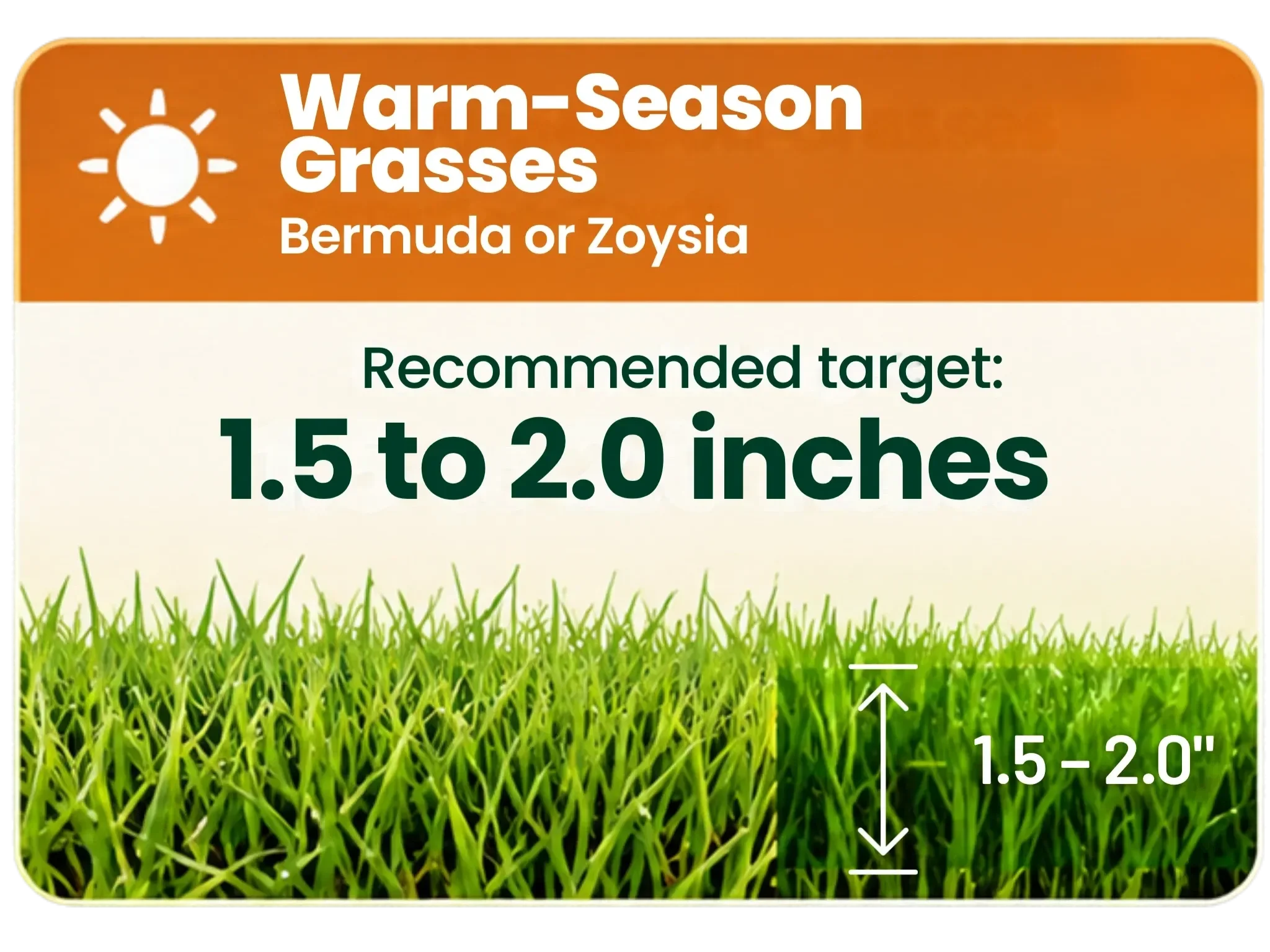
For most cool-season grasses like Kentucky Bluegrass, Perennial Ryegrass, and Fine Fescues, the recommended target is 2.0 to 2.5 inches. Warm-season grasses like Bermuda or Zoysia generally lean closer to 1.5 to 2.0 inches before entering winter dormancy.
The Step-Down Technique
Never shock your grass by cutting it down all at once. Follow the standard "one-third rule," which states you should never remove more than one-third of the total grass blade length in a single session.
Gradual trimming encourages turf to shift energy toward root strengthening rather than leaf growth, preparing it for low temperatures.
Preventing Snow Mold: Simple Autumn Steps
Snow mold appears in early spring as unsightly straw-colored or pinkish circular patches across the yard. Taking a few proactive steps alongside your final trim helps prevent snow mold lawn care issues down the line.
Clear Leaves and Debris: Never let thick mats of wet autumn leaves sit on top of freshly cut turf. Rake or mulch them into small pieces to maintain airflow.
Bag the Final Clippings: While leaving grass clippings to decompose is great during summer, your final autumn cut should ideally be bagged. Removing stray clippings eliminates moisture traps where fungi develop.
Avoid High-Nitrogen Late Fertilizing: Applying fast-release nitrogen fertilizer too late in the fall encourages soft, succulent growth that is susceptible to fungal infection under snow. Stick to specialized fall fertilizers designed for root health rather than top growth.
Knowing When to Make Your Final Cut
Timing your final mow height before winter depends on local weather patterns rather than a fixed calendar date. A good rule of thumb is to monitor soil temperatures and daytime high readings. Once soil temperatures drop consistently below 45°F (7°C) and ambient daytime highs hover around 50°F (10°C), cool-season turf drastically slows its growth rate. Plan your final session right after the first light frost, when the grass has halted upward growth but before the ground freezes solid.
A healthy spring lawn is built in late autumn. Taking the time to dial in your winter lawn mowing height protects your turf investment through months of freezing temperatures, heavy rain, and snow cover.
By gradually stepping down your grass height to 2.0–2.5 inches, clearing fall leaf debris, and removing excess clippings, you eliminate the trapped moisture that snow mold needs to thrive. A brief 30-minute mowing session in late October saves hours of spring repair work, ensuring your lawn emerges lush, green, and disease-free as soon as warmer weather returns.
Tired of spring snow mold turning your frozen lawn into a muddy disaster?
Our team at Cornerstone Lawn Services delivers the ultimate end-of-season trim—locking in optimal grass height to keep rot out, protect roots, and give you a thick, vibrant green lawn the moment winter thaws.

Why Fall Aeration and Over seeding Is Pure Lawn Magic
As summer fades and a cooler breeze starts to settle in, take a quick walk across your front lawn. What do you see?

The Fall Soil Reset
As September rolls in, the crisp breeze and vibrant leaves signal a natural shift in the garden.

Ponds, Fountains, and Everything In Between
High end hotels, upscale restaurants, and million dollar homes all share one thing in common.
