
The Ultimate Guide to Mowing Your Lawn in the Fall
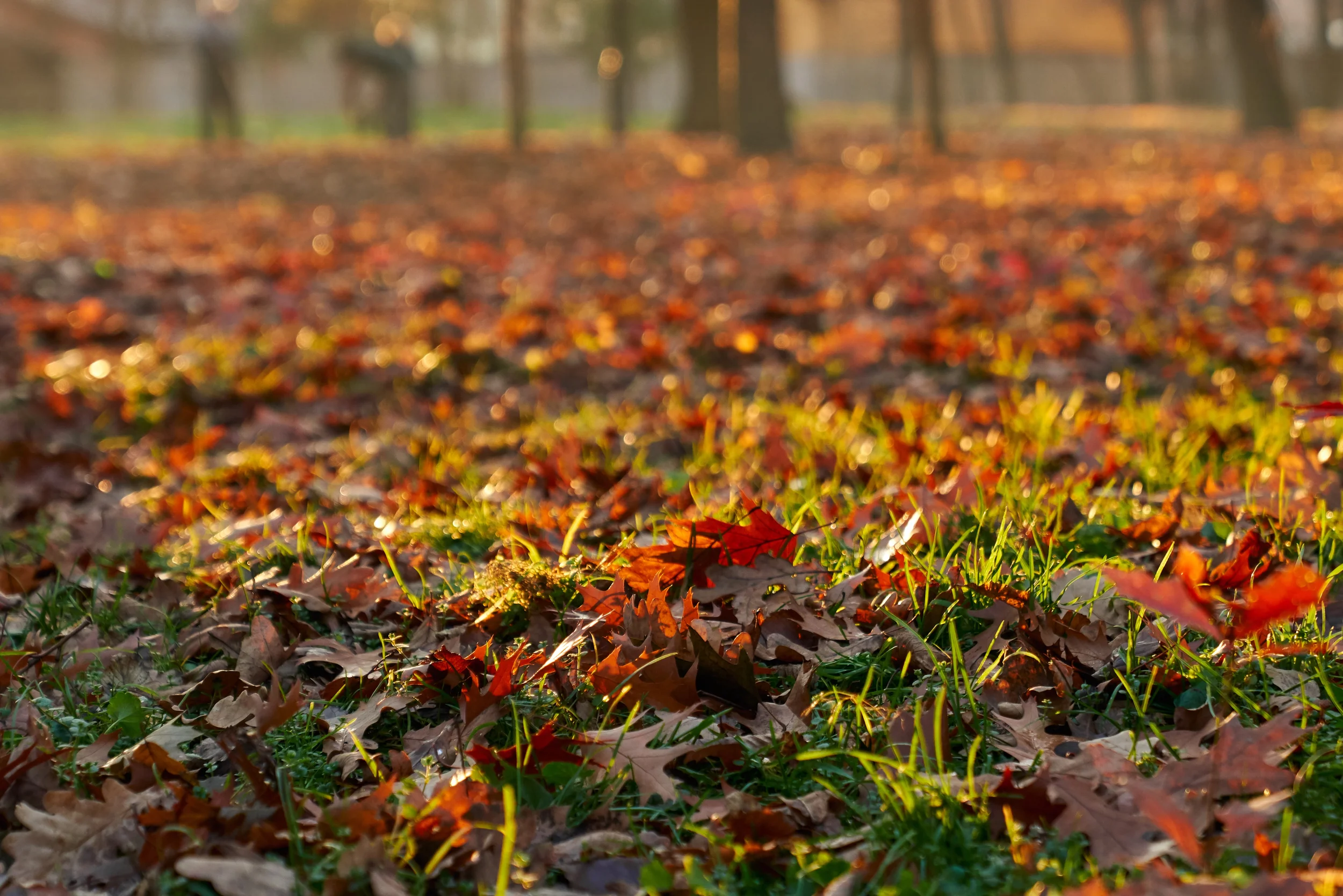
As summer fades and crisp autumn air rolls in, it’s easy to think your lawn care duties are officially over for the year. You might be tempted to park your mower in the back of the garage, kick up your feet, and watch the colorful leaves cascade down. But hold that thought! Autumn is actually the secret weapon season for your grass. Giving your yard proper attention right now sets the stage for a lush, velvety green carpet when spring rolls around. Taking time for mowing your lawn in the fall isn't just about keeping up appearances; it’s vital insurance for your turf's long-term health.
Let's dive into why autumnal trim work matters so much, how to handle your mower like a pro, and how simple adjustments during these cool months can save you hours of headache next year.
Why Fall Mowing Matters More Than You Think
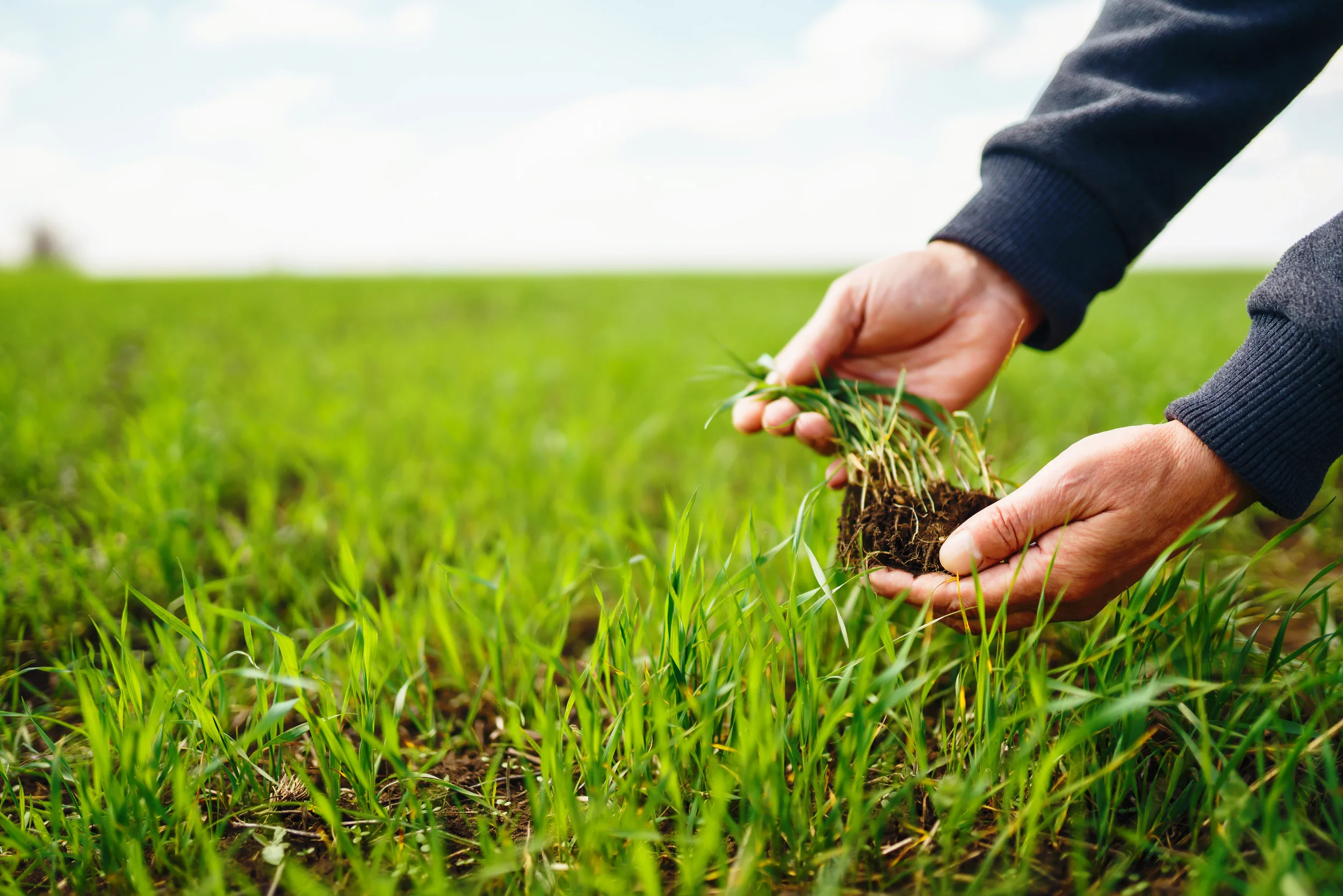
When temperatures drop, top growth slows down, but beneath the surface, your grass is working overtime. The roots are busy soaking up nutrients, building deep strength, and storing energy to survive the frozen winter months ahead. Keeping up with mowing your lawn in the fall directly supports this beneath-the-surface power hour.
If you let your grass grow too long before winter sets in, tall blades tend to flop over under heavy rain, frost, or snow. This creates a dense, matted layer that traps moisture against the soil—a perfect breeding ground for nasty fungal infections like snow mold. On the flip side, ignoring the mower allows fall debris and damp leaves to smother the turf, blocking out precious sunlight. Regular autumn cuts keep the lawn breathing, healthy, and resilient.
The Golden Rule: Nail the Perfect Cutting Height
When autumn arrives, you shouldn't just keep running the mower at the exact same height setting you used all summer. Adjusting your deck height gradually is one of the most critical parts of mowing your lawn in the fall successfully.
During early autumn, keep your mower deck at a moderate height to encourage steady root development. As you approach your final two cuts before winter, begin lowering the blades slightly. You want to aim for a final height of about 2 to 2.5 inches for most common cool-season grasses.

Why drop the deck? Shorter grass stays upright under heavy snow cover, preventing matted blades and fungal outbreaks.
Don't go too short! Avoid scalping the lawn. Cutting off more than one-third of the grass blade at once stresses the plant, leaving roots vulnerable to deep frost damage.
Blade Sharpening: Sharp Steel Means Healthy Turf
Imagine trying to cut a crisp autumn apple with a dull, rusty butter knife. It shreds, squashes, and rips instead of slicing cleanly. The exact same thing happens to your grass when you use dull lawnmower blades.
Dull blades tear the tops of the grass rather than making a clean, surgical cut. These ragged ends turn brown, dry out quickly, and open up open wounds where lawn diseases can easily take hold. Before you embark on your routine of mowing your lawn in the fall, inspect your blades. Either sharpen them at home with a file or take them to a local garden shop for a quick tune-up. Clean cuts heal fast and keep your lawn looking vibrant green instead of frayed and brown.
Mulch Those Leaves Directly Into Your Soil
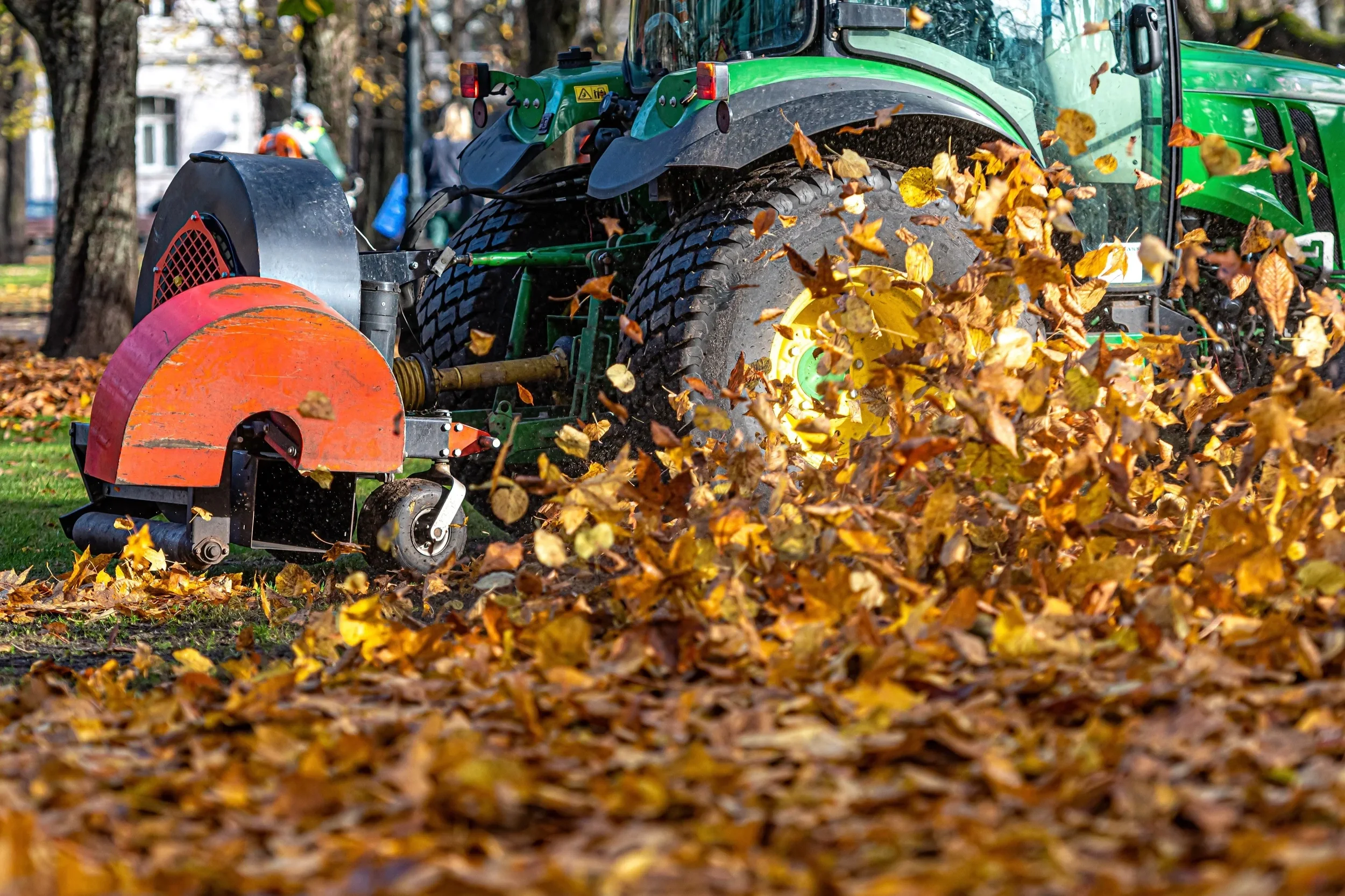
Are falling leaves cluttering up your yard? Put away that rake and let your lawnmower do the heavy lifting! One of the biggest hacks when mowing your lawn in the fall is converting falling leaves into free organic fertilizer.
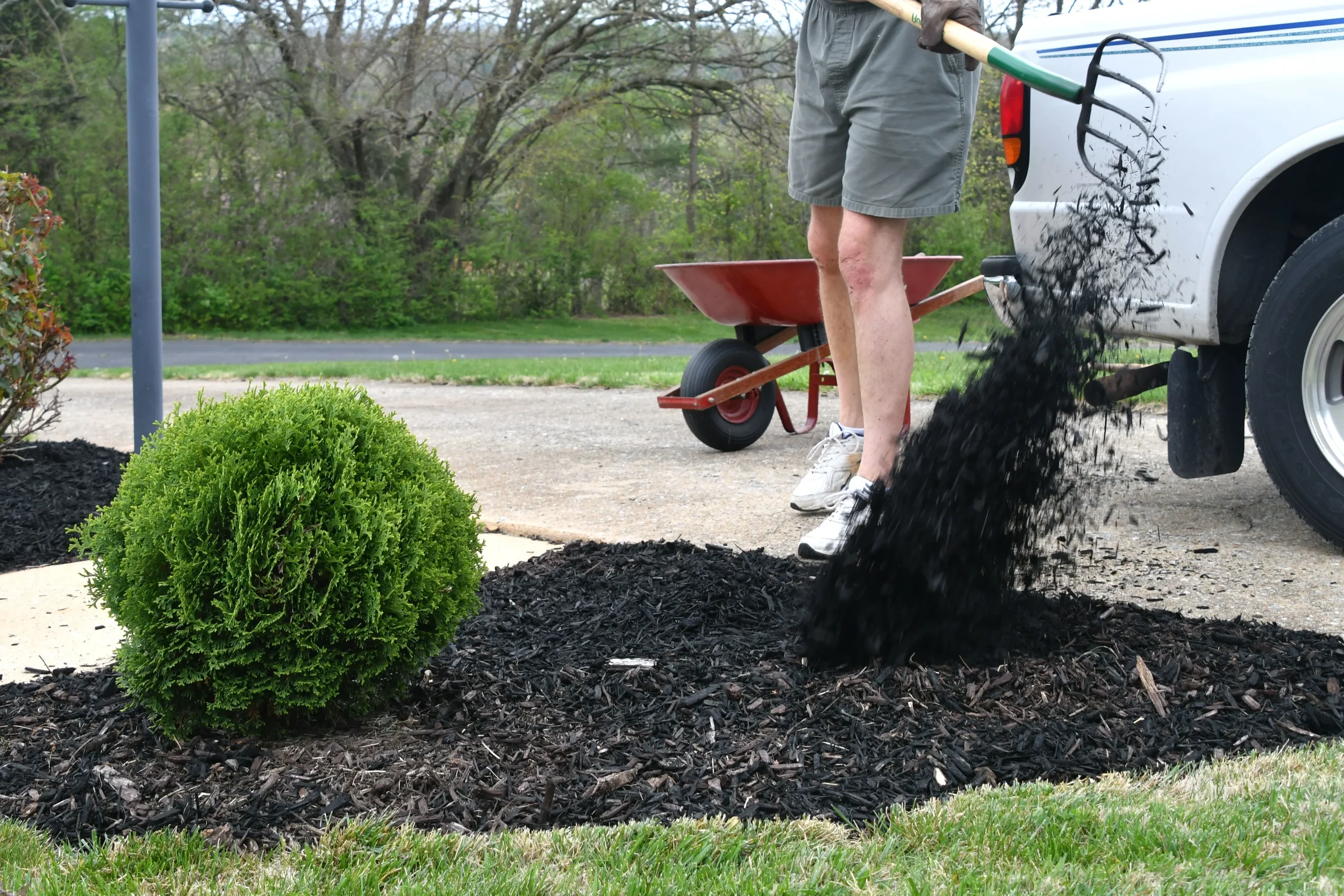
Instead of bagging up leaves or burning through energy raking them into giant piles, run over them with a mulching mower. The mower shreds the dry leaves into small, coin-sized flakes. These tiny leaf bits sink down between the blades of grass, where microbes and earthworms break them down into rich organic nutrients. This natural mulch feeds your soil micro-biome, retains moisture, and suppresses spring weeds—all without spending a dime on store-bought lawn food. Just make sure you don't let the leaf layer get so thick that it chokes out light before you shred it.
Final Trim Logistics: When to Call It Quits
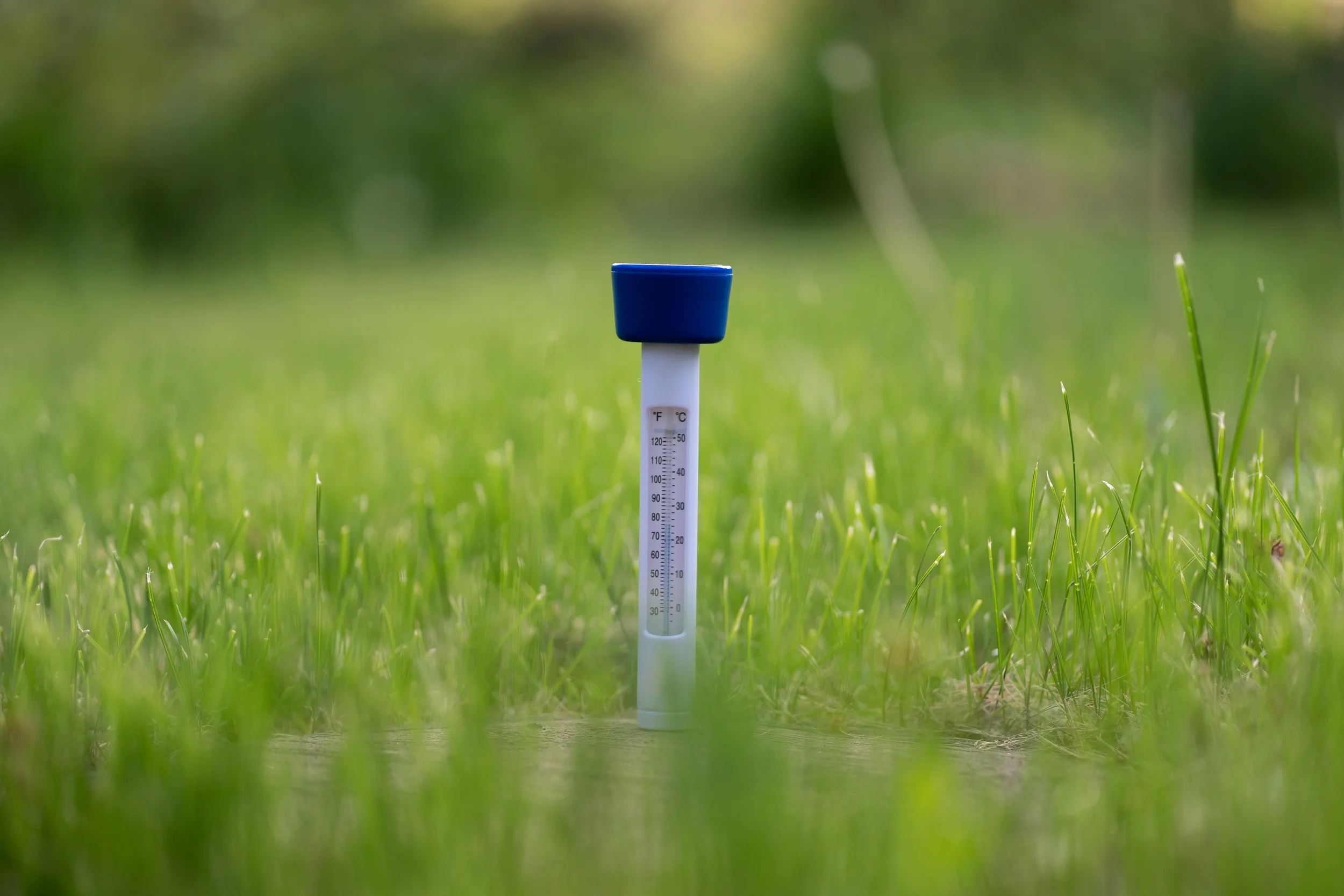
Knowing when to perform your very last cut of the season can feel like a guessing game, but your grass will give you clear signals. As temperatures consistently drop below 50°F (10°C), soil temperatures cool down, and grass growth naturally grinds to a halt.
Plan your final session of mowing your lawn in the fall right after the first hard frost, when you notice the grass has officially stopped growing tall. Make sure to choose a clear, dry afternoon. Mowing wet or frozen grass can compact the soil, tear delicate root systems, and leave deep ruts across your yard. Once that clean, final cut is complete, clean off the mower deck, empty any remaining fuel, and store your equipment away safely for winter dormancy.
Final Insights: Your Autumn Investment Pays Off

It’s easy to treat autumn lawn care as an annoying chore standing between you and cozy winter fires. But viewing fall yard work through a strategic lens changes everything. Mowing your lawn in the fall isn't merely about aesthetics or keeping up with the neighbors—it is an investment in your home's outdoor ecosystem.
By gradually lowering your cutting height, sharpening your mower blades, mulching fallen leaves, and timing your final cut before the ground freezes, you protect your grass from disease, root damage, and spring weed invasions. When winter snows finally melt away, you won't be faced with a patchy, diseased lawn requiring expensive rescue treatments. Instead, you'll wake up to a thick, vibrant, shock-resistant lawn ready to burst into life at the very first sign of spring warmth. Spend a little quality time behind the mower today, and your future self will thank you next season!
Ready To Set Your Lawn Up For A Strong Spring Recovery Before The Cold Hits?
The Ultimate Guide to Mowing Your Lawn in the Fall breaks down proper cut heights, optimal leaf-mulching techniques, and final seasonal passes to protect your turf against winter stress and ensure a vibrant, healthy comeback. 🍂✂️
You Might Want To Read
The Modern Lawn: Why Xeriscaping is a High-end Upgrade
Elevate your property with xeriscaping. Discover how this sustainable trend creates a high-end, low-maintenance oasis.

10 Reasons to Hire a Professional Landscaper
Unlock a stunning yard and save time with these 10 essential reasons to hire a professional for your landscape needs.

What Makes Cornerstone Lawn Services Unique?
Discover the difference with our expert care, personalized service, and commitment to a stunning, healthy landscape.
For additional questions or comments please feel free to call 304-707-0437 or email us at office@cornerstonelawnservices.com.
