
Transform Winter Garden Beds for Spring
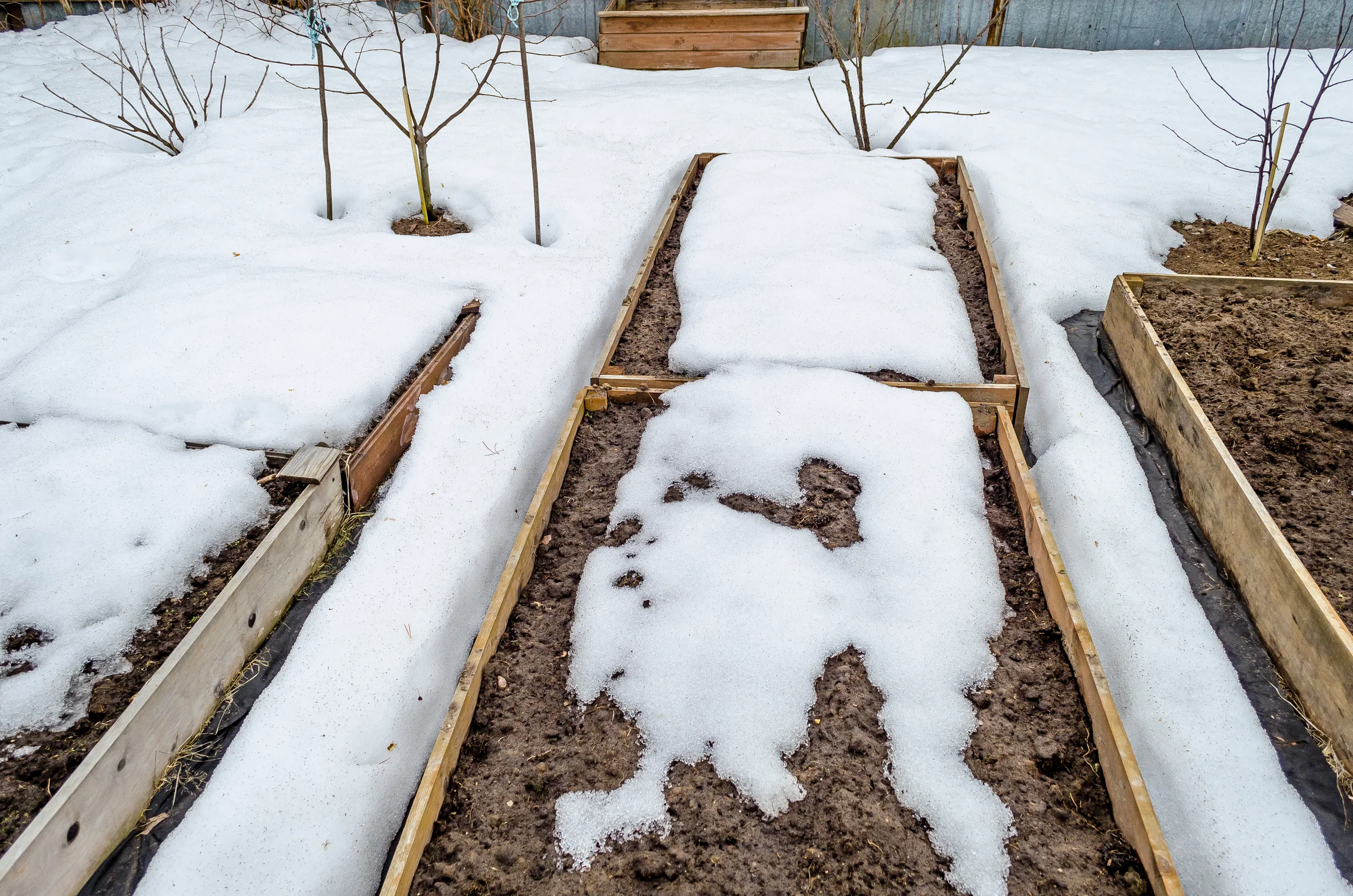
Easy secrets to boost soil and protect plants
When winter rolls around, it is easy to look out the window at cold, empty ground and assume the outdoor growing season is completely on pause. Most of us just want to bundle up inside with a warm mug of cocoa and wait for warmer days. But what if your outdoor space did not have to go completely dormant? Setting up high-performing winter garden beds is actually one of the easiest ways to keep your green thumb active and build incredible soil for the coming year.
Whether you want to harvest crisp cold-weather greens like kale and spinach, protect your delicate perennial roots, or just give your soil a nutrient-rich reset, caring for your winter garden beds now yields huge rewards later. Taking care of your raised or in-ground plots during the colder months ensures explosive growth and fewer weeds when warm weather returns.
Let's dive into simple, budget-friendly strategies to prepare, protect, and maximize your winter garden beds without turning outdoor chores into a freezing hassle.
1. Clean Up for Healthy Winter Garden Beds
Clear debris to stop pests
before they start
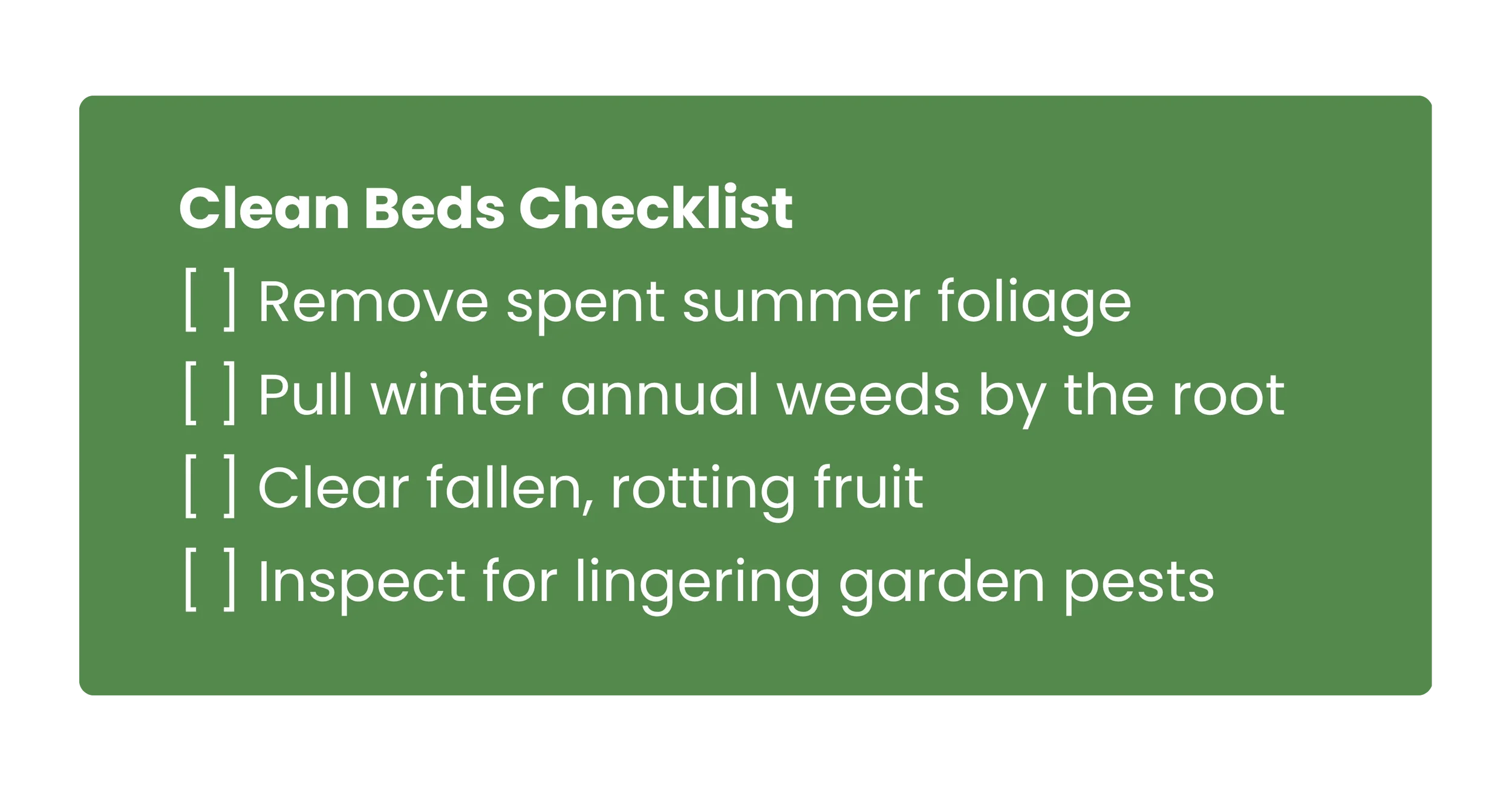
Before tucking your garden in for the cold months, clear away dead or spent summer crops. Rotting leaves, fallen fruit, and diseased stems from last season are cozy winter hotels for destructive insects and fungal spores. Removing old vegetation from your winter garden beds creates a clean slate and reduces plant health issues when spring arrives.
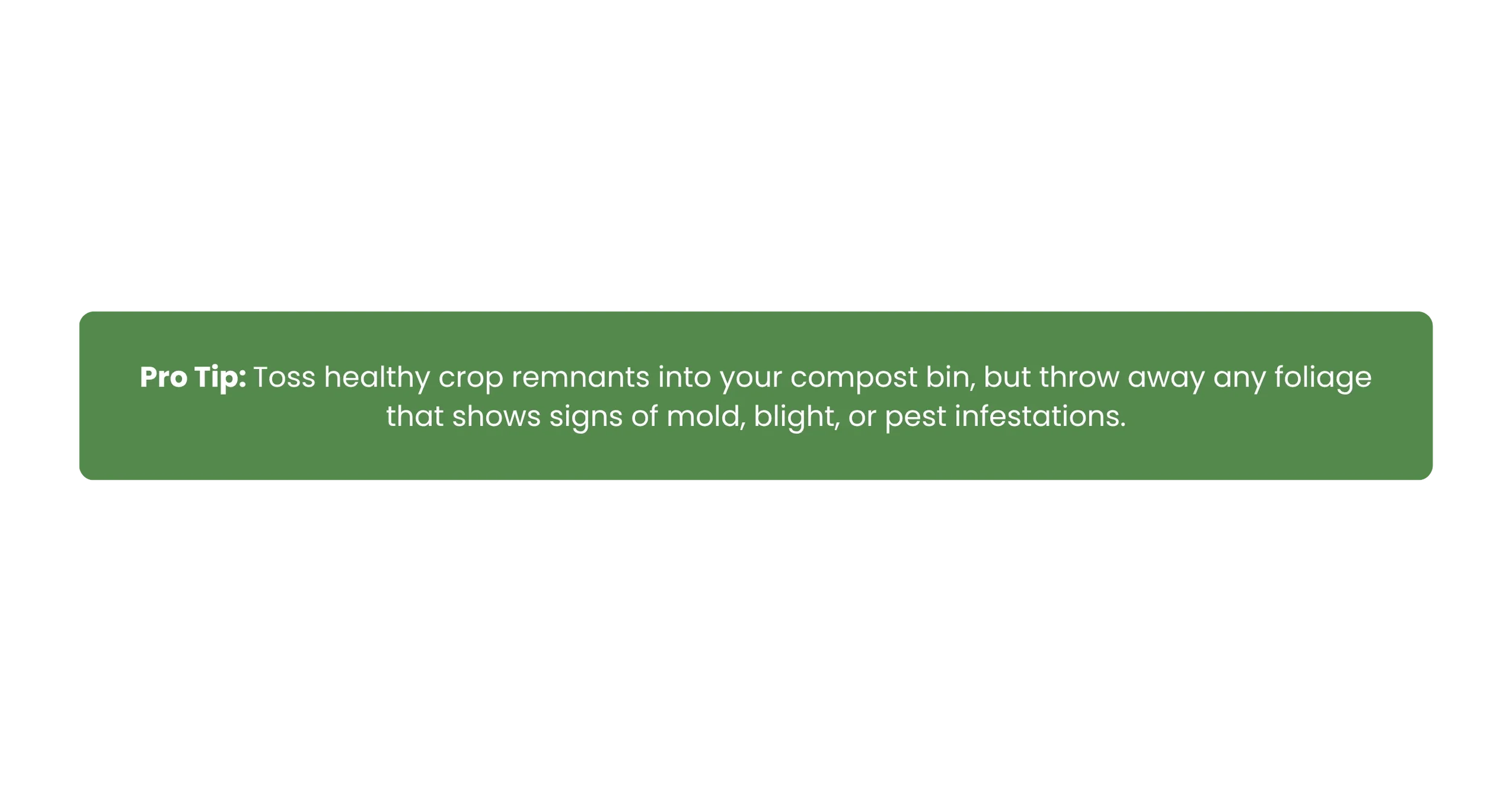
You do not need to scrape the ground completely bare, but taking 20 minutes to pull annual weeds by the roots prevents them from dropping seeds into the soil. Think of this step as hitting the refresh button.
2. Feed Soil in Winter Garden Beds
Simple amendments that work while you rest
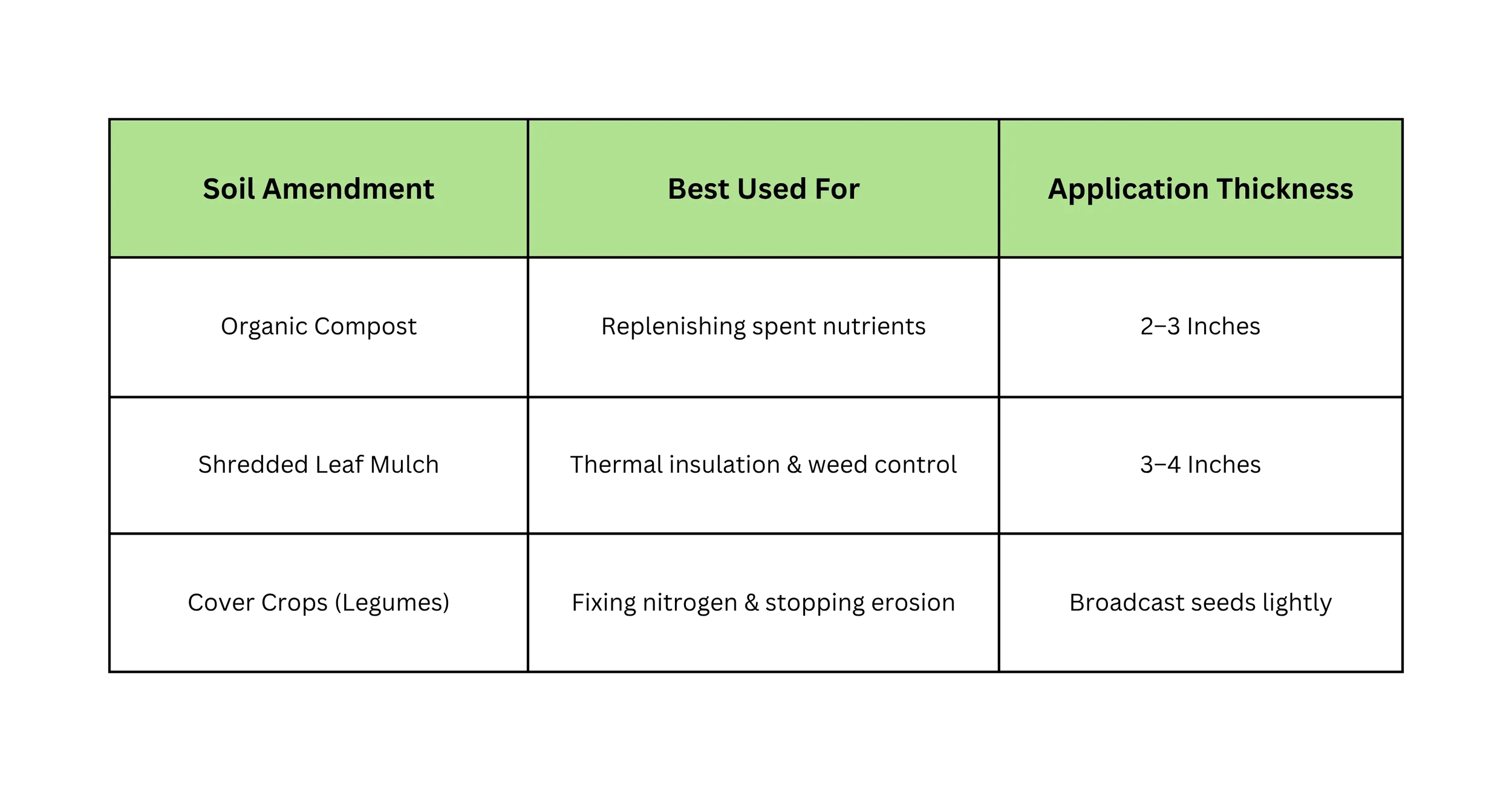
Winter is not a dead zone for soil—it is a restoration period. Giving your soil a nutritional boost right now allows natural moisture and microscopic organisms to break down nutrients gradually so they are ready for spring roots.
Add Finished Compost: Layering two to three inches of compost over top of your winter garden beds feeds the underground food web. Rain and melting snow carry essential minerals deep into the root zone.
Spread Organic Mulch: Straw, shredded leaves, or clean bark mulch insulate roots against freezing temperatures and stop soil erosion caused by heavy winter rains.
Plant Cover Crops: Planting quick-growing cover crops like crimson clover or winter rye keeps living roots in your winter garden beds. They fix essential nitrogen and prevent soil compaction.
3. Top Picks for Winter Garden Beds
Hearty crops that thrive in cold weather
You do not have to leave your winter garden beds completely empty. Plenty of delicious, high-yield vegetables thrive in cold conditions—and many actually taste sweeter after a light frost because cold temperatures trigger them to produce natural sugars.
If you want to keep harvesting fresh, organic produce throughout the chillier months, consider adding these frost-hardy favorites into your winter garden beds:
Garlic and Shallots: Plant individual garlic cloves in mid-to-late autumn. They sleep under a layer of mulch all winter and shoot up fast in early spring.
Leafy Winter Greens: Kale, spinach, and Swiss chard tolerate cold weather remarkably well. Cover them with a simple frost cloth during sub-freezing nights to extend your harvest for months.
Root Vegetables: Carrots, radishes, and turnip seeds sown in early winter produce incredibly sweet roots underneath insulating mulch layers.
4. Protect Your Winter Garden Beds
Simple covers to guard against hard frost
Extreme drops in temperature can freeze plant tissue and heave shallow root systems out of the ground. Protecting your winter garden beds does not require expensive equipment—simple, temporary shelters make a massive difference.
Floating Row Covers: Lightweight fabric lets sun and water in while trapping ground heat, keeping plants up to 5 degrees warmer.
Cold Frames or Mini Greenhouses: Repurposed window frames set atop simple wood boxes create warm microclimates for tender crops.
Raised Bed Protectors: Raised winter garden beds warm up faster than in-ground soil. Adding simple PVC hoop arches draped with clear plastic sheeting turns standard raised boxes into productive winter hotbeds.
Final Insights
Taking time to maintain your winter garden beds is one of the highest-return investments you can make for your outdoor space. Instead of facing compacted, weed-choked dirt come March, you will step out to rich, dark, nutrient-dense soil ready for immediate planting.
Whether you plant a full crop of winter garlic or simply lay down a protective blanket of leaf mulch, caring for your soil today guarantees a lush, vibrant garden tomorrow. Give your plot a little love this winter—your spring veggies will thank you!

Ready To Wake Up To A Beautiful Spring Garden?
Our winter bed preparation services clear, enrich, and protect your garden beds now, so your plants come back stronger, healthier, and ready to bloom when spring arrives.
You Might Want To Read

Tailgate at Home: Upgrade Your Yard with a Pizza Oven
Bring game day home with a backyard pizza oven. Cornerstone Lawn Services shares ideas to upgrade your outdoor space.
Benefits of Core Aeration & Overseeding
Take your lawn from good to great. Cornerstone Lawn Services reveals precision care behind a vibrant, resilient yard.

Why Professional Snow Removal is a Winter Lifesaver
Cornerstone Lawn Services offers 24/7 snow removal and de-icing to keep your home or business safe all winter long.
For additional questions or comments please feel free to call 304-707-0437 or email us at office@cornerstonelawnservices.com.
