
Winter-Proof Your Yard: Essential Fall Pruning
As autumn crispness fills the air and brilliant leaves carpet your lawn, it is easy to think your outdoor chores are winding down for the season. You have likely raked the bulk of the leaves and cleaned off the outdoor patio furniture. However, there is one critical step many homeowners overlook before the first deep freeze: prepping plants for harsh weather.
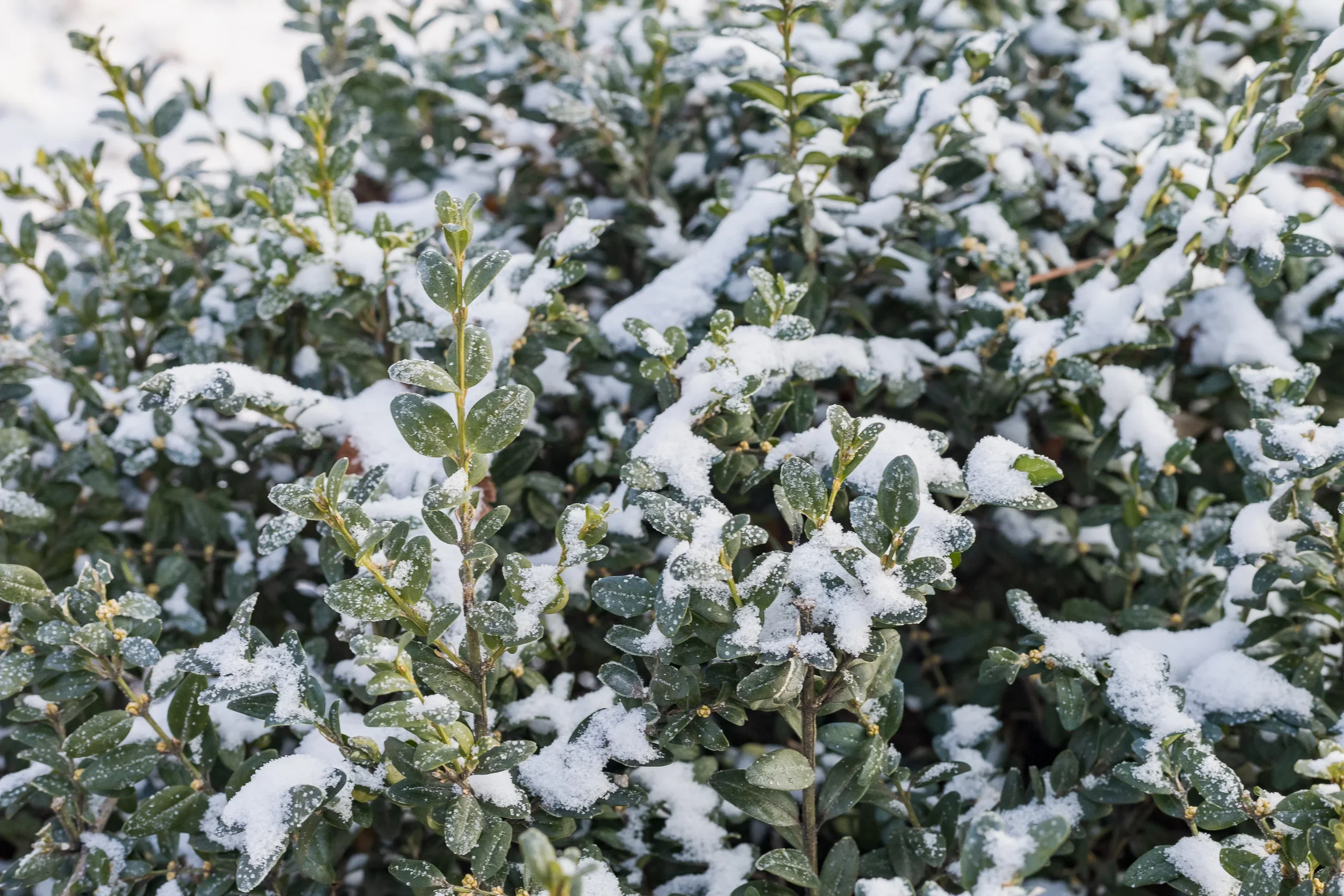
Executing strategic winter pruning before heavy snow hits can mean the difference between a thriving spring garden and a yard full of splintered, damaged limbs.
The Hidden Danger of Heavy Snow and Ice
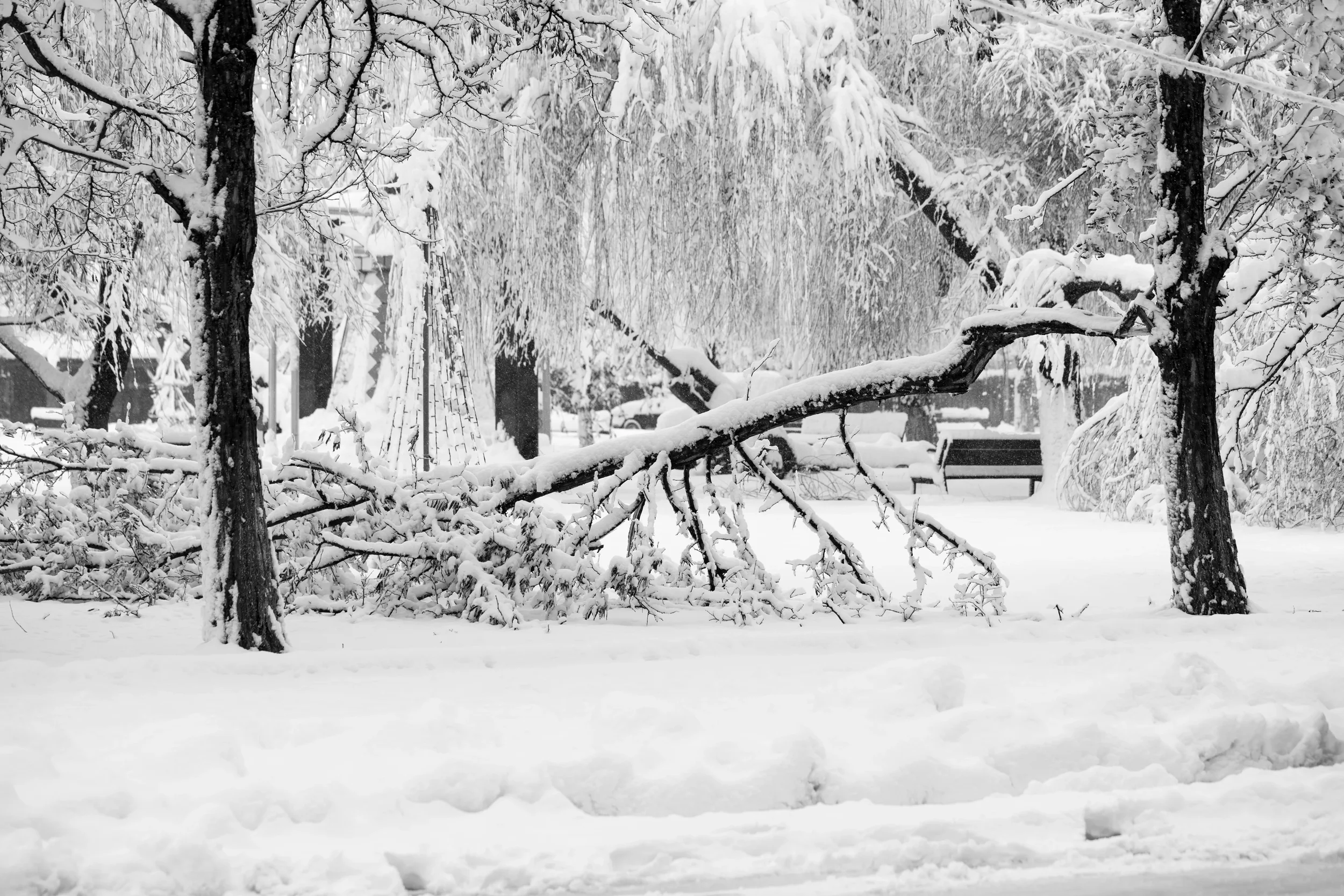
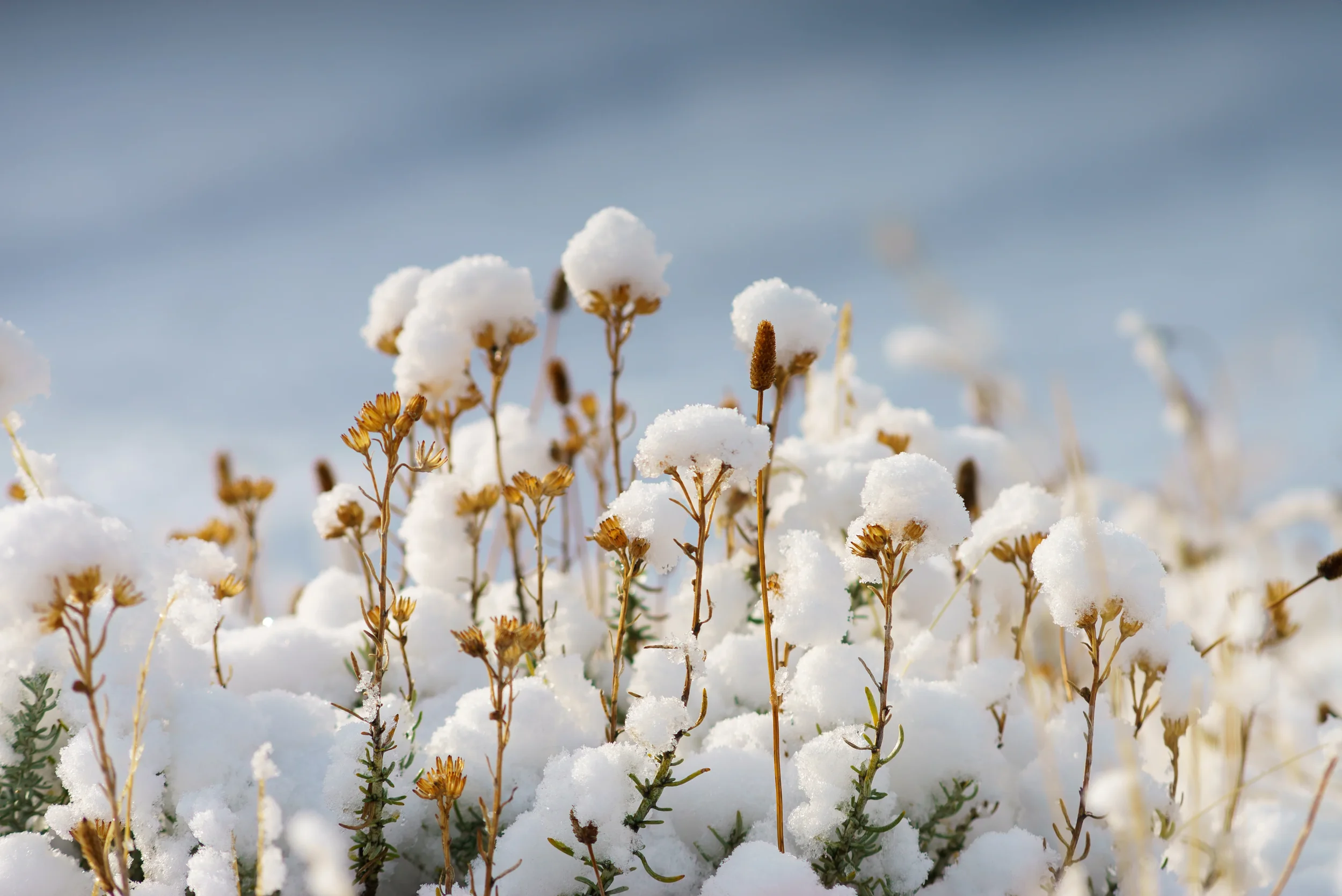
Have you ever looked out your window during a winter blizzard and noticed your favorite ornamental trees bending almost completely in half? Freshly fallen snow looks soft and serene, but it accumulates rapidly. When heavy snow and thick ice stick to overgrown branches, they act like weighted anchors.
Weak, long, or tangled limbs frequently snap under this immense stress. When a main branch tears away from a shrub, it leaves behind a wide, jagged wound. This kind of structural damage not only ruins the natural balance of your plant, but it also creates an easy entryway for pests and wood-rotting diseases when temperatures warm back up. Proper winter pruning removes those top-heavy, vulnerable shoots, reducing overall surface area so snow can slide off harmlessly instead of piling up.
Protect Your Investment with Strategic Cuts
Your yard is an extension of your home, and healthy shrubs and hedges require time and care to establish. Allowing winter storms to break apart mature plants can set your landscape back by years. That is where targeted autumn maintenance comes into play.
Prevent Storm Damage Before It Happens
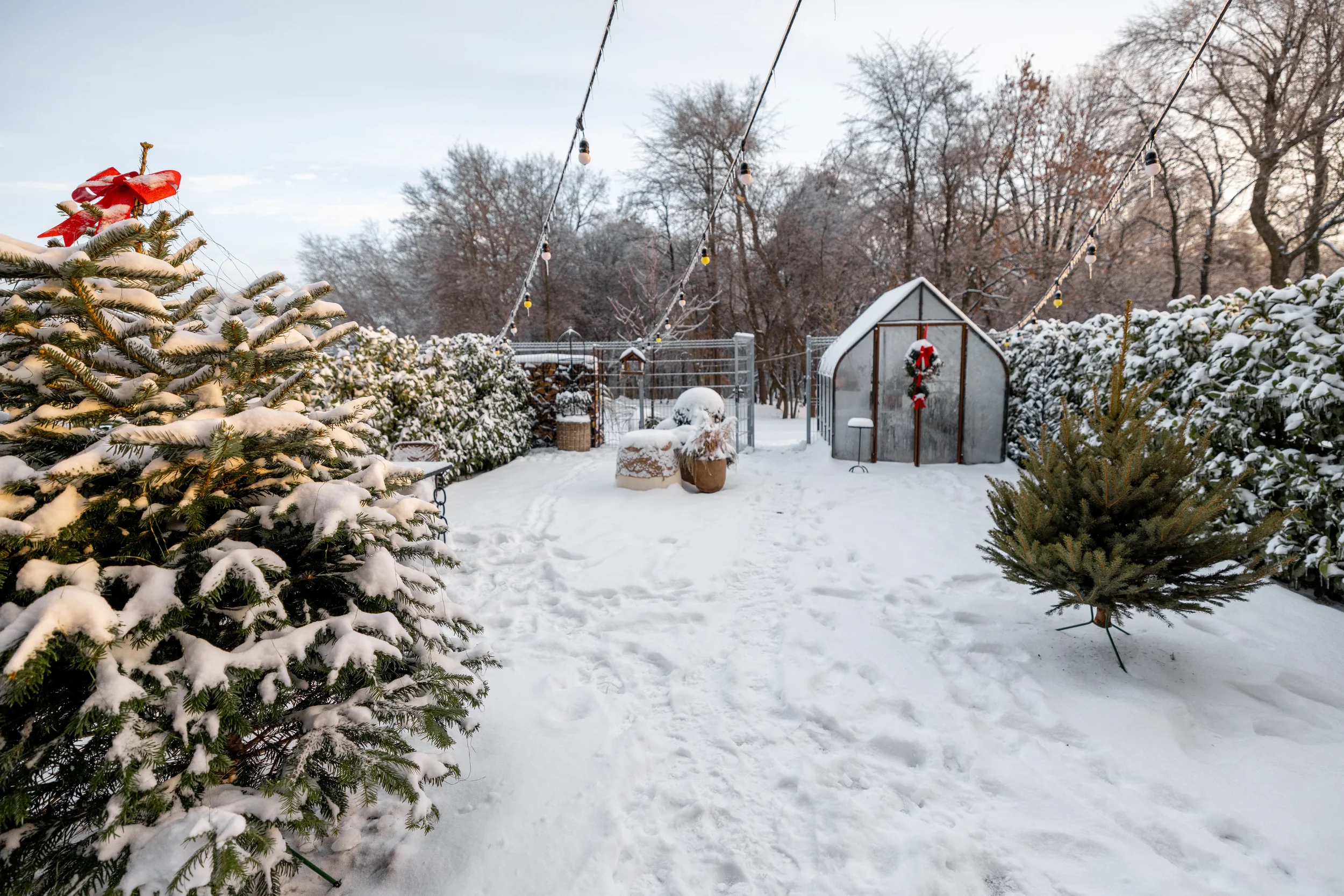
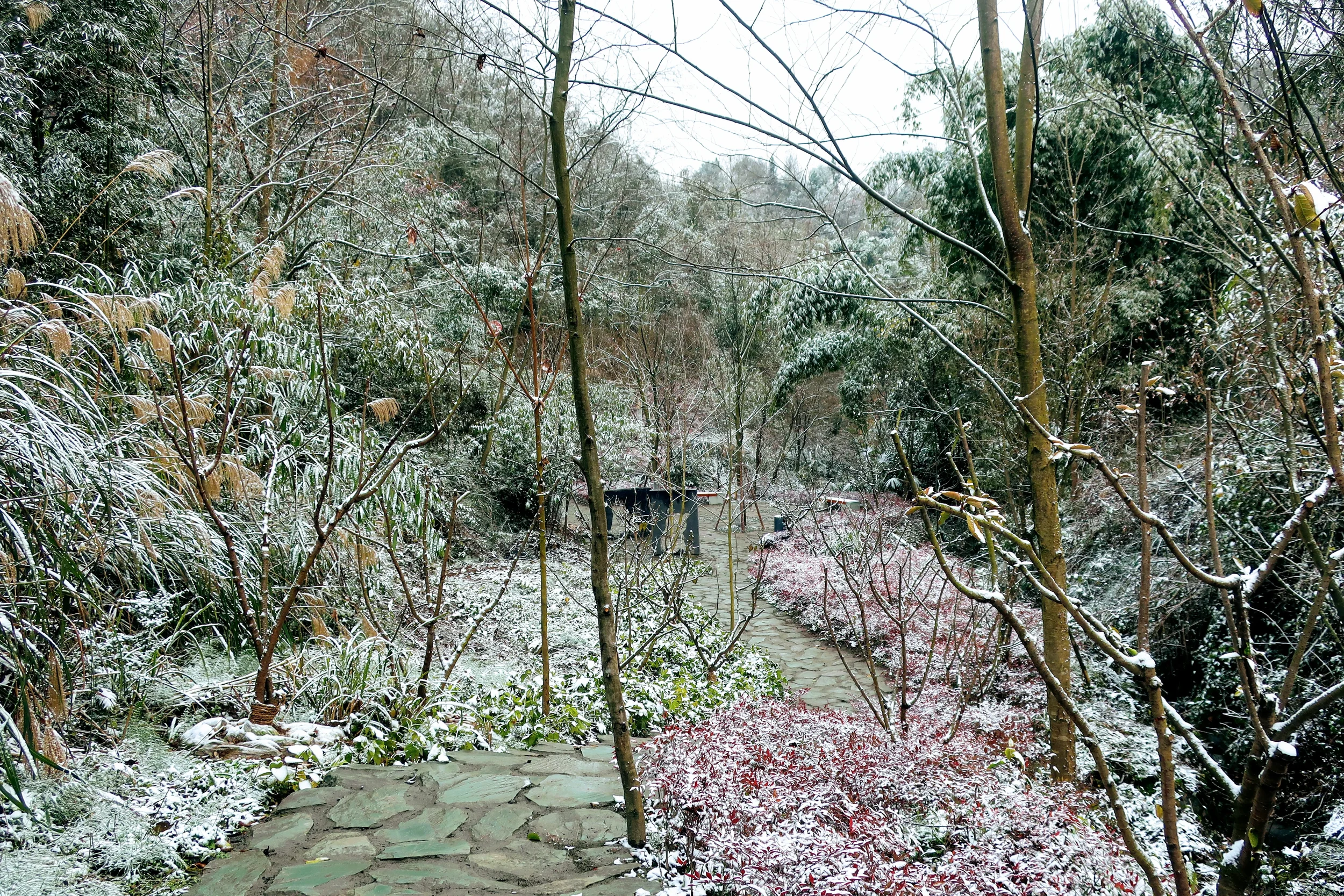
The primary goal during late-fall landscape care is structural safety. By identifying and removing weak, dead, or crisscrossing branches now, you eliminate the highest-risk breakage points. Trimming hedges back into a clean, tapered shape—where the top is slightly narrower than the base—prevents snow loads from building up on top and causing the center of the hedge to split wide open.
Preserve Beautiful Natural Shapes
Without clean maintenance, shrubs tend to grow wild, uneven, and leggy over the summer months. Strategic winter pruning restores crisp structural integrity. Trimming back erratic shoots allows your ornamental trees and bushes to keep their pleasing, fuller contours throughout the bare winter months, giving your property clean curb appeal even when the garden is dormant.
Set the Stage for Explosive Spring Growth
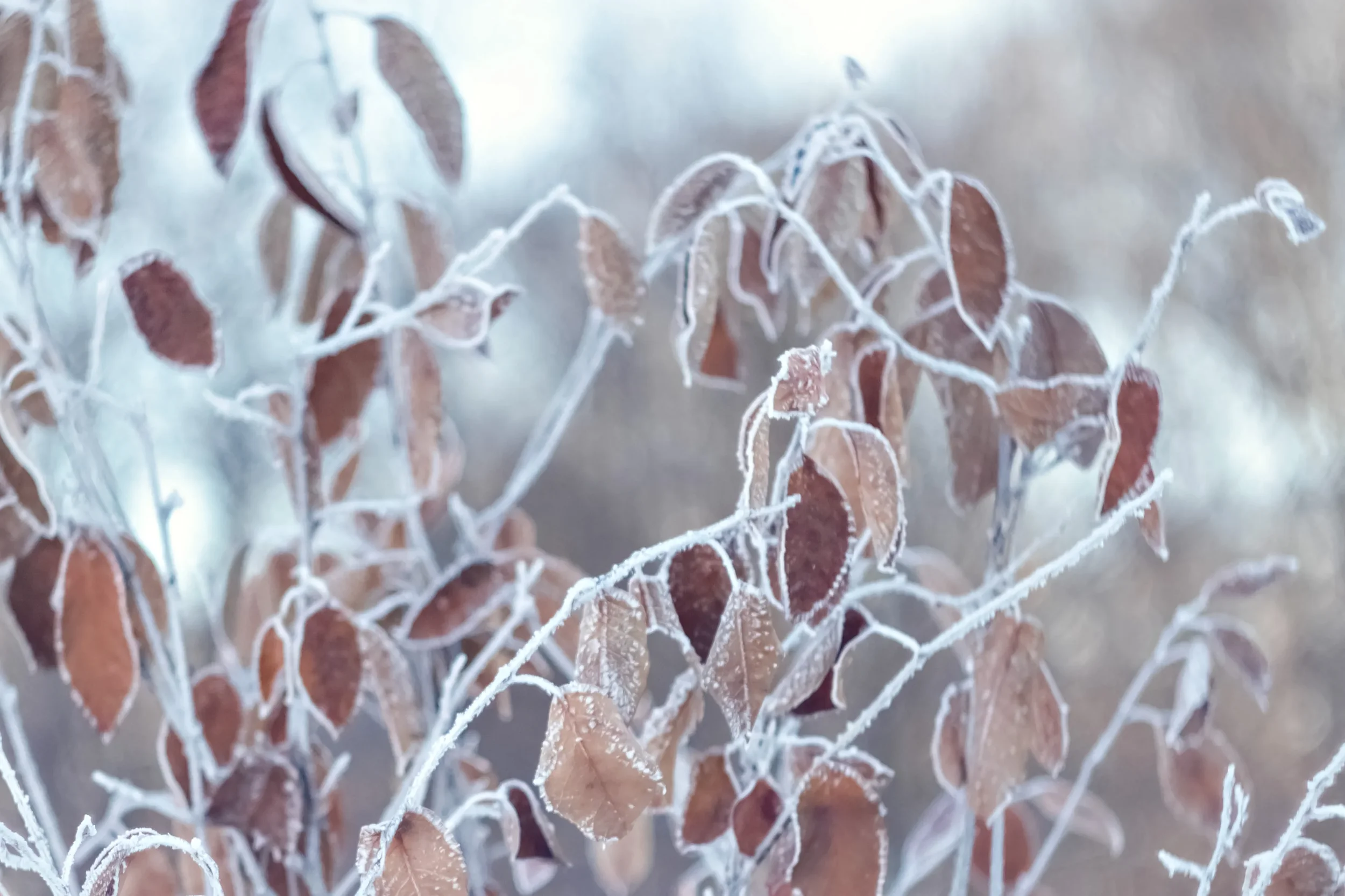
It might seem counterintuitive to cut plants back right before they go to sleep for the winter, but proper trimming actually conserves a plant's vital energy reserves.
When a plant enters dormancy, its root system stores energy to prepare for the upcoming growing season. If a shrub is forced to maintain weak, diseased, or overgrown stems all winter long, that stored energy gets wasted. Performing careful winter pruning streamlines the plant’s energy allocation. When spring arrives, all that root power is channeled straight into fresh, vibrant leaves and abundant blooms rather than trying to repair damaged, straggly growth.
Smart Pruning Tips for Homeowners
Not all plants should be cut back at the exact same time. Following a few simple guidelines will ensure your landscape stays healthy throughout the cold season:
Focus on the Three Ds: Always target branches that are Dead, Damaged, or Diseased. Removing these immediately benefits plants regardless of species.
Timing Matters: Perform your late-season cuts after plants have fully entered dormancy (usually after the first hard frost) to avoid accidentally stimulating delicate new growth that would freeze overnight.
Know What to Hold Off On: Avoid heavy trimming on spring-blooming shrubs (like lilacs, azaleas, and forsythia) during late autumn. These species set their flower buds during late summer, so autumn cuts will snip away next spring's colorful flower display. Save structural shaping for non-blooming hedges, late-summer bloomers, and evergreen shrubs.
Use Clean, Sharp Tools: Dull blades crush stems instead of making crisp cuts, leaving open wounds that take longer to heal. Always disinfect your shears between plants to prevent spreading bacteria.
If you are unsure which ornamental trees or hedges need attention—or if you simply want to avoid spending cold afternoons out in the yard with manual shears—bringing in professional landscape maintenance experts ensures every single cut is made with precision and care.
Final Insights
A breathtaking spring landscape is always built during the fall. Taking proactive steps today to perform strategic winter pruning gives your hedges, shrubs, and ornamental trees the best possible shield against freezing temperatures, howling winds, and heavy snow loads.
Instead of dealing with broken limbs and misshapen bushes come March, a little autumn foresight ensures your yard emerges from its winter slumber healthy, sturdy, and ready for explosive new growth. Protect your landscape investment now, and enjoy peace of mind all winter long.
Want Your Yard To Come Back Stronger After Winter?
We prune away weak, dead, and overgrown branches before the cold sets in, so your trees and shrubs stay safe and healthy and are ready to thrive come spring.
You Might Also Want to Read
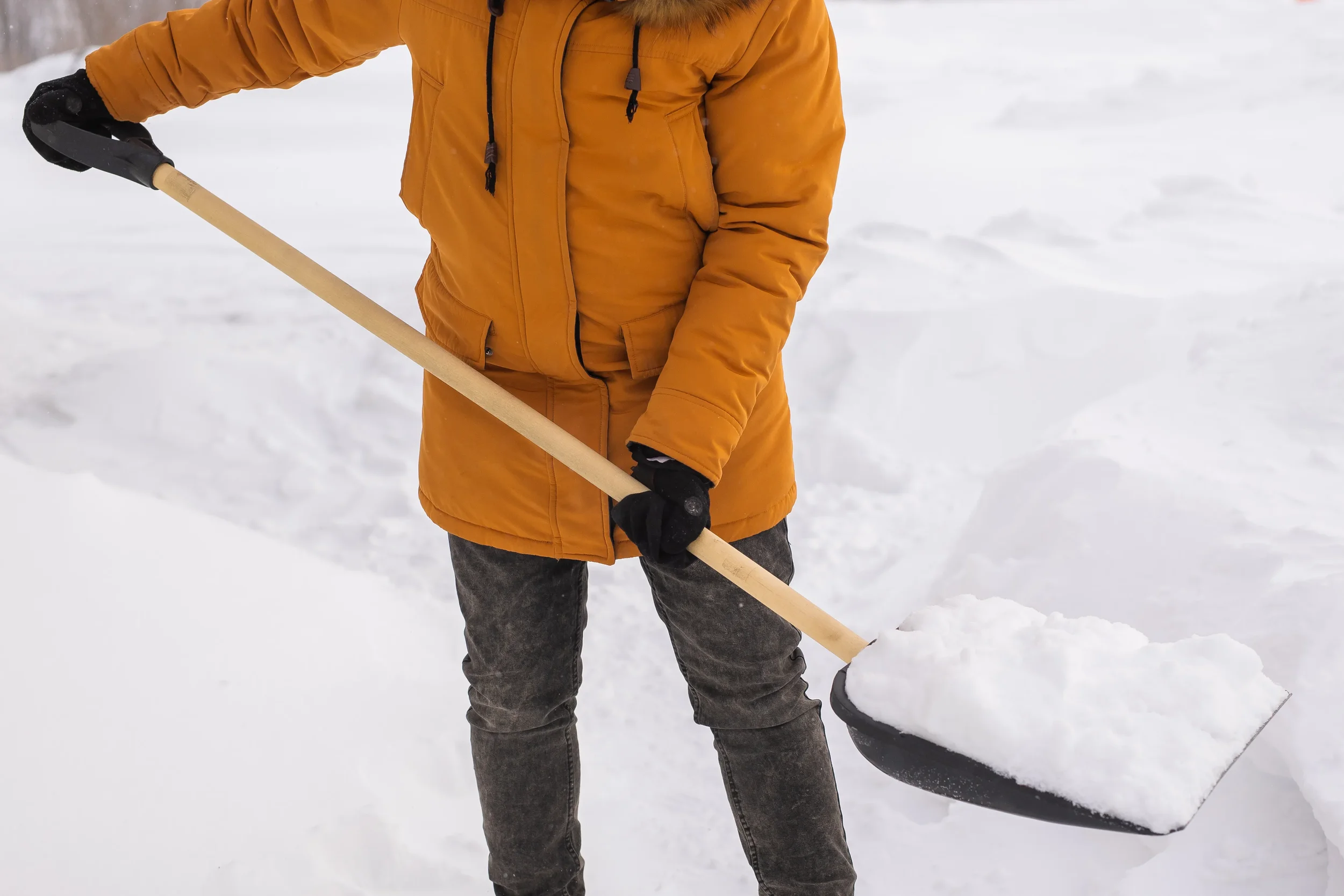
Snow & Ice Management - FAQs
Questions about snow and ice management? Cornerstone Lawn Services covers 24/7 monitoring, dispatch, and de-icing.
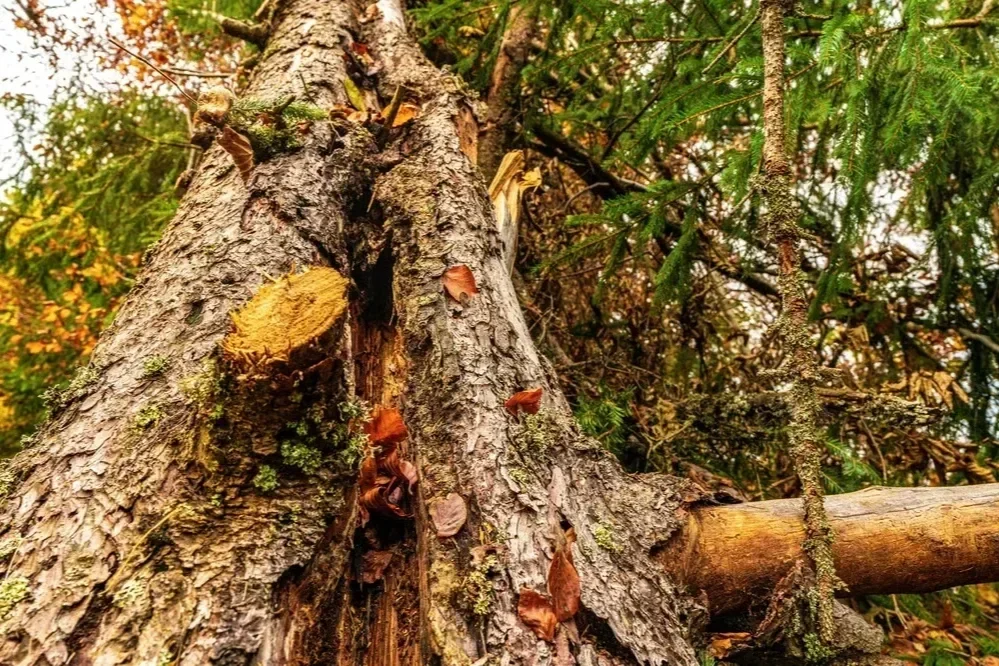
The Hidden Dangers of Dead Trees
Learn when a dead tree becomes a threat and how removing it keeps your home and family safe through every storm.

Fake Grass, Real Choices: The Homeowner's Guide to Artificial Turf Pros and Cons
Picture a lush, green lawn with no dog spots, crabgrass, or mud. Here’s how to make it a reality.
For additional questions or comments please feel free to call 304-707-0437 or email us at office@cornerstonelawnservices.com.
