
Why Fall Aeration and Overseeding Is Pure Lawn Magic
Is Your Yard Looking Tired After a Scorching Summer?

As summer fades and a cooler breeze starts to settle in, take a quick walk across your front lawn. What do you see? If your turf is looking a bit worn down, patchy, or downright exhausted, you are definitely not alone. Between intense summer heat, foot traffic from backyard barbecues, kids running through sprinklers, and heavy lawnmowers rolling over the grass week after week, your soil takes a severe beating all summer long. By the time autumn rolls around, your grass is practically begging for a reset. Many homeowners assume that spring is the ultimate season for lawn rehabilitation, but experienced turf professionals know a secret: autumn is actually the golden window. Performing Aeration and overseeding during this specific seasonal transition provides the ultimate recovery boost your lawn needs to thrive.
Why Autumn Soil Creates the Perfect Growing Environment
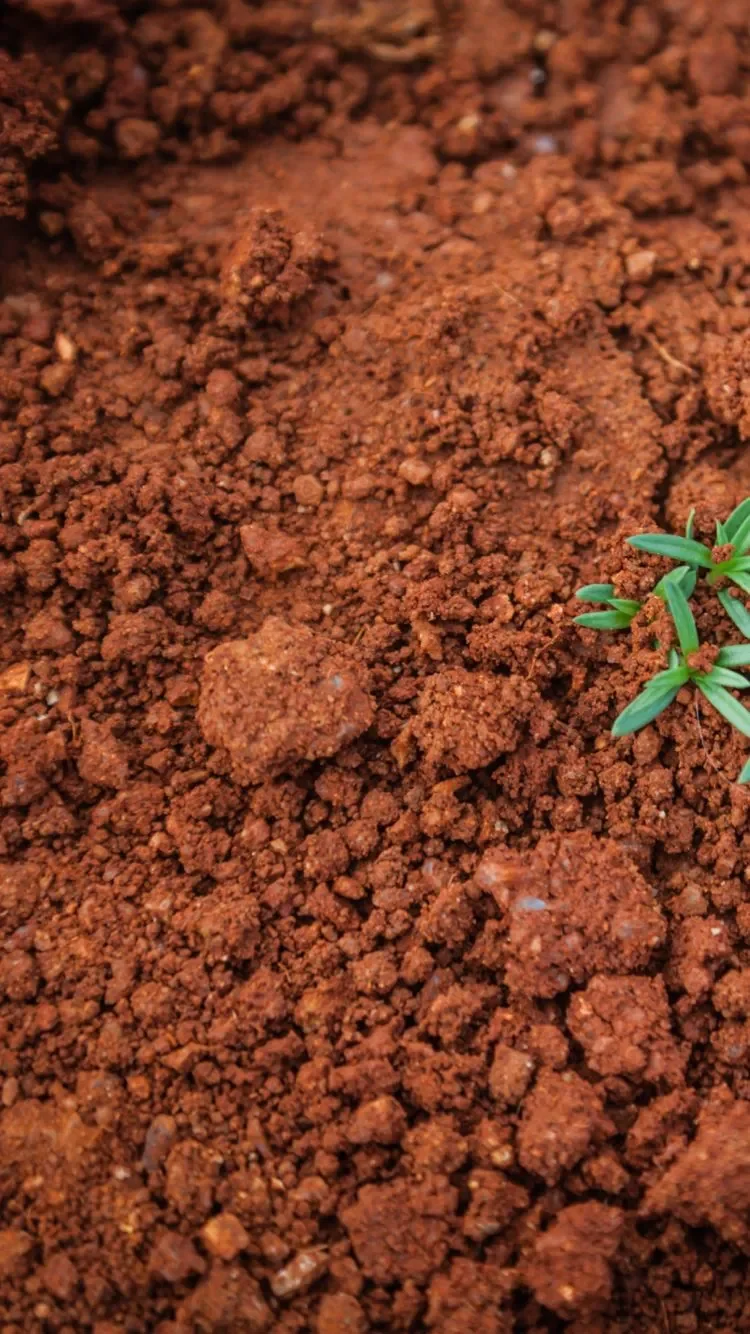
Why is fall considered the absolute champion season for turf repair? It all comes down to the unique climate balance that autumn brings. During late summer and early fall, the ground remains warm from months of sun, creating ideal conditions for rapid root growth and seed germination. At the same time, the air temperature drops to a comfortable range, which reduces environmental stress on young green shoots.
On top of that, autumn usually brings predictable rainfall and fewer aggressive weed seeds competing for nutrients compared to spring. When you schedule aeration and overseeding during these optimal fall weeks, you take full advantage of warm soil and cool air. This allows new grass seeds to establish deep, resilient roots before winter frost arrives without fighting against summer heat or spring weeds.
How Core Extraction Lets Your Root Zone Breathe Again
To understand why this process works so well, let us look at what happens beneath the surface. Over time, heavy summer activity packs your soil down tight, a condition known as soil compaction. Compacted dirt acts like hard concrete, blocking air, water, and vital nutrients from reaching the root system. Furthermore, a dense layer of dead organic matter, called thatch, builds up on top, effectively suffocating your turf.

Core aeration solves this problem by pulling small soil plugs out of the ground, leaving clean holes spaced evenly across your yard. These open channels immediately relieve compaction, allowing fresh oxygen, moisture, and fertilizer to sink deep into the dirt. Initiating aeration and overseeding with core aeration gives your root system the breathing room it desperately craves after a long summer.
Restoring Turf Density with Fresh Grass Seed Varieties
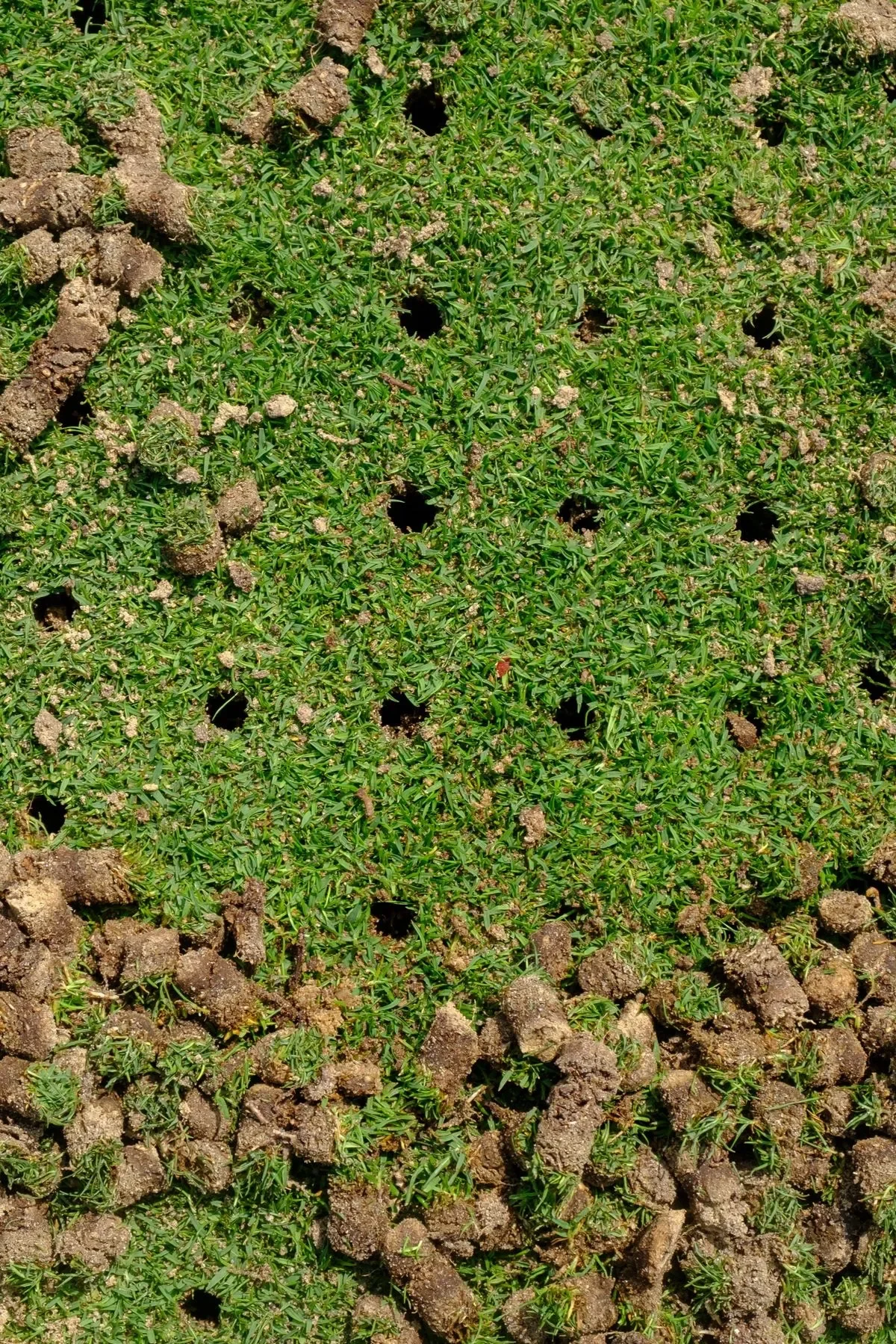
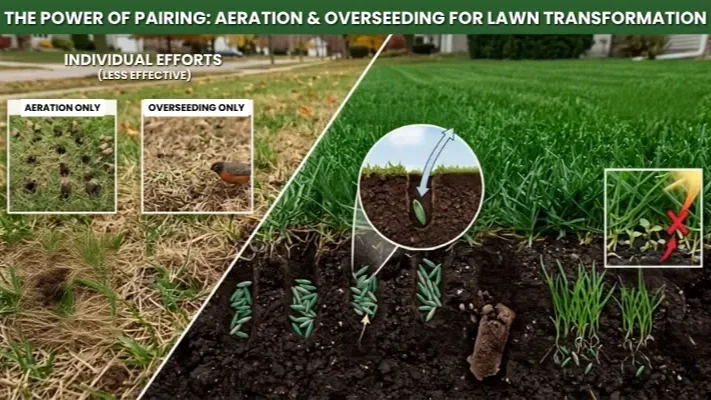
Once your soil is open and ready to absorb nutrients, the next critical step is overseeding. Over time, older grass naturally loses its vigor, thins out, and becomes vulnerable to diseases or pests. Overseeding simply means spreading fresh, resilient grass seed directly over your existing lawn without tearing up the ground. By introducing modern, disease-resistant turf blends, you refresh the genetic makeup of your yard and fill in bare, unsightly patches. When combined with core aeration, the newly dropped seeds drop directly into the hollow soil holes, gaining maximum seed-to-soil contact. Choosing aeration and overseeding in the fall gives these fresh grass varieties protected pockets where they can safely sprout and establish themselves ahead of the coming winter.
The Power Combo That Protects Seedlings All Season
Preparing Your Yard for a Strong and Vibrant Spring
Think of fall lawn maintenance as an investment in your home's future curb appeal. What you do in the autumn directly determines how green and healthy your lawn will look when warm weather returns.
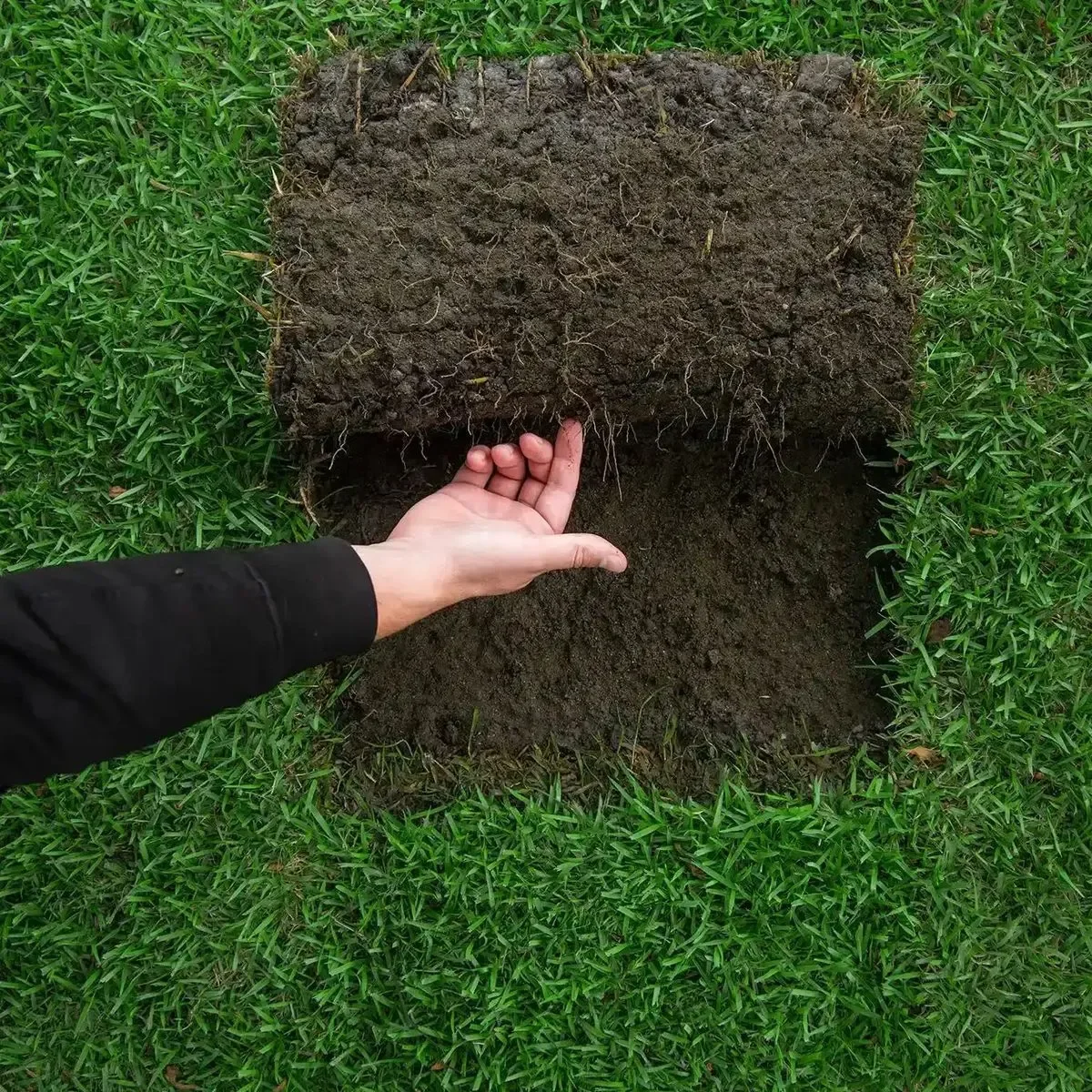
During fall, cool-season grasses redirect their energy away from blade growth and focus entirely on building deep, robust root systems. When you invest in aeration and overseeding before the winter freeze, your new grass builds an expansive root network underground while top growth slows down. When spring arrives and temperatures warm up, your lawn wakes up early, greening up faster and showing vibrant thickness while your neighbors are still waiting for their patchy yards to recover.
Ready to fix thin patches and build stronger roots before winter hits?
Discover how mechanical aeration and seed integration work together in our latest post, Why Fall Aeration and Overseeding Is Pure Lawn Magic—and give your grass the ultimate seasonal reset.
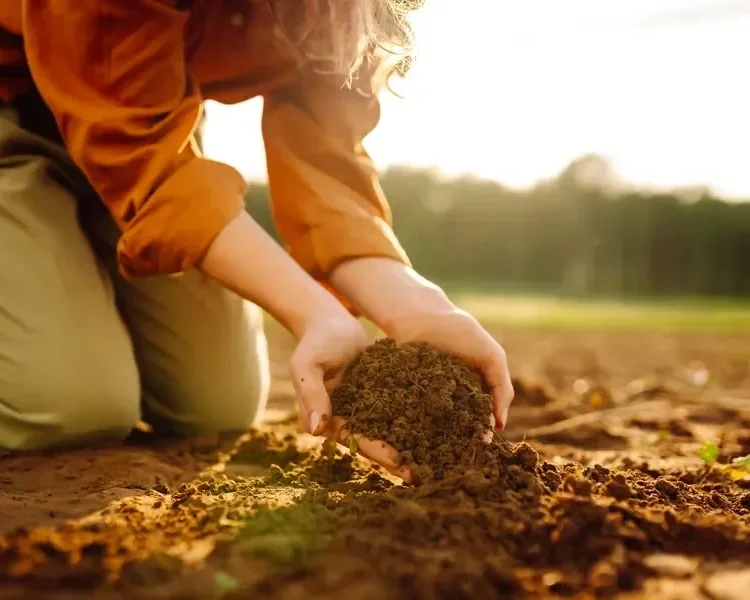
The Fall Soil Reset
As September rolls in, the crisp breeze and vibrant leaves signal a natural shift in the garden.
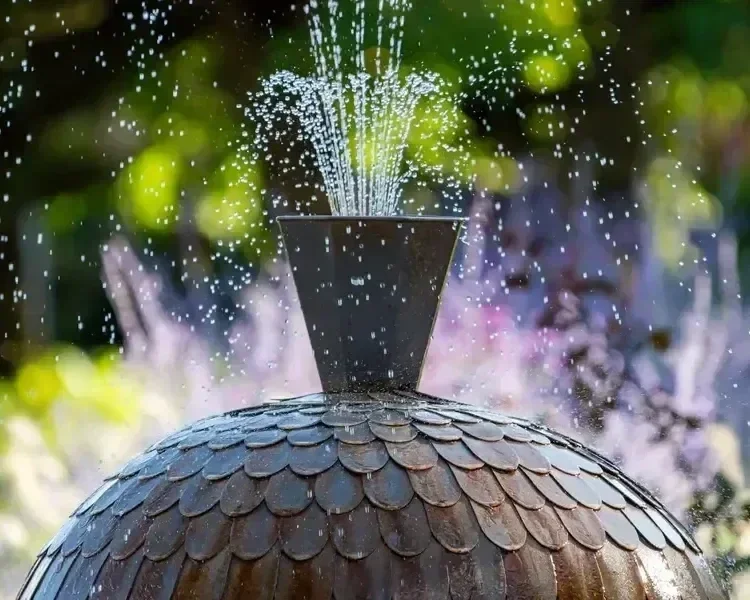
Ponds, Fountains, and Everything In Between
High end hotels, upscale restaurants, and million dollar homes all share one thing in common. Water features. The sound of moving water changes the way a space feels.

Fire Pit or Fireplace?
Fire features are the number one backyard upgrade that gets people spending more time outside.
