
Fall & Winter Lawn Care: Keep Your Yard Alive!
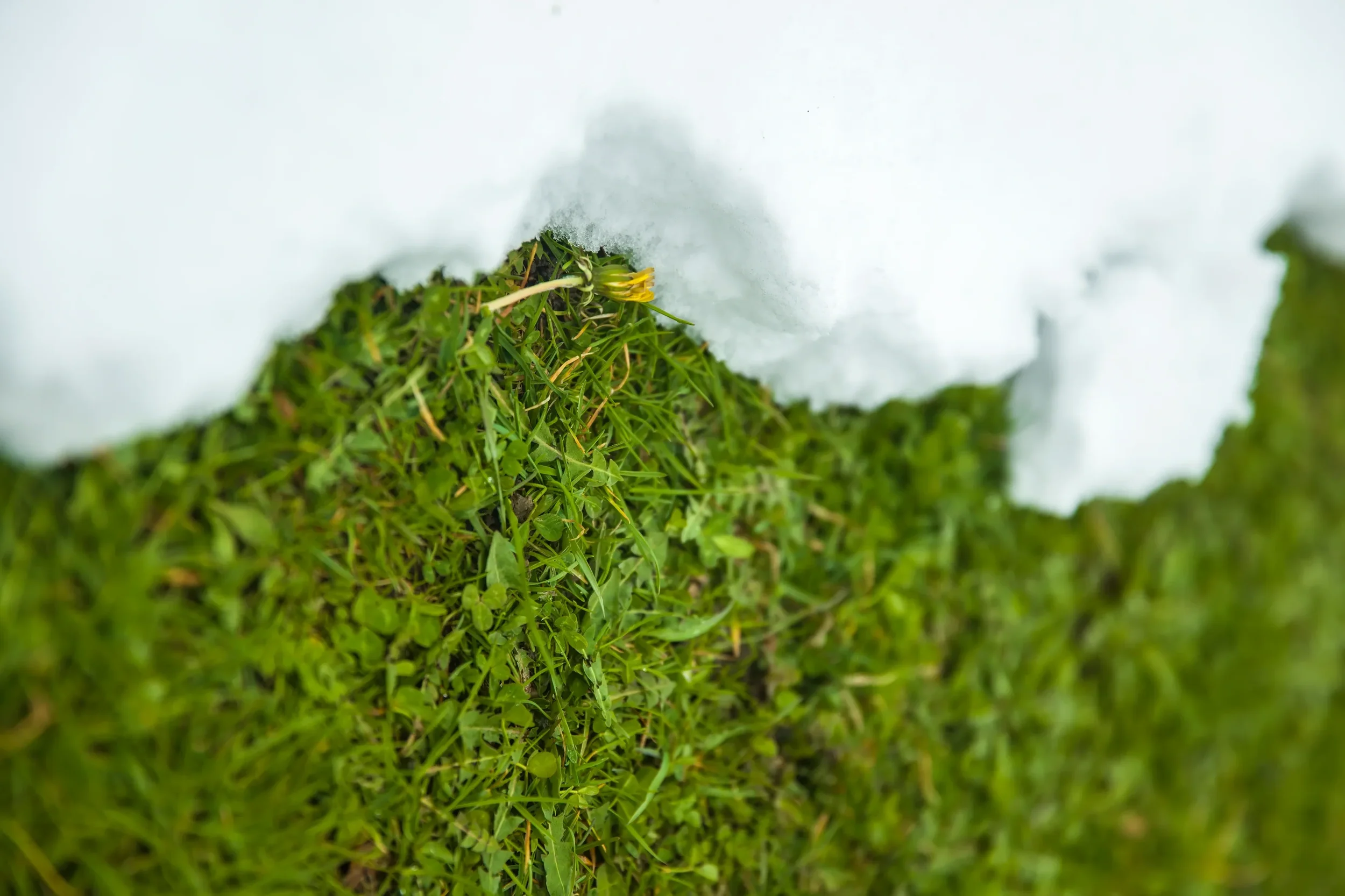
Ever look out at your yard in late autumn and wonder if it's quietly plotting its own demise? Grass doesn't just go to sleep when it gets cold; behind the scenes, it undergoes critical physiological preparation for winter. What you do now determines whether spring brings a thick, green lawn or a patchy, weed-infested one. Following a structured fall lawn care routine with these six essential tasks will make all the difference.
First, Know Your Grass Type
These fall lawn maintenance tips are tailored primarily for cool-season grasses (such as Kentucky bluegrass, tall fescue, and perennial ryegrass), which experience a strong surge of root growth during cool autumn weather. If you have warm-season grass (like Bermuda, Zoysia, St. Augustine, or Centipede), your lawn is entering winter dormancy now. For warm-season turf, save core aeration, overseeding, and heavy nitrogen lawn fertilizer application for late spring; however, leaf clearing, adjusting mowing height, winter watering, and protecting frozen turf still apply.
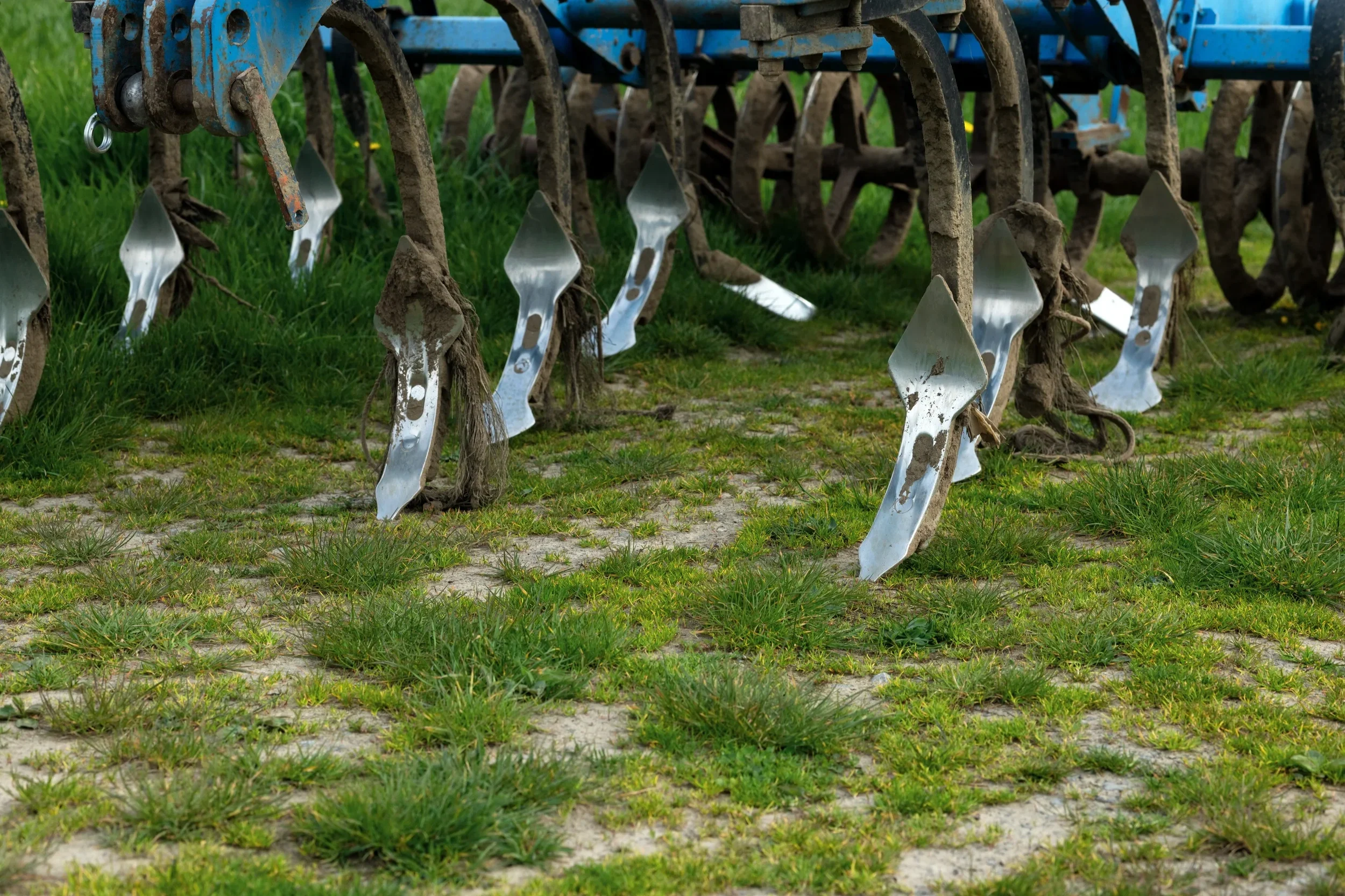
1. Let Your Lawn Breathe: Core Aeration and Overseeding
Summer foot traffic, lawnmowers, and heat pack the soil tight, creating soil compaction that cuts roots off from essential oxygen, water, and nutrients. Core aeration removes small plugs of soil from the lawn, breaking up compaction and dethatching the root zone.
Lawn overseeding immediately after aerating takes advantage of those open holes. Seed-to-soil contact is critical for high germination rates. Spread a quality grass seed blend that matches your turf type to fill in bare spots. Plan to aerate and overseed at least six weeks before your area's average first hard frost so new grass seedlings can establish strong roots before winter.
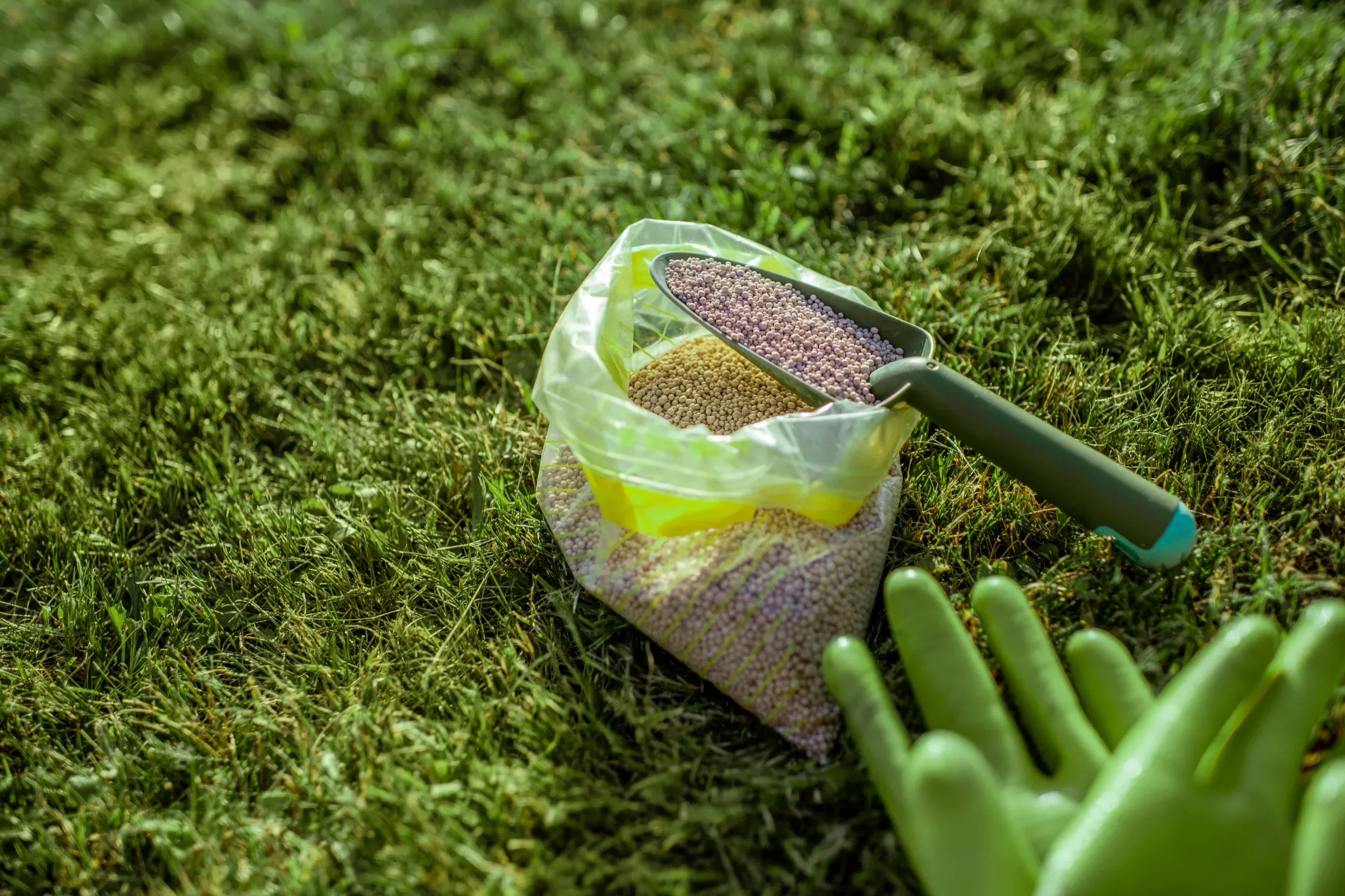
2. Feed Your Grass Before Winter: Winterizer Fertilizer
If you only apply lawn fertilizer once a year, make it early fall. While leaf blade growth slows down in cool weather, the underground root system stays active and aggressively absorbs nutrients to build winter hardiness.
Apply a slow-release, nitrogen-rich winterizer fertilizer while the grass is still green and actively photosynthesizing, typically 2 to 3 weeks before the ground freezes. Nitrogen rebuilds root energy reserves so your grass greens up earlier in the spring. Conducting a quick soil test will tell you if your lawn needs added potassium to improve cold-stress tolerance and root strength.
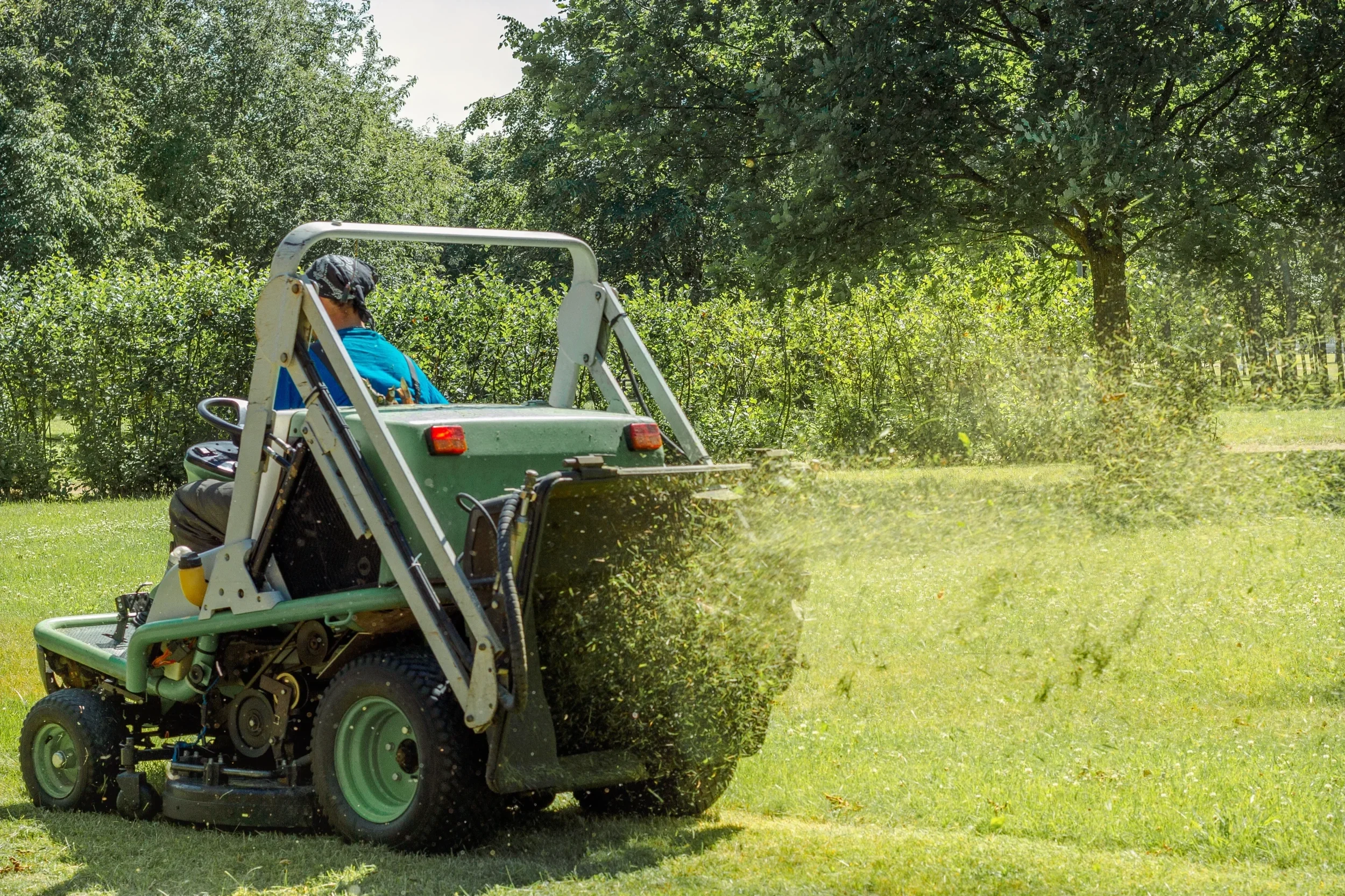
3. Don't Let Leaves Smother Your Lawn: Mulching Leaves
A thick blanket of fallen leaves blocks sunlight, cuts off air circulation, and traps moisture on the soil surface. This creates the ideal environment for lawn diseases like snow mold, dollar spot, and crown rot while suffocating the turf underneath.
Instead of spending hours raking leaves, use a mulching mower on dry leaves. Lawn leaf mulching shreds leaves into fine bits that sink into the turf canopy, rapidly decomposing to add valuable organic matter back to the soil. If leaf buildup covers more than 50% of the grass, rake or bag the excess for your compost pile.
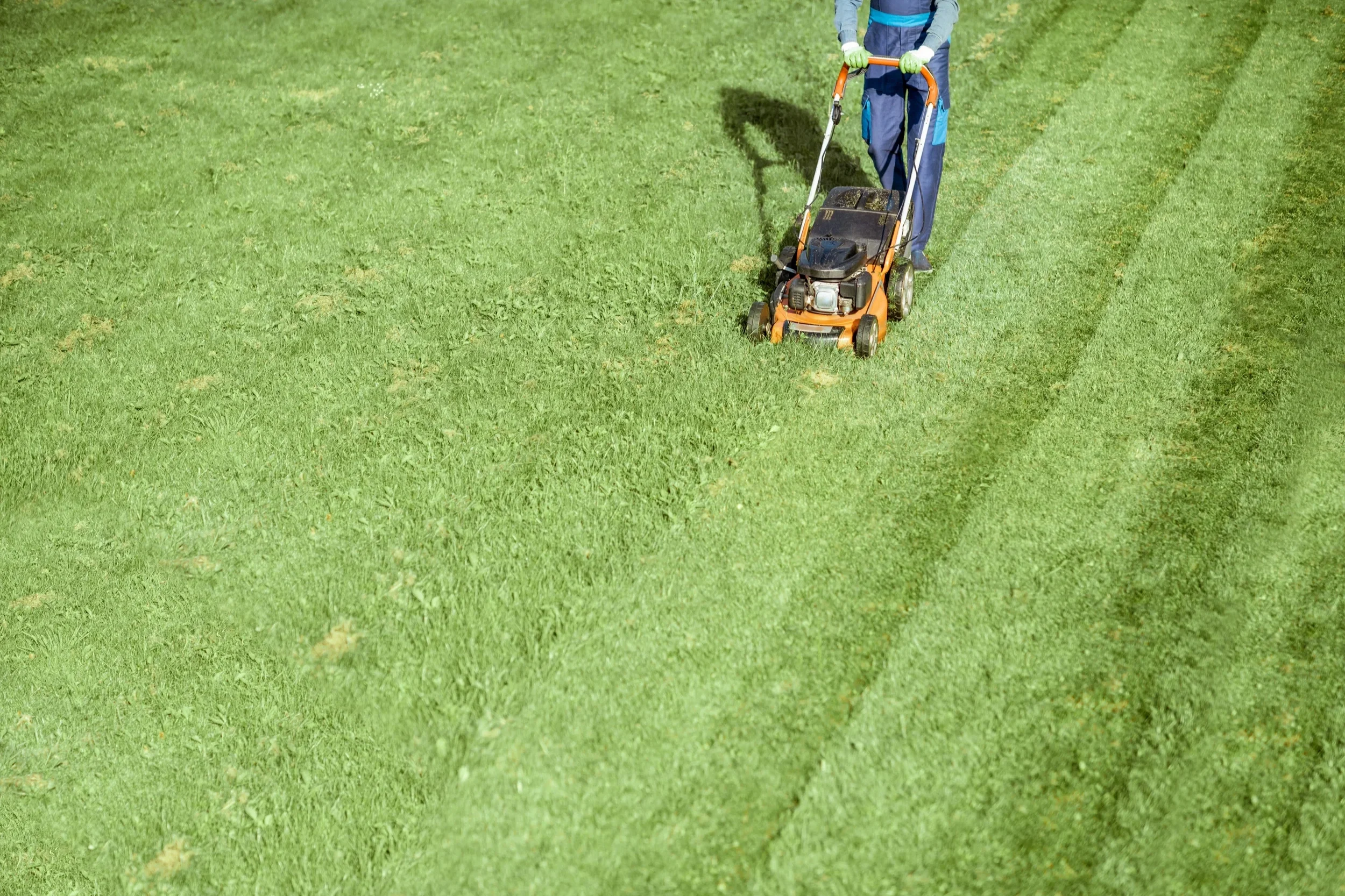
4. Lower Your Mower for the Final Cut of the Season
As grass growth slows down in autumn, adjust your lawn mowing height. For your last two cuts of the season, gradually lower your mower blade until the grass sits at a height of about 2 to 2.5 inches (down from its summer height of 3 to 4 inches).
Getting the final mow height right prevents dual issues: long grass flops over under snow cover, creating matted conditions that foster pink and gray snow mold. On the other hand, cutting it shorter than 2 inches scalps the lawn, leaving the crown exposed to frost injury and cold winter winds.
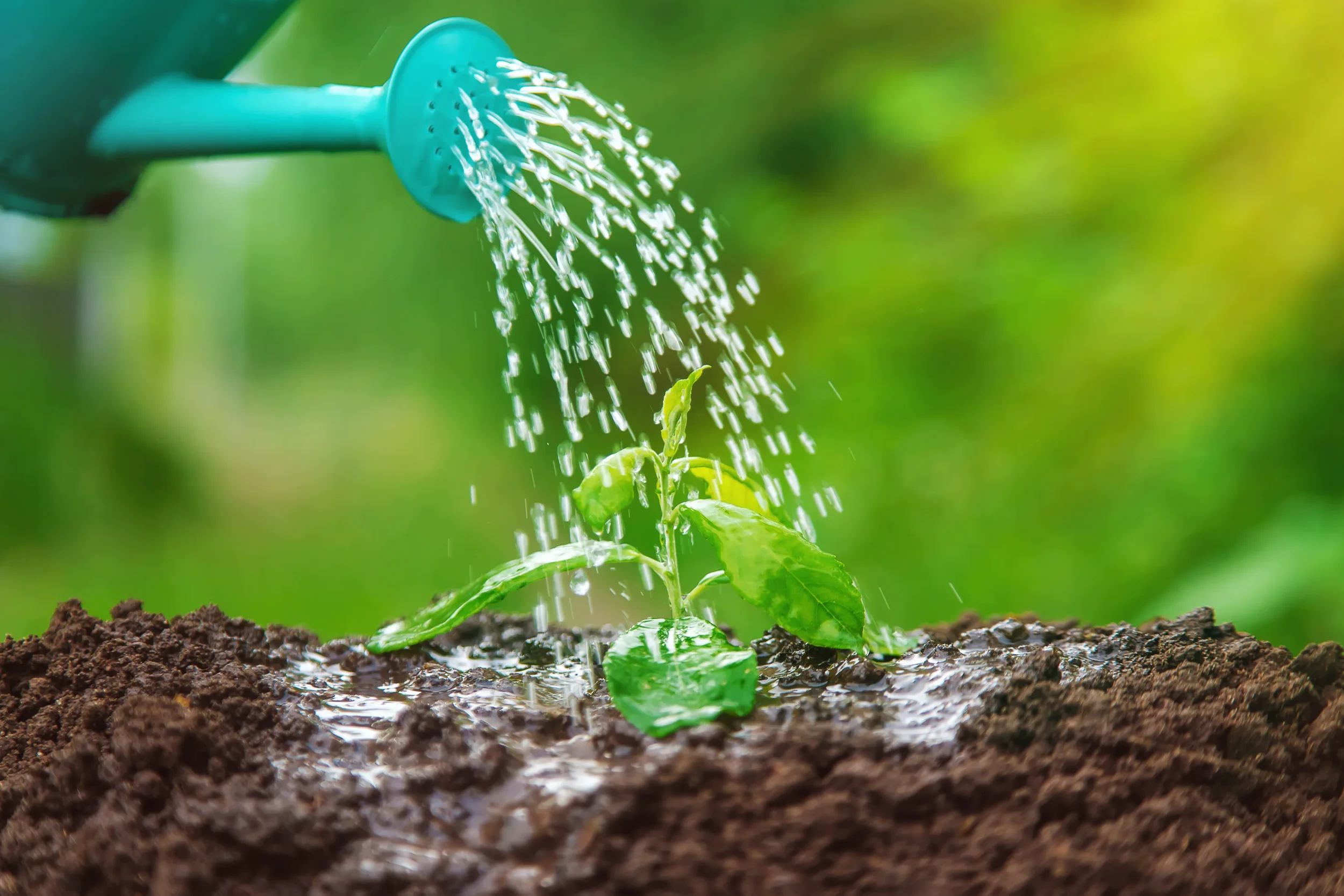
5. Water Smart as It Gets Colder: Winter Lawn Watering
Proper fall lawn watering before the ground freezes is essential. Moist soil retains significantly more heat than dry soil, protecting vulnerable grass roots from cold snaps and frost heaving. If autumn brings dry weather, give your yard a deep watering until winter weather sets in.
Before the first freeze, remember to winterize your sprinkler system or irrigation lines with compressed air and disconnect hoses from outdoor spigots. In regions with dry, snowless winters, water your lawn manually on mild days (above 40°F) when the ground isn't frozen to prevent root desiccation.
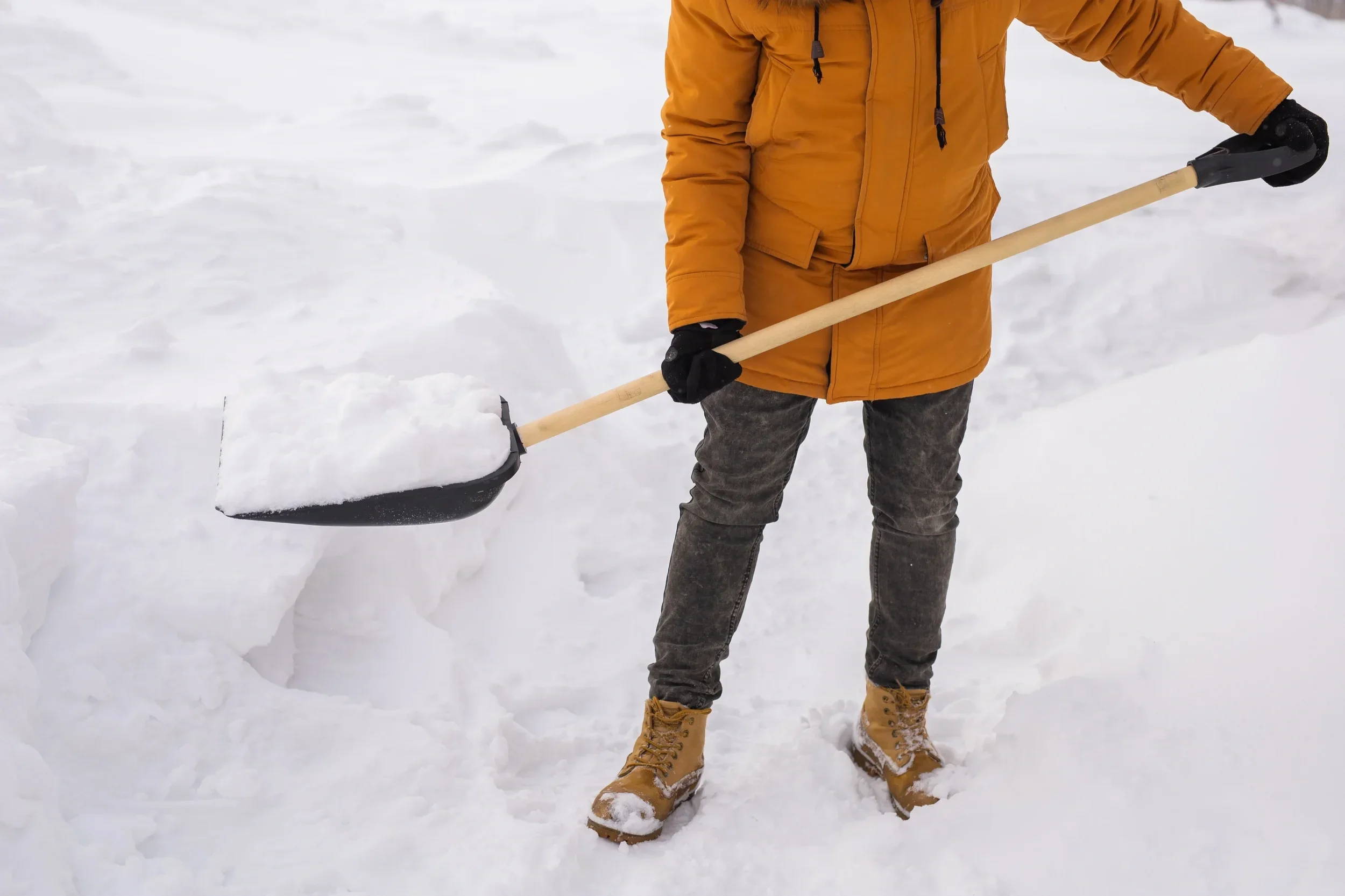
6. Protect Frozen Grass from Foot Traffic and De-Icers
When grass blades freeze, internal water turns to ice, making the plant tissue brittle. Walking, driving, or running equipment across frozen grass or frost-covered turf ruptures cell walls, leaving dead brown footprints and tire tracks that won't disappear until spring growth begins.
Chemical ice melters can also cause severe winter lawn damage. Standard rock salt (sodium chloride) draws moisture out of the soil and burns roots along walkways. Switch to lawn-safe de-icers like calcium magnesium acetate (CMA) or calcium chloride, and shovel snow promptly to reduce the need for chemical applications.
Your Spring Lawn Starts Now
A healthy spring lawn isn't made in April—it's built through proactive autumn yard maintenance. Taking the time to aerate, feed, clear leaves, adjust mowing height, and protect frozen turf pays massive dividends, delivering a thick, vibrant yard that naturally crowds out spring weeds.

Are You Worried About A Patchy, Dying Lawn Come Spring?
Our expert Cornerstone team is here to help you protect your turf before the winter freeze sets in.
You Might Also Want to Read

Why Professional Snow Removal is a Winter Lifesaver
Stop stressing over icy walks and buried driveways. Cornerstone Lawn Services offers 24/7 snow removal and de-icing to keep your property safe and clear all winter.
The Low-Water Landscape
Say goodbye to dry soil and drooping flowers. Native plants thrive on natural rainfall, keeping your garden vibrant without constant watering or high water bills.
When is the right time to fertilize my lawn?
Timing is everything for a healthy yard. Learn the best time to apply nutrients so your lawn stays strong and lush through every season.
For additional questions or comments please feel free to call 304-707-0437 or email us at office@cornerstonelawnservices.com
