
Battle of the Blooms: Native Plants vs. Exotics
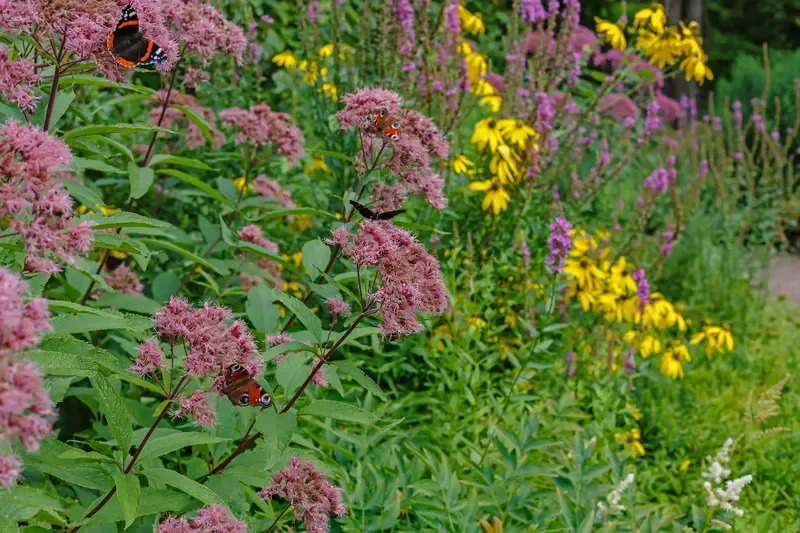
Have you ever looked out at your garden and wondered about the secret lives of the greenery staring back at you? It is easy to treat our yards like outdoor living rooms, picking out greenery based purely on what looks prettiest at the local nursery. We fall in love with a flashy flower or a uniquely shaped leaf, bring it home, and dig a cozy spot for it in the dirt. But beneath the surface of this everyday weekend hobby lies a quiet, fascinating tug-of-war that shapes our entire neighborhood ecosystem. It is the ongoing showdown between native and non native plants, and the choices we make on our regular gardening trips matter a lot more than you might think.
To understand the bigger picture, we need to meet the main characters of our story. Think of native plants as the local neighborhood originals. These are the trees, shrubs, and wildflowers that have grown up in your specific area for thousands of years. They evolved alongside the local weather, soil types, and wild animals. Because they grew up here, they know exactly how to handle the nastiest local droughts or the wettest seasons without breaking a sweat. On the flip side, we have non native plants, which are the globetrotting newcomers. These species were brought over from other regions or entirely different continents, often because they look striking, bloom for a long time, or resist local garden pests.
The Home Field Advantage: Why Local Greenery Wins
There is a special kind of magic that happens when you fill your yard with original local species. Because native plants are already perfectly adapted to your local climate, they are naturally low-maintenance. They do not need you to constantly hover over them with liquid fertilizers or chemical sprays just to keep them happy. Once their roots get settled into the earth, they are incredibly tough, saving you both precious weekend time and hard-earned money on your water bill. They are the ultimate set-it-and-forget-it option for busy homeowners who still want a beautiful, thriving outdoor space.
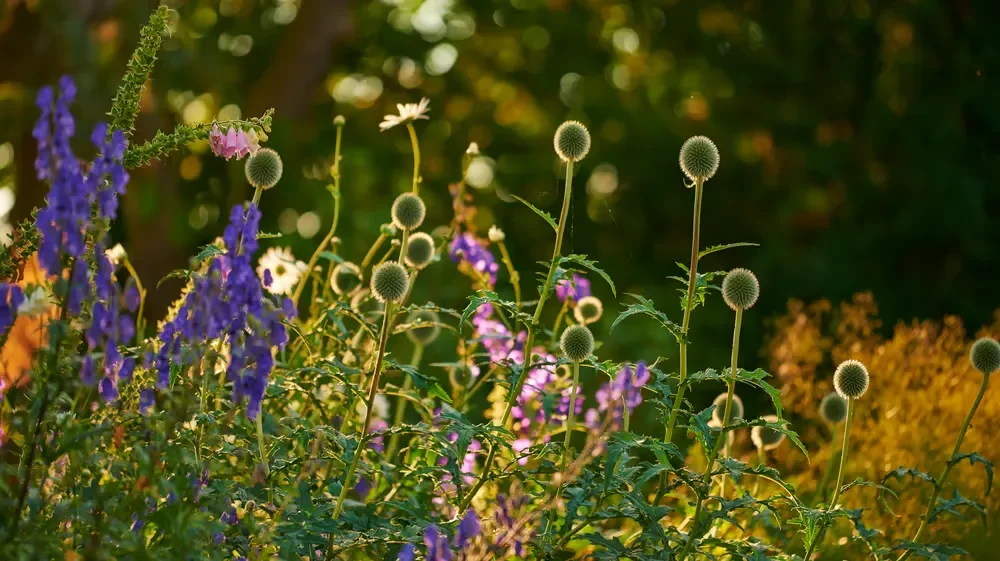
The benefits stretch far beyond saving a few dollars on utilities. When you choose native plants, you are effectively building a custom, five-star resort for the local wildlife. The birds, butterflies, and bees in your neighborhood grew up counting on these specific species for food and shelter. For example, a single oak tree can provide a home and a feast for hundreds of types of local caterpillars, which in turn feed the baby birds nesting in your gutters. Without these familiar local species, our favorite backyard creatures find themselves wandering through a biological desert, searching desperately for a snack.
Every root we sink into the earth is a vote for the kind of world we want to build. Choosing local species helps mend the delicate safety net that keeps our neighborhood ecosystems alive and humming.
The Flashy Travelers: The Cost of Exotic Greenery
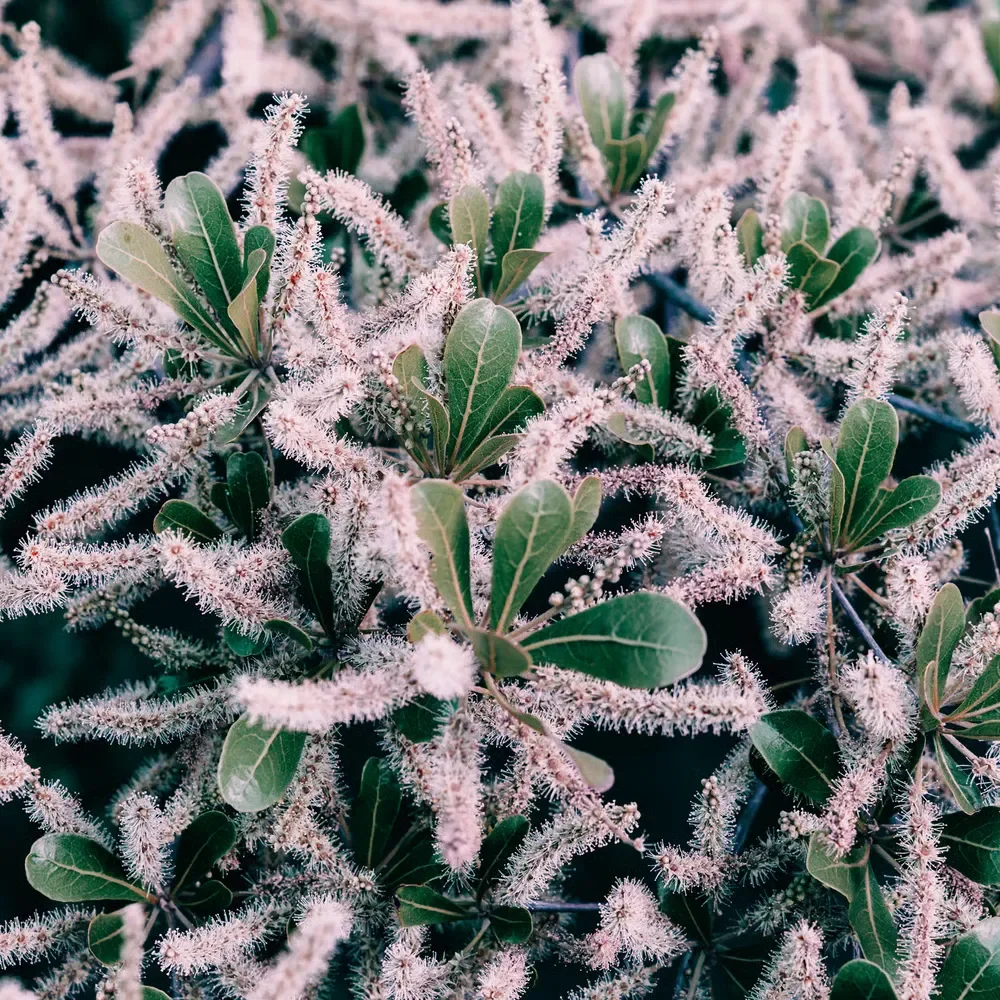
If local options are so wonderful, why do our neighborhoods feature so many non native plants? The simple truth is that exotic species are incredible at grabbing our attention. They are the glittering showstoppers of the garden center, boasting unusual neon petals or massive, glossy leaves that feel delightfully tropical. Many of these imports behave perfectly well, sitting quietly in their assigned garden beds and adding a lovely touch of worldly flair to the street. They enjoy the sunshine, drink their water, and stay exactly where you planted them without causing any trouble.
However, problems start brewing when certain non native plants get a little too comfortable in their new surroundings. Back in their home countries, these species had natural checks and balances, like specific insects that ate them or local diseases that kept their growth under control. When we drop them into a new environment without those natural critics, some of them run completely wild. They escape the boundaries of our yards, creep into nearby forests, and aggressively crowd out the original local vegetation. When an exotic species takes over an entire field, it creates a boring monoculture where local wildlife can no longer find anything to eat.
Finding Your Balance: Designing a Harmonious Backyard
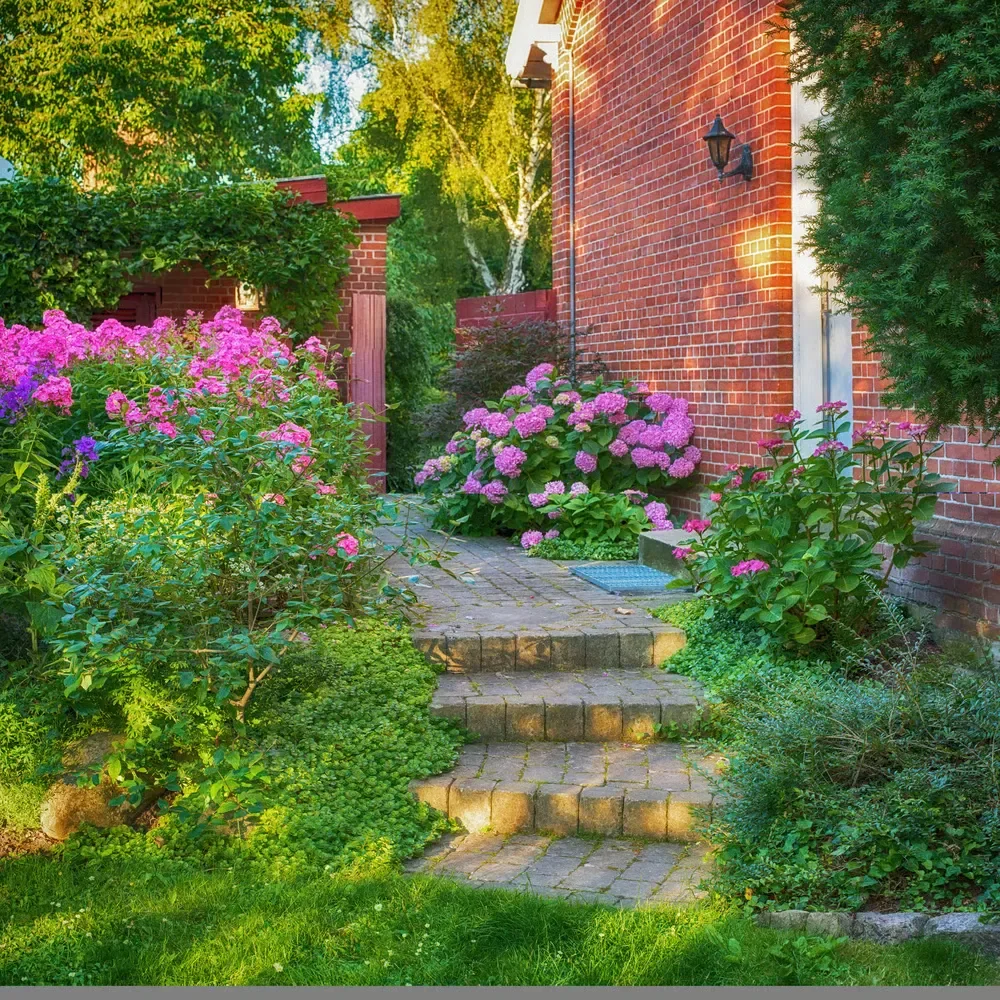
Does this mean you need to pull on your gardening gloves and aggressively yank out every single exotic flower you currently own? Not at all. Creating a great outdoor space is not about being a strict perfectionist; it is about making mindful, balanced choices. You can absolutely keep that prized, non-invasive imported shrub as a beautiful centerpiece on your patio, as long as you surround it with a supportive cast of local vegetation that gives back to the local environment. It is all about shifting the balance of power in your yard to favor the local team.
If you want to start making a positive difference, try dedicating a specific corner of your property entirely to local varieties. Swapping out a small patch of high-maintenance grass for a colorful cluster of local wildflowers is a fantastic way to start. You will quickly notice that native and non native plants can exist side by side quite beautifully, provided the exotic varieties you choose are well-behaved and non-invasive. Over time, you can gradually increase the percentage of local greenery, turning your yard into a rich tapestry that looks gorgeous to your guests and works wonders for nature.
Managing Your Landscape
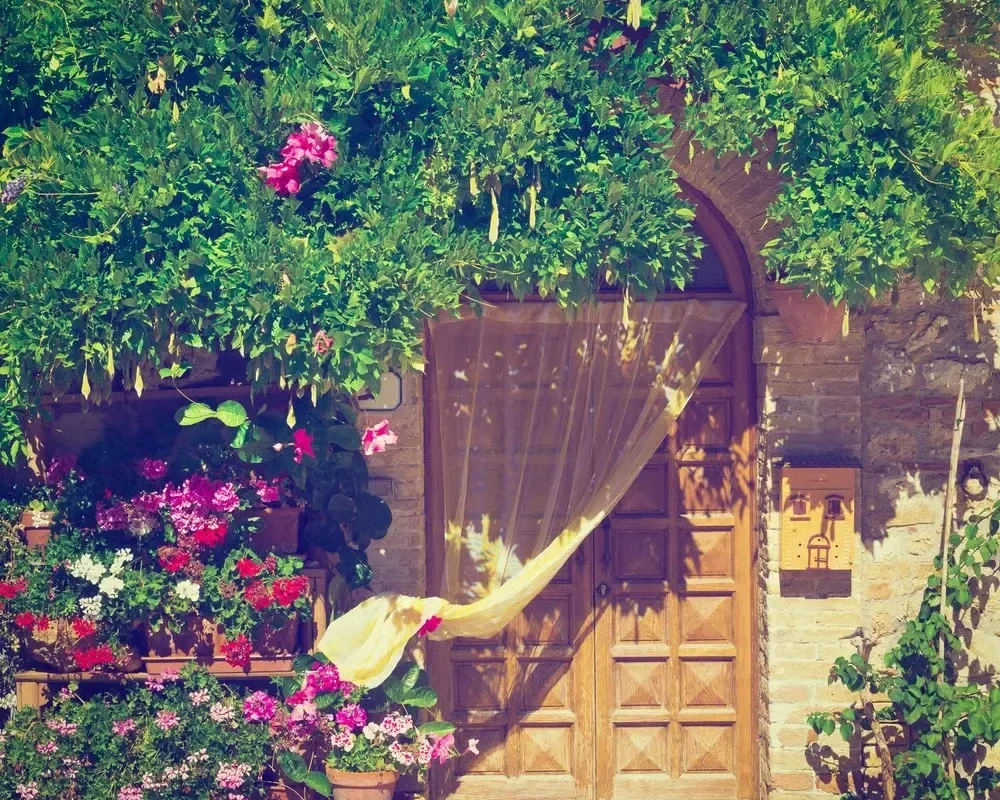
The Living Sanctuary:
Ultimately, our gardens are much more than just pretty pictures to show off to the neighbors; they are living, breathing ecosystems.
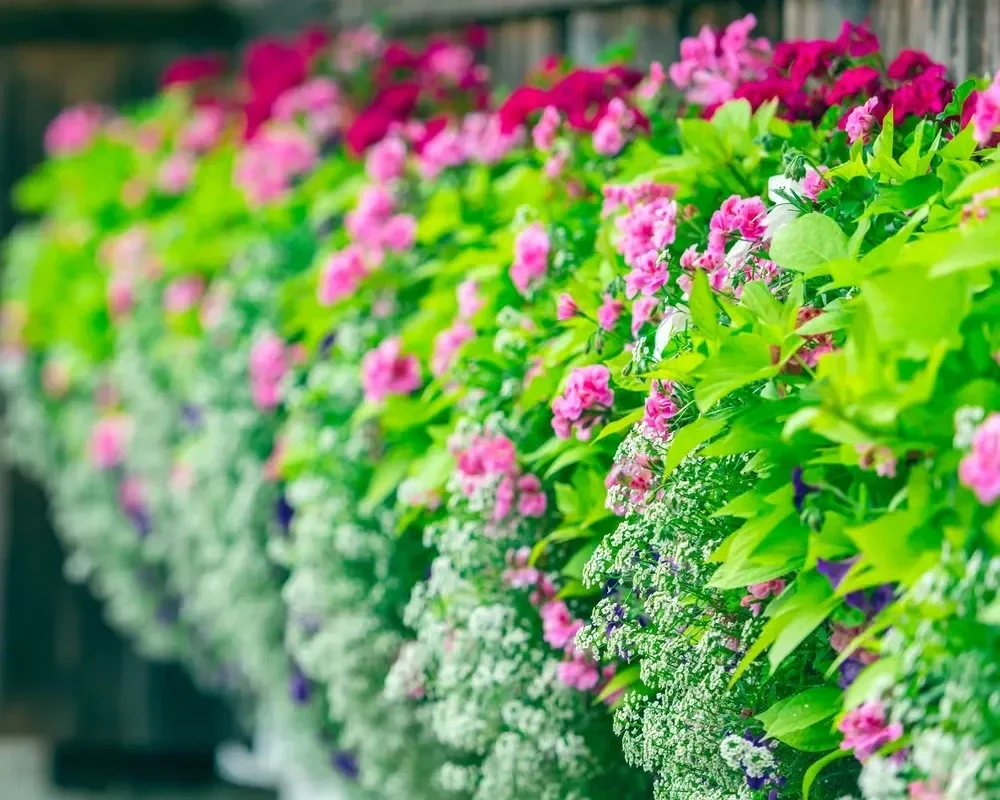
The Balancing Act:
While flashy exotic choices offer a brief pop of excitement, it is the sturdy local greenery that keeps the heartbeat of our local environment steady.
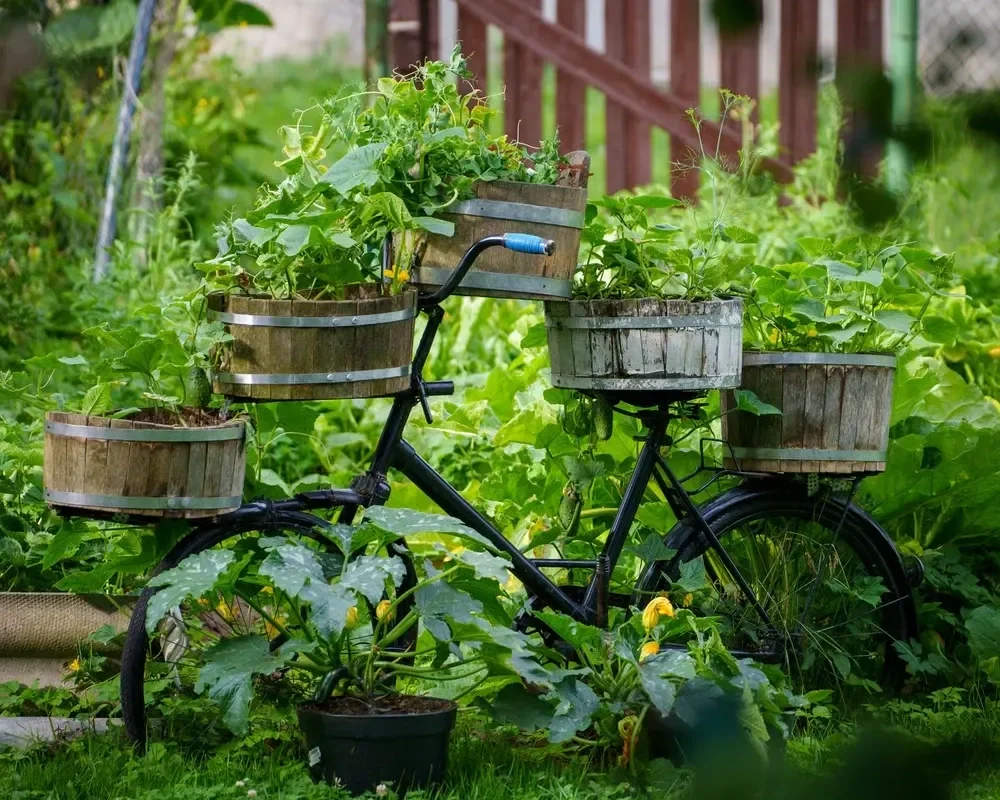
A Mindful Mix:
By intentionally mixing more native and non native plants in a thoughtful, responsible way, you can cultivate a stunning, sustainable landscape.
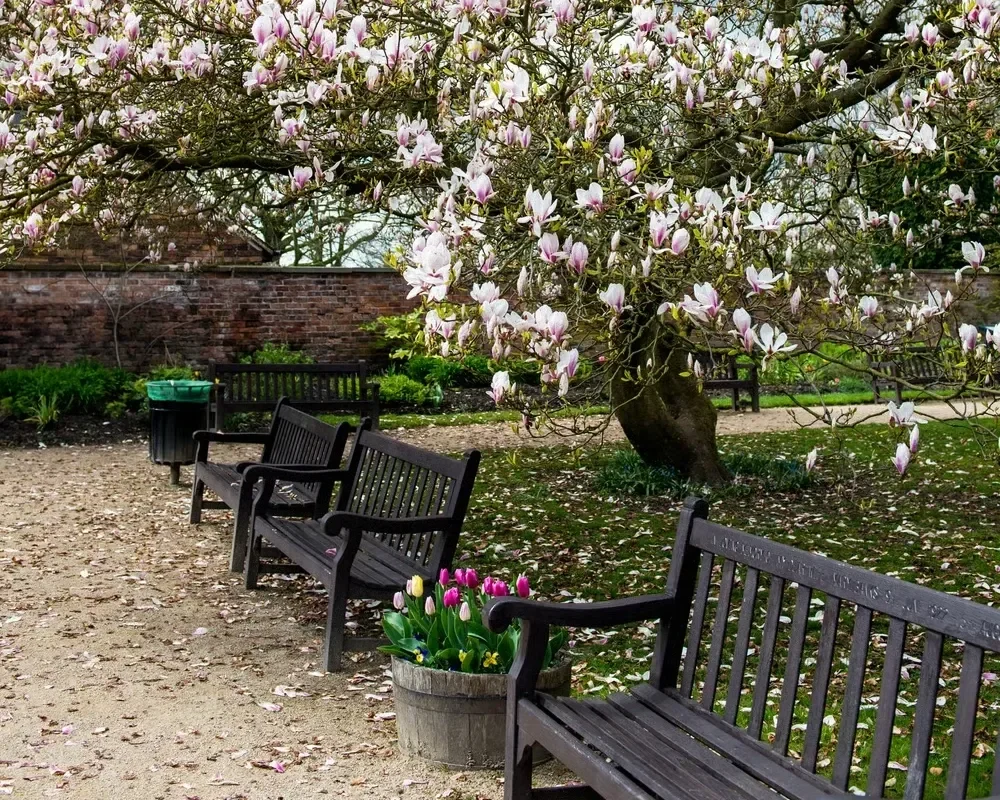
Honoring Local History:
.Choosing to support original local varieties ensures that you respect and preserve the unique natural history of your specific region.
A Legacy for Wildlife:
Most importantly, a balanced backyard environment gives our local birds, butterflies, and pollinators a vital, safe place to live and thrive.
Are You Wondering Whether Native Plants Or Exotic Blooms Are Right For Your Landscape?
Our expert Cornerstone team is here to help you weigh the pros and cons so you can design a beautiful, high-performing garden that thrives.
You Might Also Want to Read
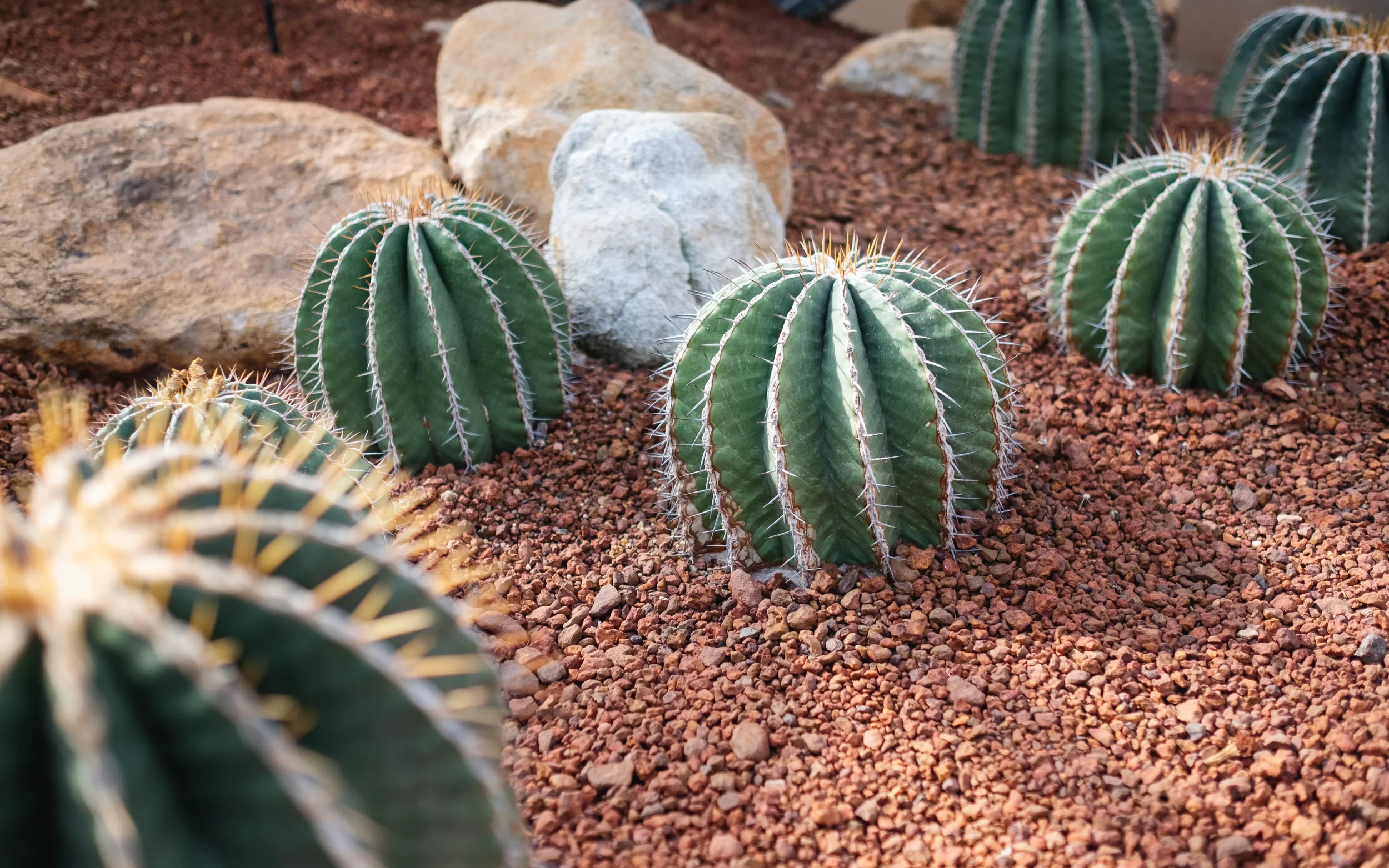
The Modern Lawn: Why Xeriscaping is a High-end Upgrade
Elevate your landscape with xeriscaping—the luxury, low-maintenance upgrade for a stunning and sustainable modern yard.
Your Backyard is not as safe as you think
Get the answers you need for a lush yard with our expert lawn care FAQs. Expert tips for a beautiful, healthy lawn.
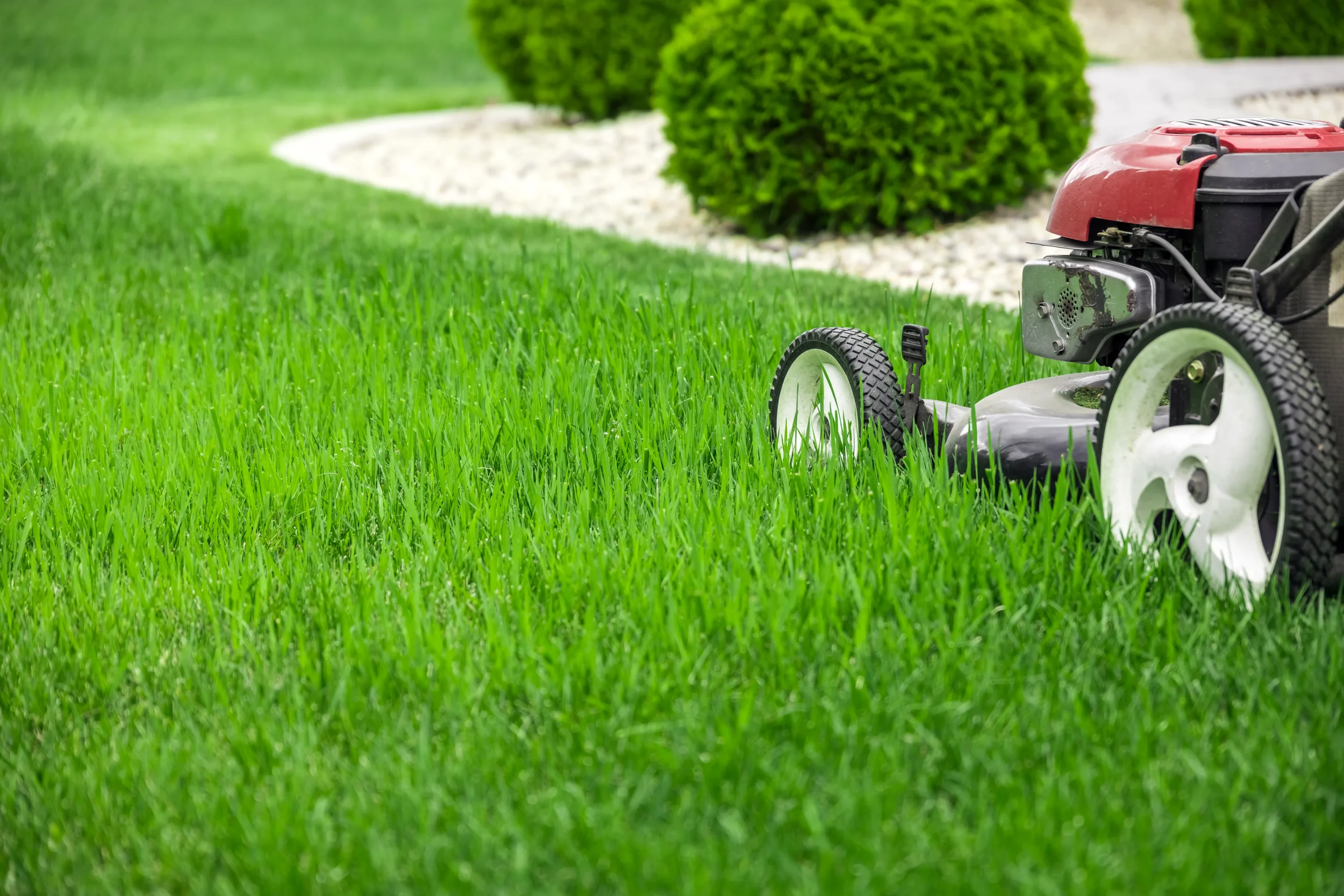
Lawn Care - FAQs
Get the answers you need for a lush yard with our expert lawn care FAQs. Expert tips for a beautiful, healthy lawn.
