The Hidden Dangers of Dead Trees: Don’t Wait for a Crash
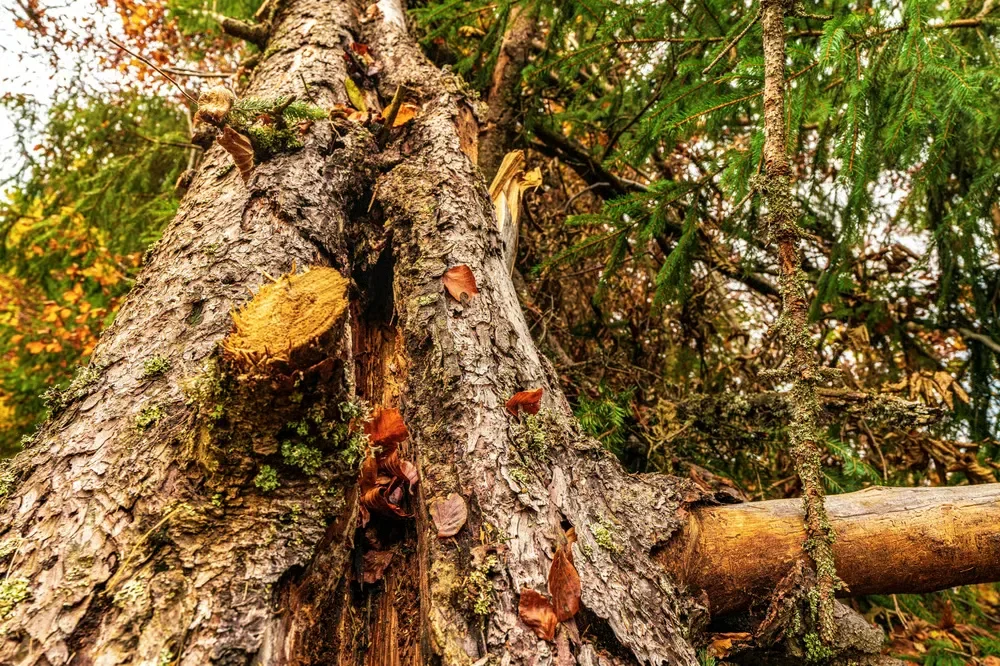
We often think of our trees as permanent fixtures of the landscape—like statues that just happen to grow leaves. But trees are living organisms with a definite lifespan, and eventually, they reach a point of no return. While a dying tree might look like a poetic part of the scenery for a while, it is actually a ticking time bomb waiting for the right gust of wind to cause a disaster.
Many homeowners put off tree removal because it seems like a "next year" problem. However, ignoring dead trees on your property is a gamble where the stakes are your roof, your car, and your bank account. Understanding why speed matters can save you thousands of dollars and a whole lot of heartbreak.
Gravity Always Wins: The Structural Decline of a Dying Tree

When a tree begins to fail, it loses its structural "muscle." Healthy trees are flexible; they bend and sway with the wind, distributing energy down into their roots. A dying tree, however, becomes brittle. The wood dries out, the internal fibers lose their elasticity, and the root system—the anchor of the entire ship—begins to rot and retreat.
By the time a tree is classified among the dead trees in your neighborhood, it is no longer a solid pillar. It is a fragile shell. Branches that once held hundreds of pounds of weight can snap under the pressure of a light dusting of snow or a summer thunderstorm. Waiting to remove these hazards means you are essentially playing a game of "gravity roulette" with your home.
$The Financial Fallout: Why Proactive Removal Is Cheaper
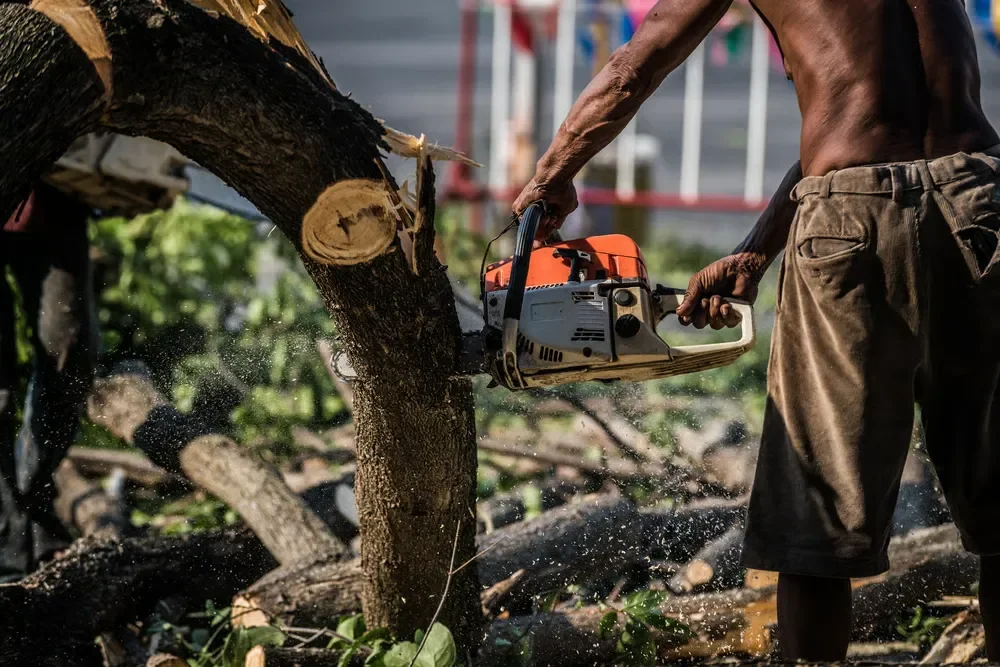
It’s no secret that professional tree removal can be an investment. However, the cost of removing dead trees while they are still standing is a fraction of the cost of an emergency "tree-on-house" extraction. When a dying tree falls on a structure, you aren't just paying for the tree to be hauled away; you’re paying for roof repairs, structural stabilization, and potential interior water damage.
Furthermore, insurance companies are becoming increasingly savvy. If an adjuster determines that you were negligent by leaving visible dead trees standing near your home for years, they may argue that the damage was preventable. This could lead to a denied claim, leaving you to foot the entire bill for repairs that could have been avoided with a single phone call to an arborist.
Invisible Guests: How Dead Trees Invite Unwanted Pests
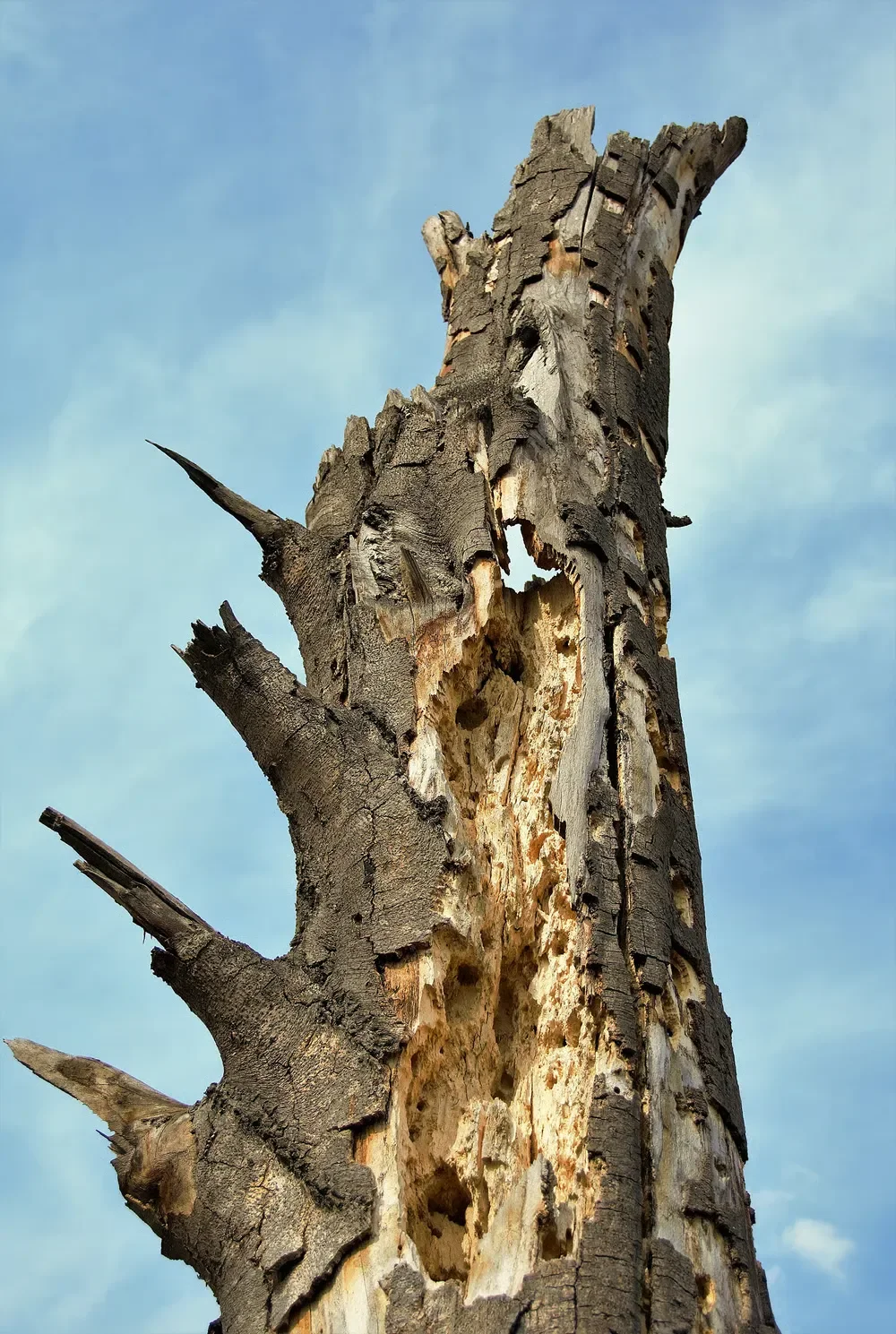
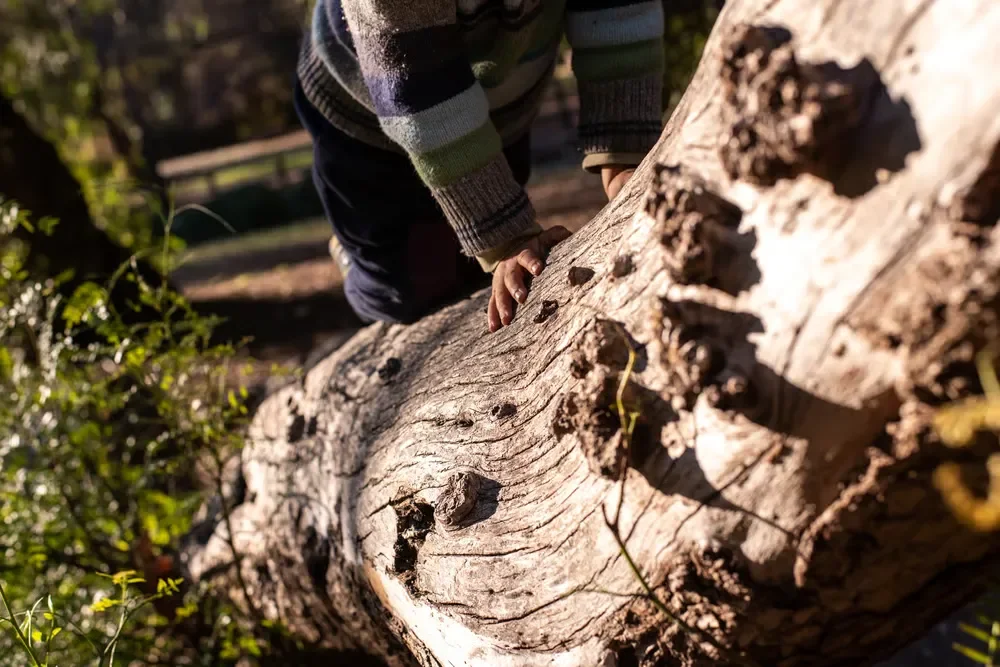
A dying tree is like an "Open for Business" sign for the local pest population. Termites, carpenter ants, and wood-boring beetles love nothing more than the soft, decaying wood found in dead trees. While they start in the tree, they rarely stay there. Once a colony is established in a stump or a rotting trunk, it’s only a matter of time before they start scouting your wooden deck, your fence, or even the foundation of your home.
Beyond insects, dead trees often become "hotels" for rodents and wildlife. While a woodpecker might be charming, a family of squirrels or raccoons using a hollowed-out dying tree as a staging ground to jump onto your roof is less than ideal. Removing the hazard removes the habitat, keeping your home’s perimeter much more secure.
The Liability Loophole: Protecting Your Neighbors and Passersby
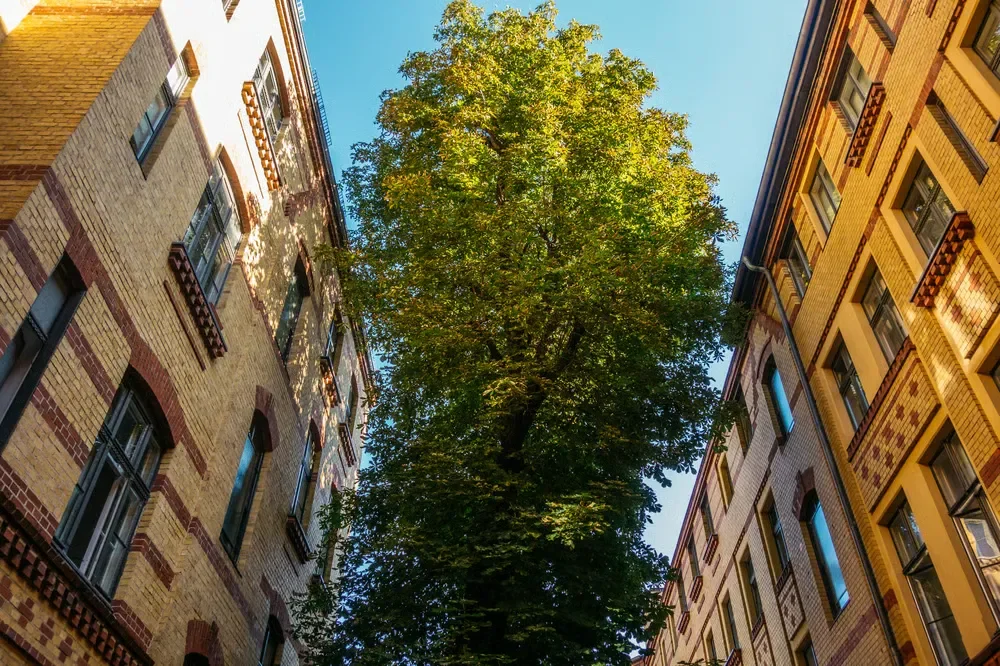
Property damage isn't always about your own house. If one of your dead trees falls across the property line and crushes your neighbor's garage or, heaven forbid, hits a parked car on the street, you are legally liable. This creates a massive headache of legal disputes and strained relationships.
Maintaining a safe landscape means being a responsible member of the community. A dying tree near a sidewalk or power line is a public safety hazard. Often, utility companies will trim branches near lines, but they won't necessarily remove the whole tree. It is up to the homeowner to ensure that dead trees don't turn a routine walk into a dangerous situation for neighbors or local kids.
Aesthetic Rot: The Impact on Your Property Value
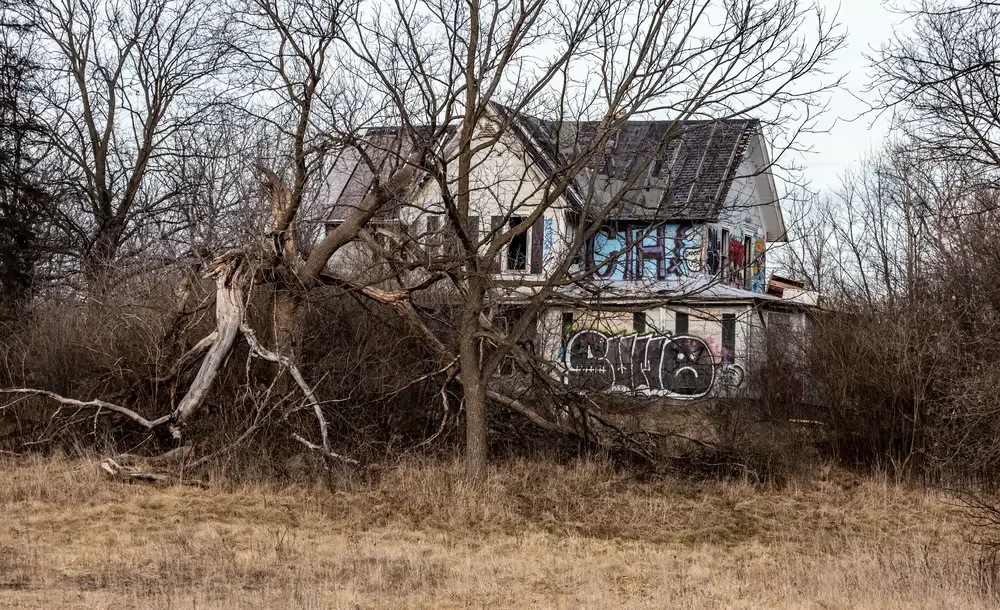
Finally, let's talk about curb appeal. Even if a dying tree doesn't fall, it significantly brings down the visual and financial value of your home. Potential buyers see dead trees not as "nature" but as a massive, expensive chore they’ll have to deal with the moment they move in. It signals that the property may have been neglected in other areas, too.
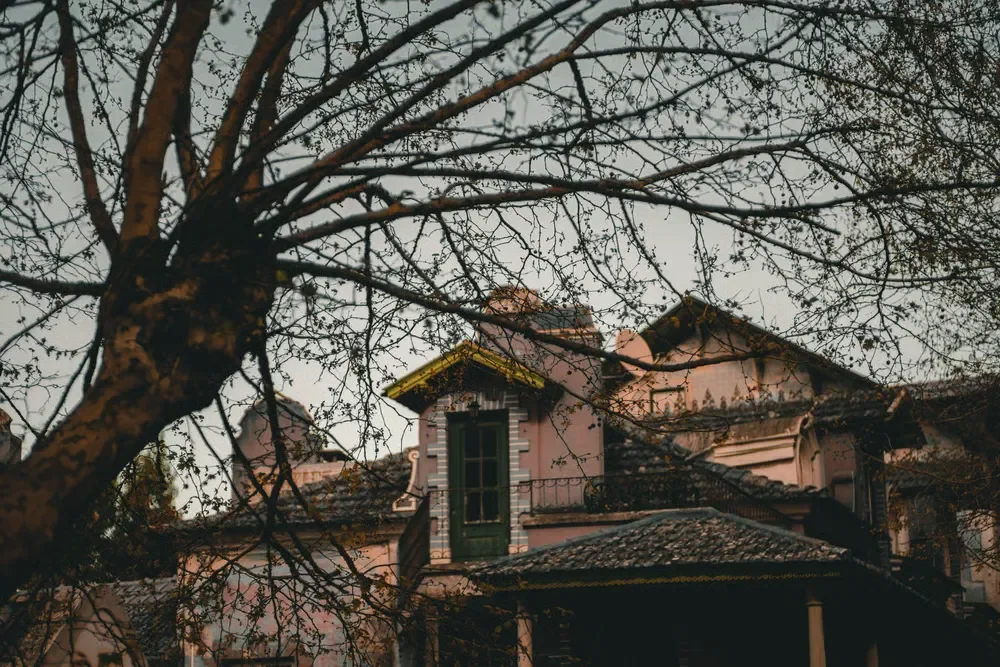
Replacing a dying tree with a healthy, young sapling is an investment in the future. It refreshes the look of your yard and ensures that twenty years from now, you’ll have a lush, vibrant canopy instead of a gray, skeletal reminder of what used to be there.
Final Insights on Managing Hazard Trees
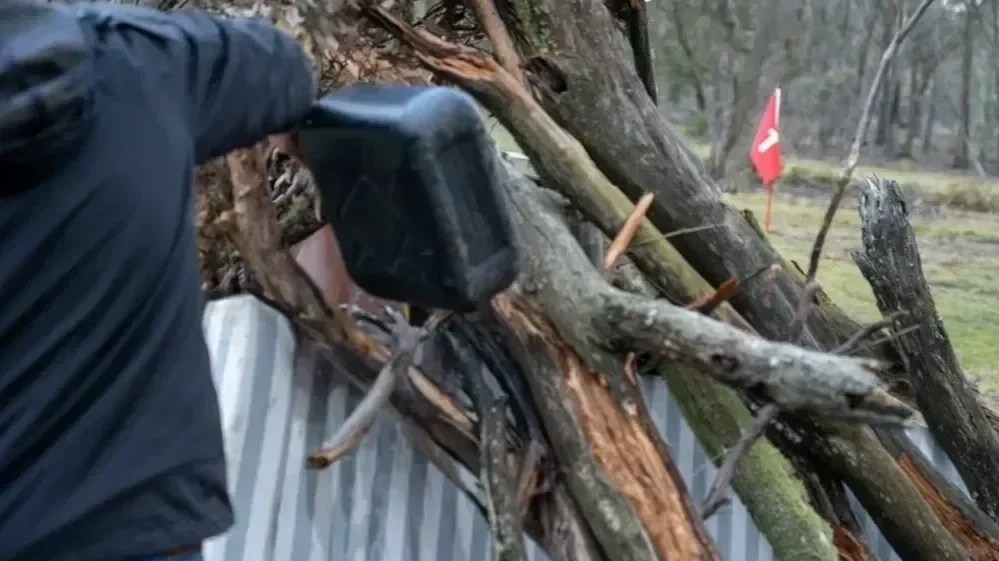
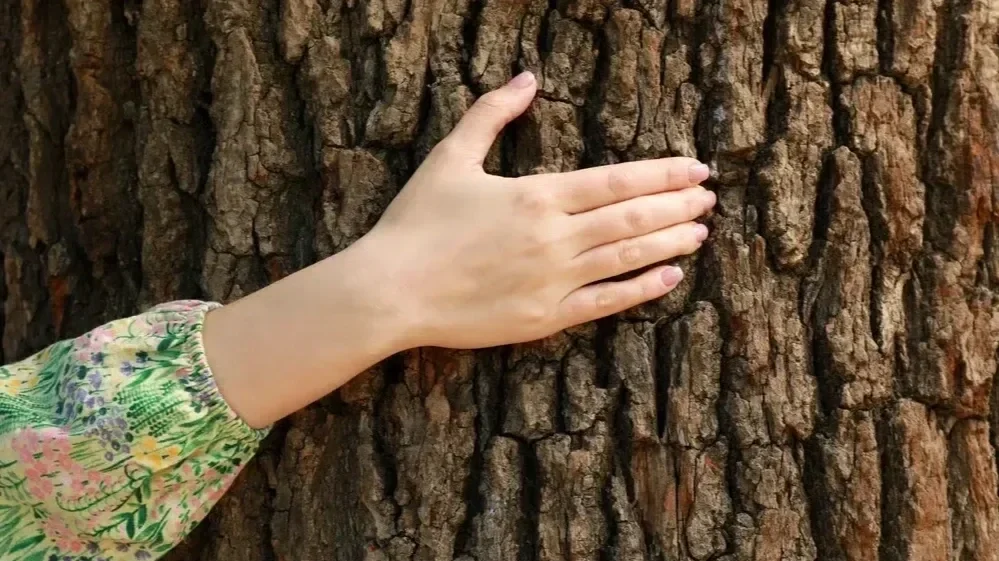
The "Bark Test":
If you notice large chunks of bark falling off and not being replaced, or if you see "conks" (shelf-like mushrooms) growing at the base, you likely have a dying tree that needs immediate attention.
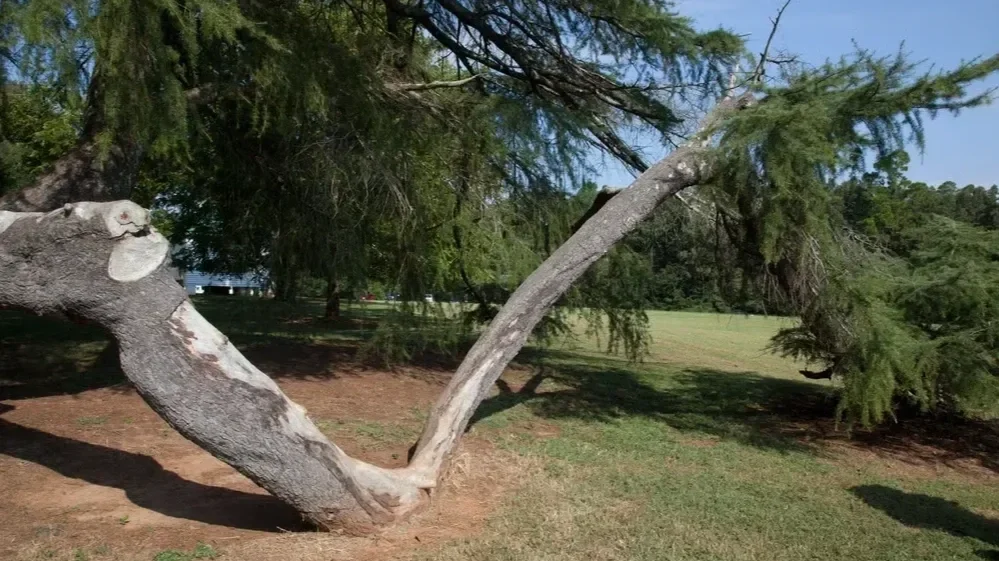
Check the Lean:
A tree that suddenly develops a lean, or has cracked soil near the roots, is an immediate priority. This indicates the root plate is failing.
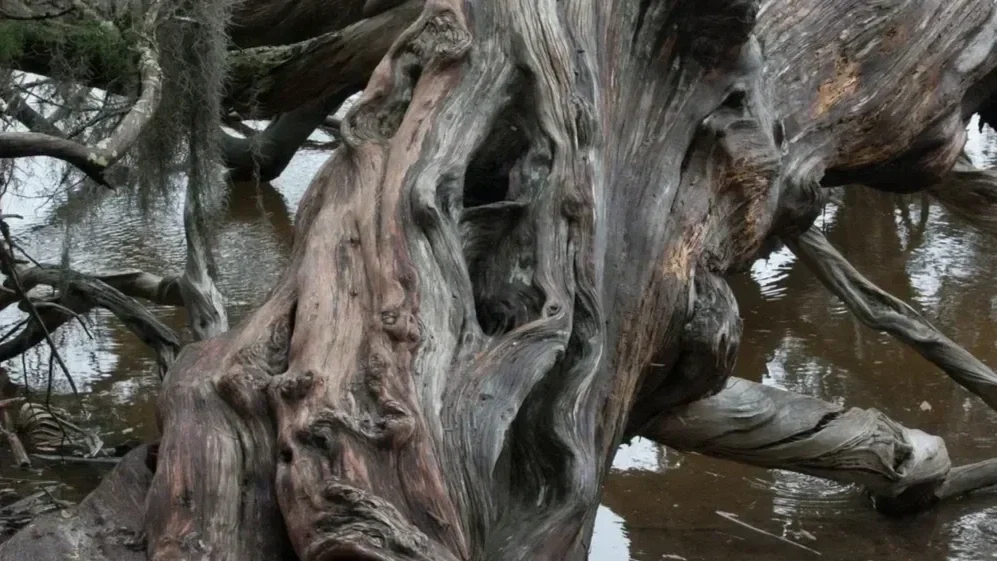
Don't DIY Large Deadwood:
Dead trees are much more unpredictable than living ones. They can shatter or "spring" in ways a green tree won't. Always hire a pro for anything larger than a small ornamental.
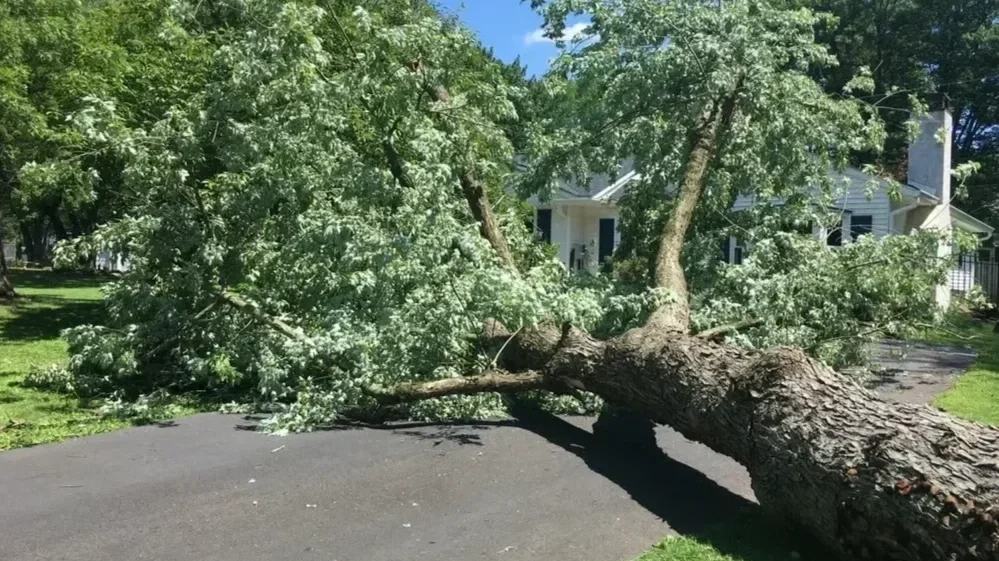
Assess After Storms:
Even if a tree looks okay, high winds can create internal "shakes" or cracks. Do a walk-through of your property after every major weather event to spot any new dying tree symptoms.
The "Green Trace":
Use your fingernail to scratch a small twig. If it's green underneath, there's life. If it’s brown and brittle throughout the canopy, you're looking at one of many dead trees that need to go
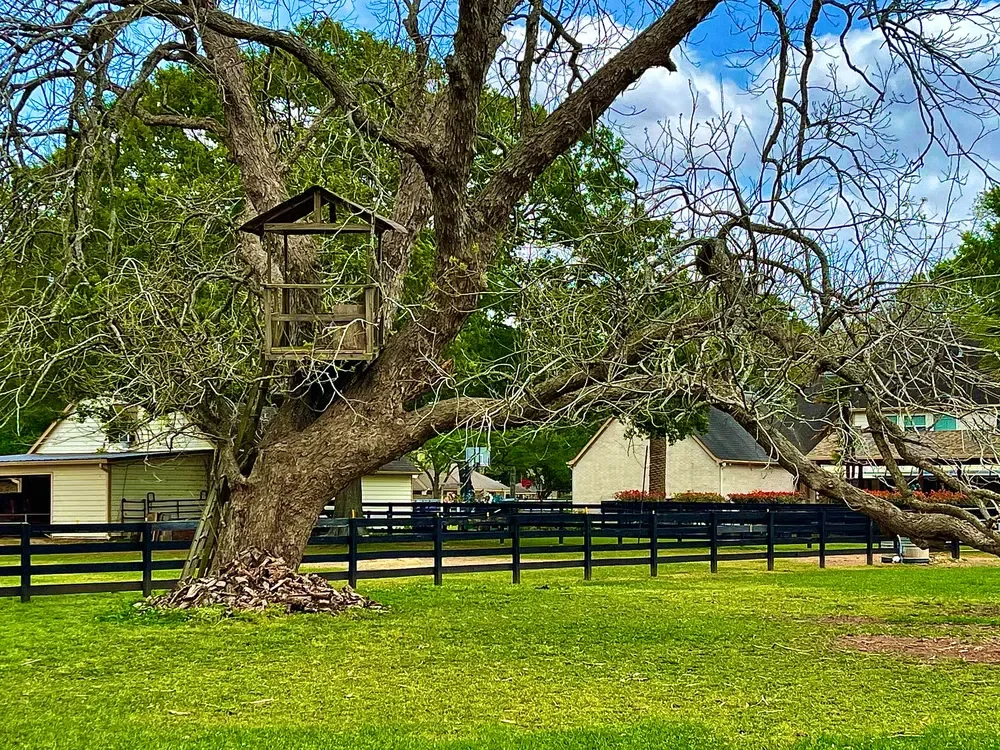
Is that dead tree a ticking time bomb on your property?
Protect your home and family before the next big storm by scheduling a professional safety inspection today!
You Might Also Want to Read
When is the right time to fertilize my lawn?
Get a vibrant, healthy yard with our expert lawn fertilization guide for strong roots and maximum growth.
The Ultimate Fall Clean Up Checklist
Protect your landscape this winter and ensure a vibrant spring comeback with our step-by-step seasonal care guide.
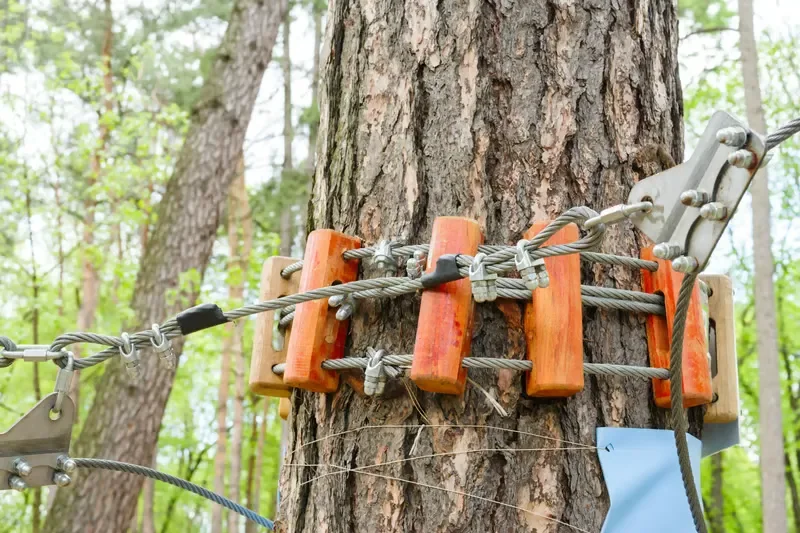
The Simple Guide to Tree Cabling
Protect your trees from storm damage and extend their life with our expert guide to tree cabling systems.
For additional questions or comments please feel free to call 304-707-0437 or email us at office@cornerstonelawnservices.com
