
The Invisible Superpower: Mastering Propane at Home
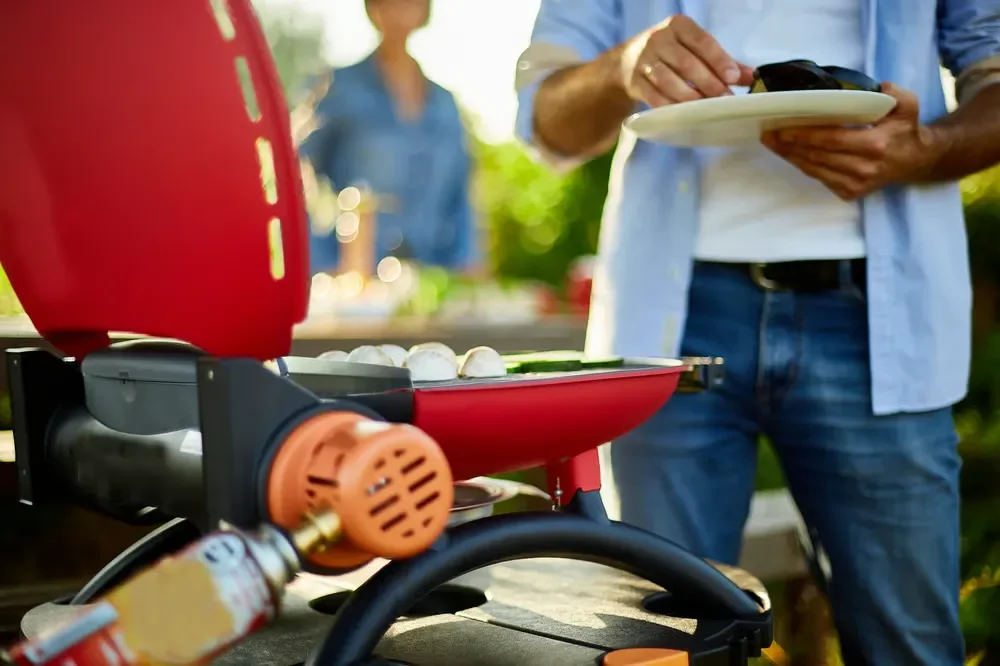
Propane is the unsung hero of the backyard barbecue, the cozy winter fireplace, and the reliable off-grid water heater. It’s efficient, clean-burning, and incredibly reliable. However, because it stays hidden away in heavy steel cylinders, it’s easy to forget that it requires a healthy dose of respect. Mastering a few key propane tank safety tips ensures your home stays warm, your grill stays hot, and your family stays completely secure.
Let’s demystify this backyard power source. Propane behaves quite differently from standard natural gas or electricity, and knowing its unique quirks is the secret to keeping your household safe and sound.
The Nose Knows: Sniffing Out a Propane Leak Early
Rotten Eggs and Skunks: Your Built-In Warning System
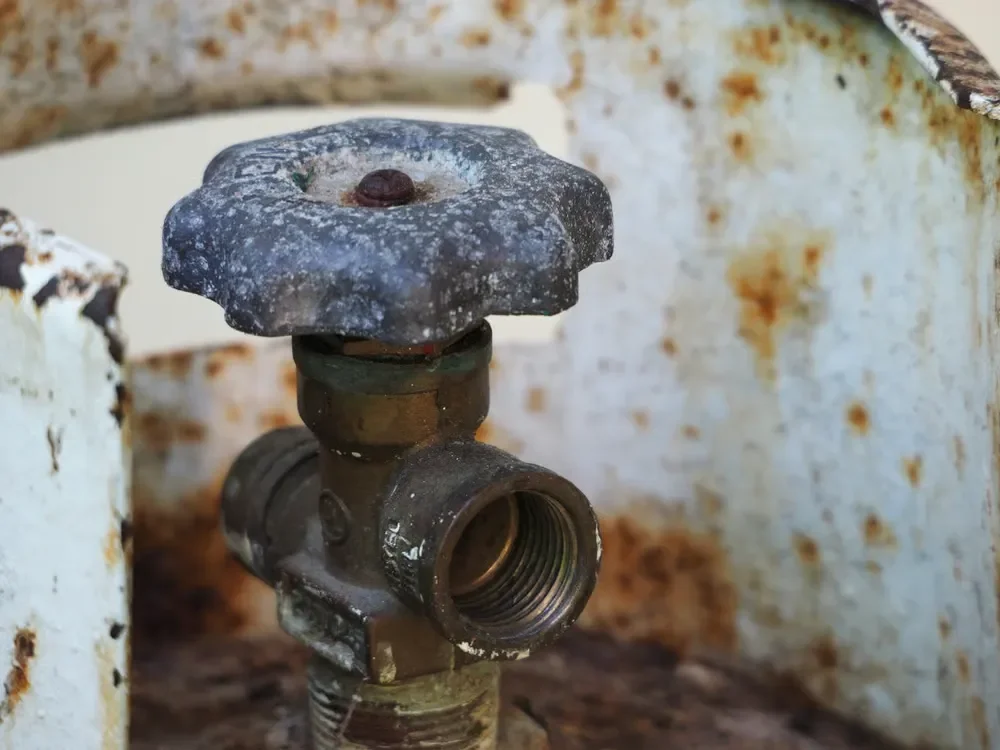
Pure propane actually has zero smell, which would make a leak incredibly difficult to spot. To fix this, manufacturers add a harmless chemical called ethyl mercaptan. It gives the gas a notoriously foul odor that smells exactly like rotten eggs, a skunk, or a dead animal. If you ever catch a whiff of this distinct stink near your appliances, take action immediately. Treat that smell as your official cue to drop what you are doing, skip checking the stove knobs, and get everyone outside into the fresh air right away.
Step Away Fast: What to Do If You Smell Gas
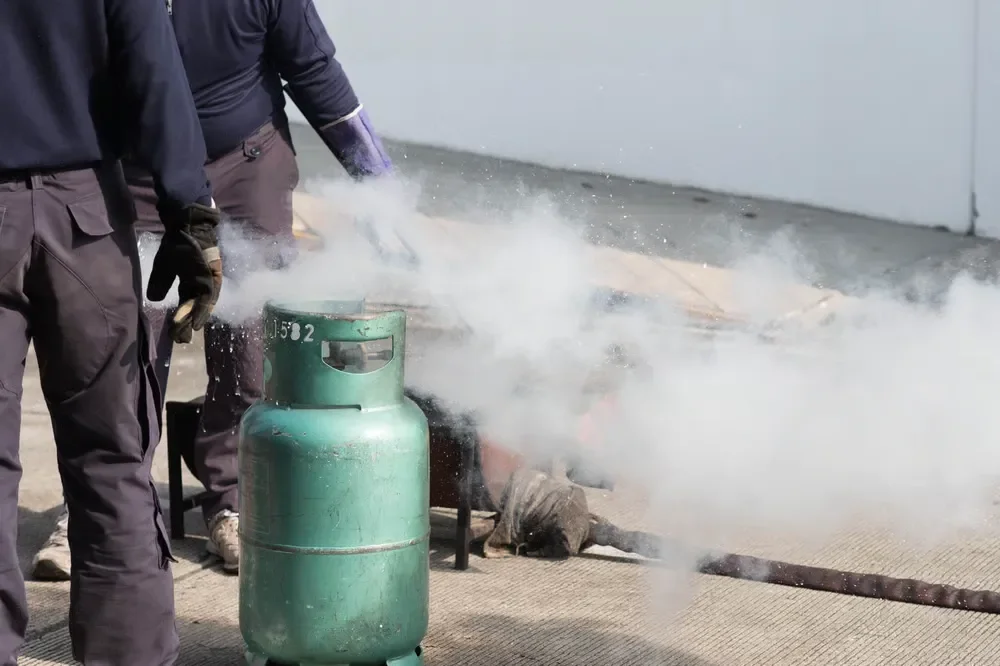
When the nose alerts you to a potential issue, your immediate reaction matters. Do not turn any light switches on or off, do not light a match, and do not use your phone while inside the house. A single tiny spark from a light switch can ignite airborne gas. Get everyone out of the building or yard, head to a safe distance, and then call your local fire department or propane supplier. It is always better to be safe and let the pros check it out with their specialized sensors.
Tank Tactics: Storing and Handling Your Fuel Correctly
Keep It Upright: The Golden Rule of Tank Storage
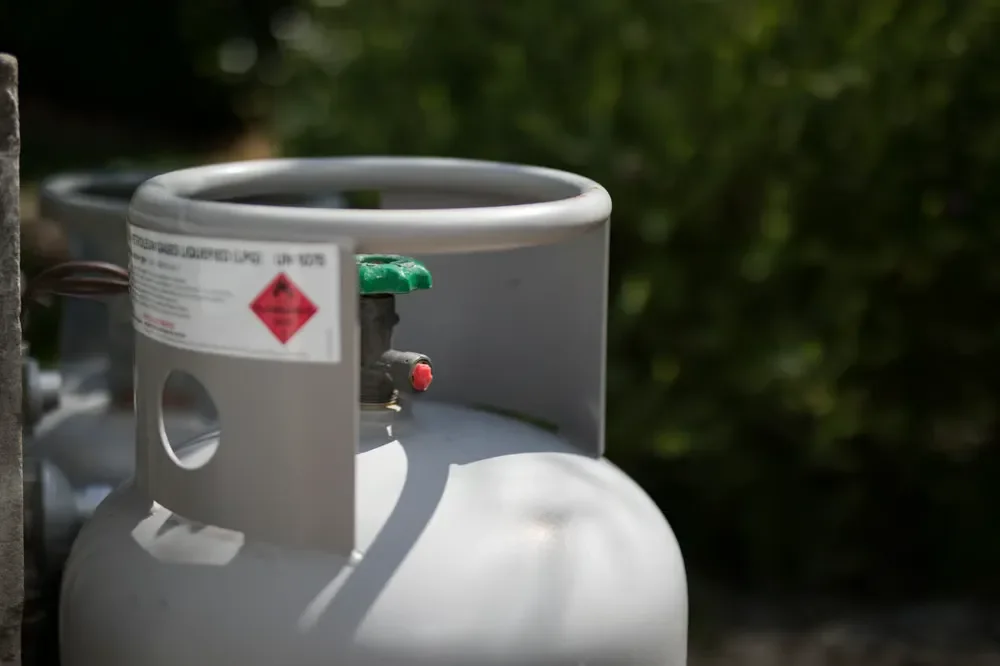
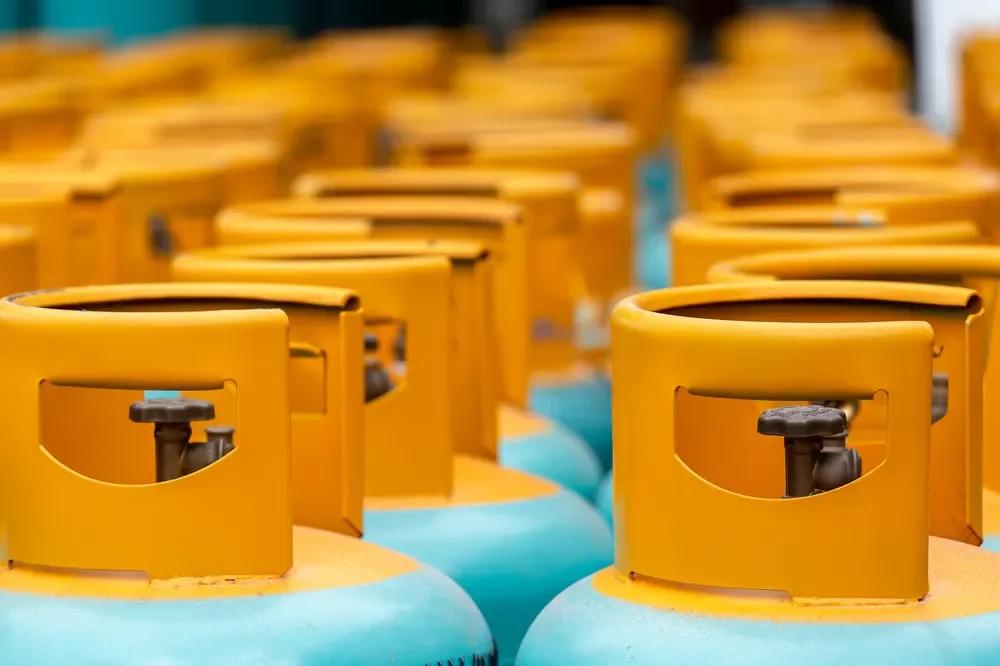
Whether you are storing a massive 500-gallon home tank or a small 20-pound cylinder for your weekend barbecue, propane containers must always sit perfectly upright. This isn't just about preventing the tank from rolling away; it's a vital mechanical necessity. Inside the container, propane exists as both a liquid and a vapor. The safety relief valve is specifically designed to vent vapor if the pressure gets too high. If the tank is resting on its side, that valve can accidentally vent liquid propane instead, which expands into a massive, dangerous cloud of gas instantly.
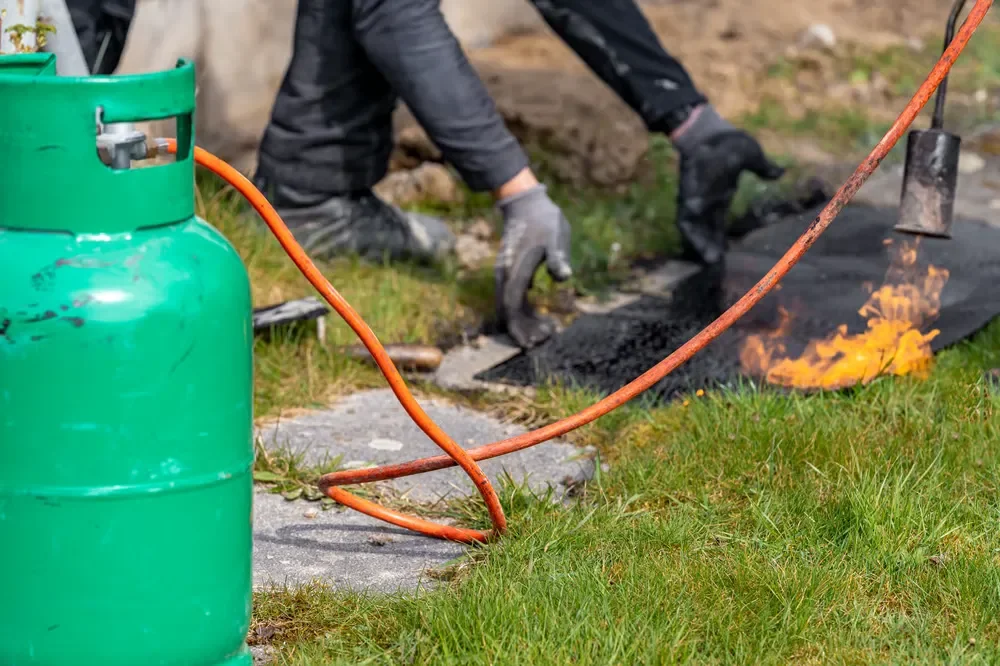
The Outdoor Shield: Why Propane and Indoor Air Never Mix
Never store a spare propane tank inside your house, basement, or attached garage. Even a tiny, slow leak in an enclosed space can lead to a dangerous buildup of gas over time. Keep your spare tanks outdoors in a well-ventilated, shaded area resting on a flat, stable surface. Direct sunlight can cause the pressure inside the cylinder to spike, prompting the relief valve to release small amounts of gas to ease the pressure. If this happens outdoors, the gas safely disperses into the air. If it happens inside your tool shed, it creates a serious hazard.
Grill Master Guidelines: Safe Summer Cooking Strategies
The Open Lid Habit: Preventing Backyard Fireballs
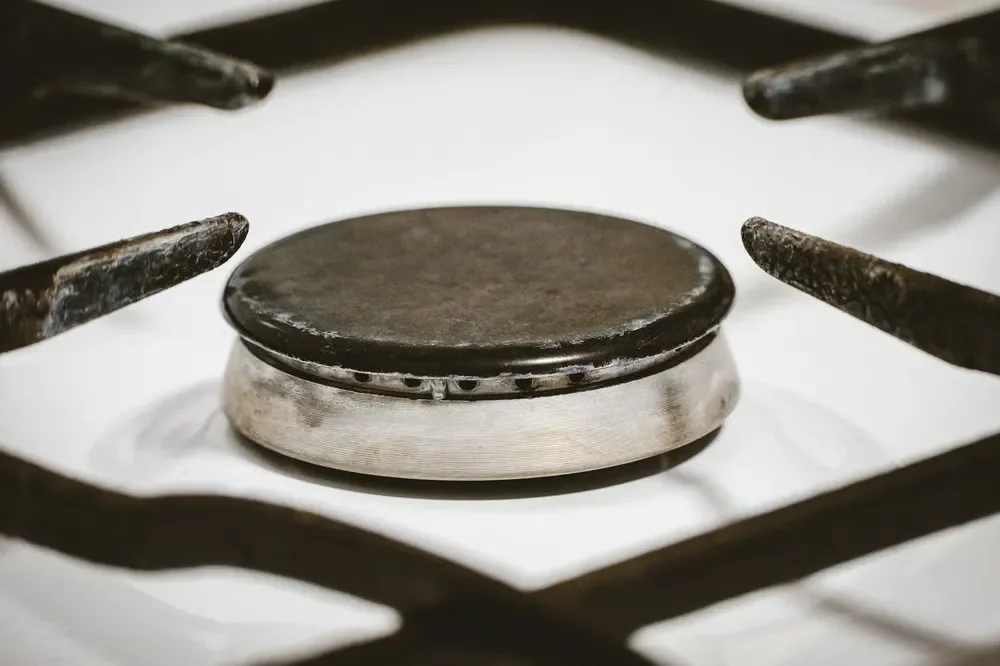
Before you press the igniter button on your gas grill, always open the lid. It is a simple, five-second habit that saves a lot of eyebrows. If you attempt to ignite the grill with the lid firmly closed, escaping gas can quickly pool inside the cooking chamber. When the spark finally catches, that trapped pocket of gas will cause a sudden, forceful pop that can damage the grill or cause flashes of fire. Open the lid first, turn on the gas, and strike the igniter.
The Bubble Test: Checking Your Hoses with Soap
Over time, the flexible rubber hoses connecting your grill to the fuel supply can dry out, crack, or get damaged by pests. A fantastic trick to add to your regular propane tank safety tips routine is the soapy water test.
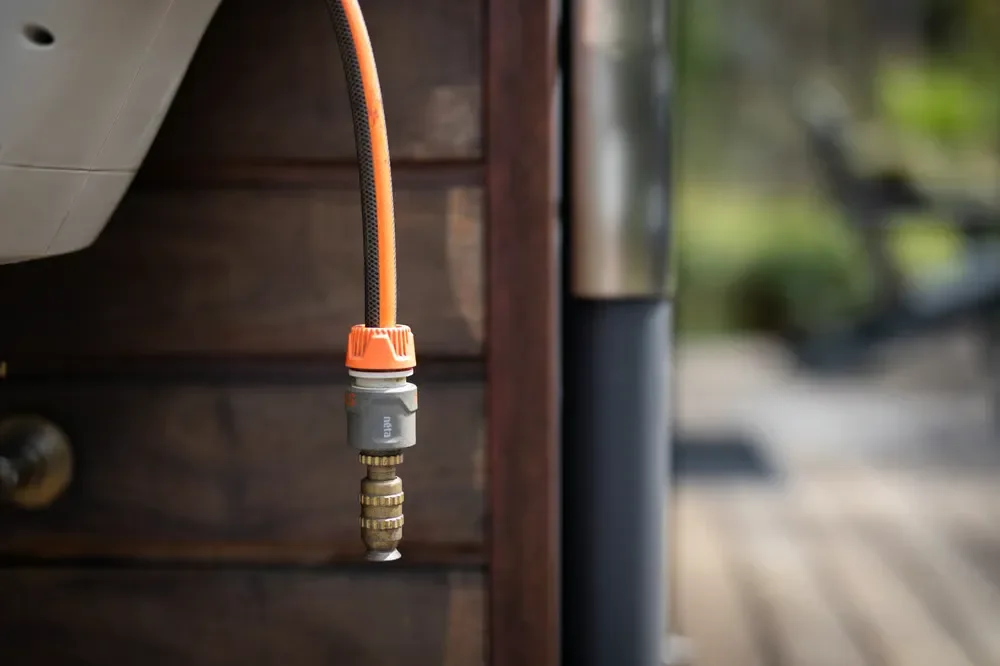
1. Mix equal parts dish soap and water in a spray bottle or bowl.
2. Coat the rubber hose and the connection valves completely.
3. Turn on the propane tank valve without turning on the grill.
4. Watch closely: If bubbles grow, you have a leak.
5. Tighten the fitting or replace the hose before cooking.
Winter Wisdom: Protecting Your Bulk Home Supply
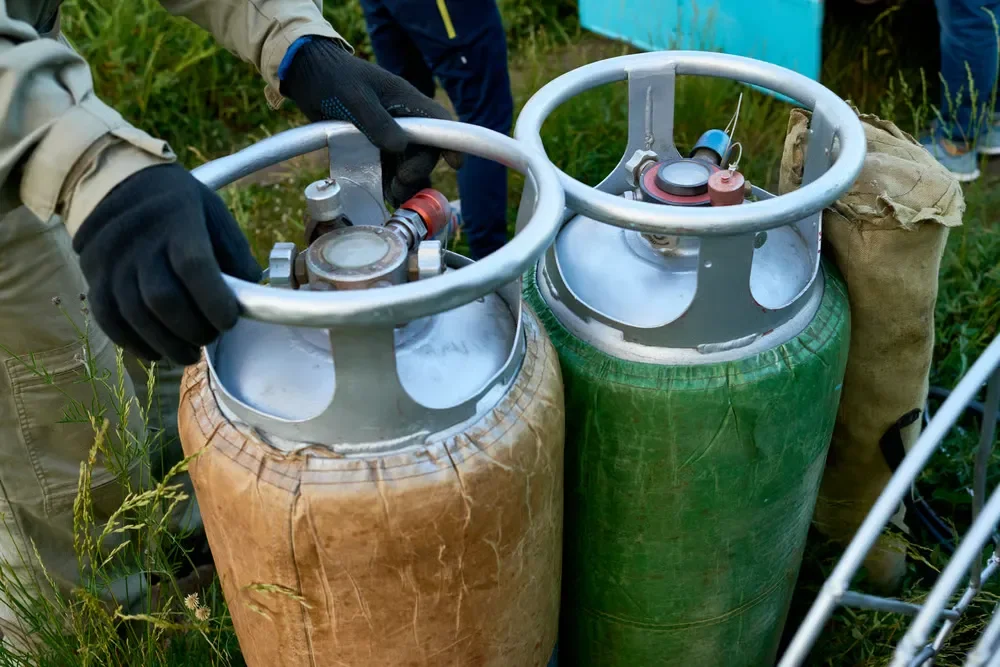
If you rely on a large bulk tank to heat your home during the chilly winter months, heavy snowstorms require a little extra maintenance. After a major snowfall, grab a broom and gently clear the snow accumulation off the top of your tank, the regulator, and the visible pipe valves. Heavy, freezing snow can block the tiny vents on the regulator, which controls the steady flow of fuel into your home. When these vents freeze shut, it can disrupt your heating system or cause pressure irregularities. Never use a sharp metal shovel to clear the tank, as a hard strike could crack the fittings.
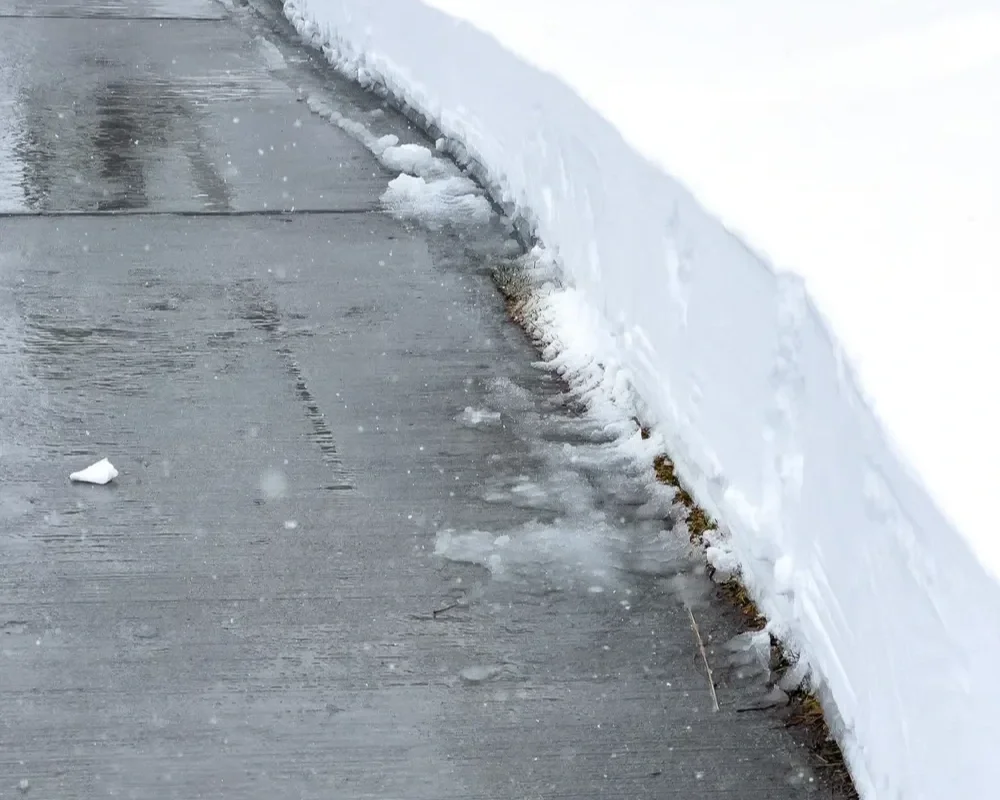
When winter weather hits, keep a clear path shoveled from your driveway directly to the tank. Propane delivery drivers handle incredibly heavy hoses to fill your supply, and navigating slick ice or waist-deep drifts can lead to accidents. Marking your tank with a tall, brightly colored flag is also a smart move if you live in an area prone to deep snowdrifts that can completely bury the tank.
Final Insights for Total Peace of Mind
Propane is an incredibly safe, efficient, and versatile fuel when handled with just a little bit of regular care. Most common accidents are entirely preventable by simply keeping tanks outdoors, storing them upright, and knowing how to spot a leak using your sense of smell. Make it a habit to inspect your connections seasonally, teach everyone in your household what propane smells like, and always keep a close eye on your fuel levels. By turning these simple propane tank safety tips into everyday household habits, you can confidently enjoy your cozy home heating and perfect backyard barbecues all year round with absolute peace of mind.
Curious About The Best Ways To Handle And Store Propane Safely Around Your Property?
Our Expert Cornerstone Team Is Here To Help You Check The Right Safety Protocols So You Can Enjoy Worry-Free Comfort through Every Temperature Drop.
You Might Also Want to Read
Native Plants vs. Exotics
Maximizing the ecological harmony and visual impact of your garden comes down to choosing the right contenders for your soil.

What Makes Cornerstone Lawn Services Unique?
Choosing a company to service your home or business is a significant decision. At Cornerstone, we believe the difference is in the details.
The Science of Soil Testing
Maximizing the health and yield of your landscape comes down to knowing exactly what your ground is missing.
