The Art of Crown Thinning: Why Your Tree Needs a Haircut
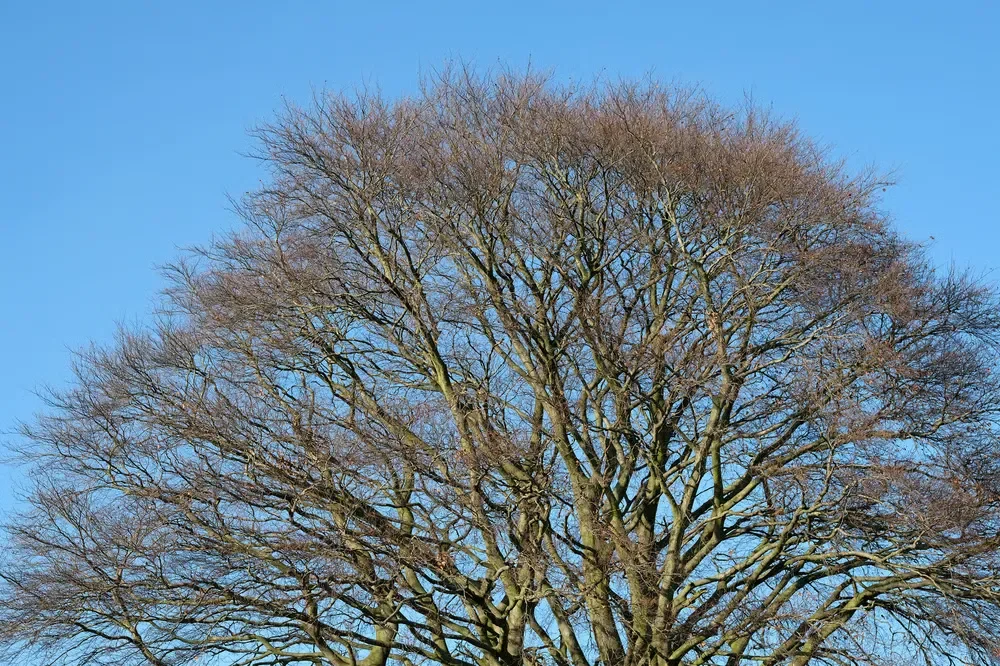
If you own a home with a yard, you likely view your trees as more than just landscape features. They are the silent guardians of your property, providing shade for summer barbecues and a splash of color when the seasons shift. However, there comes a point in every tree’s life when it starts looking a little overgrown.
When a tree gets too thick, the natural instinct for many homeowners is to just "take a bit off the top." This practice, known as topping, is often marketed as a quick fix, but it is actually one of the most harmful things you can do to your leafy friends. Instead, professionals lean into a much more refined technique.
Cutting Through the Noise: Understanding the Crown Thinning Method
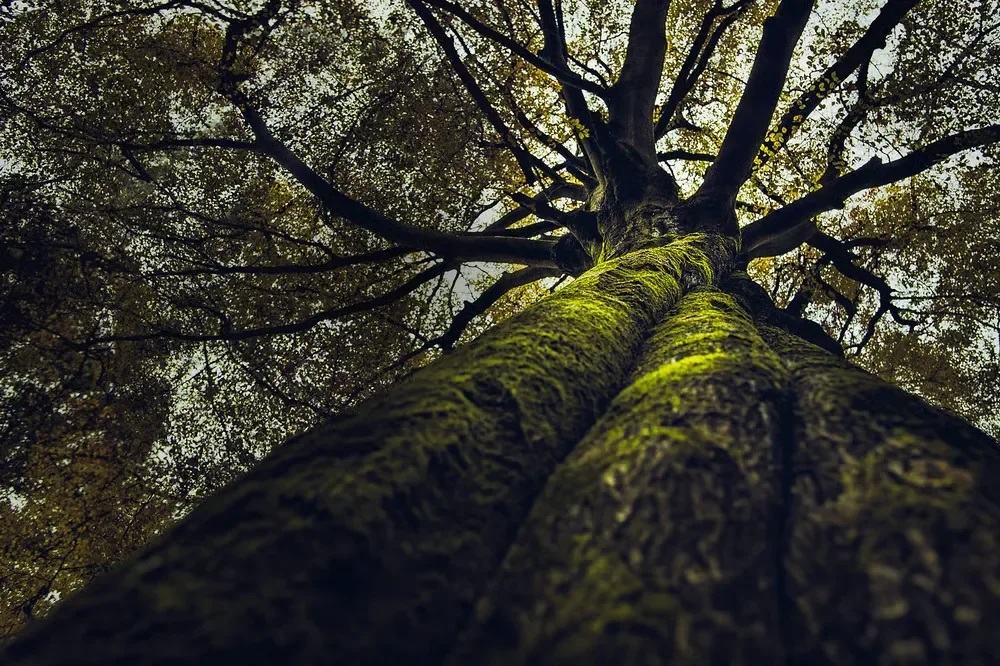
Think of your tree like a crowded room. If too many people are squeezed into a small space, nobody can move, the air gets stuffy, and eventually, things start to break. Crown thinning is the process of strategically removing select branches throughout the canopy to "open up" the space without changing the overall size or shape of the tree.
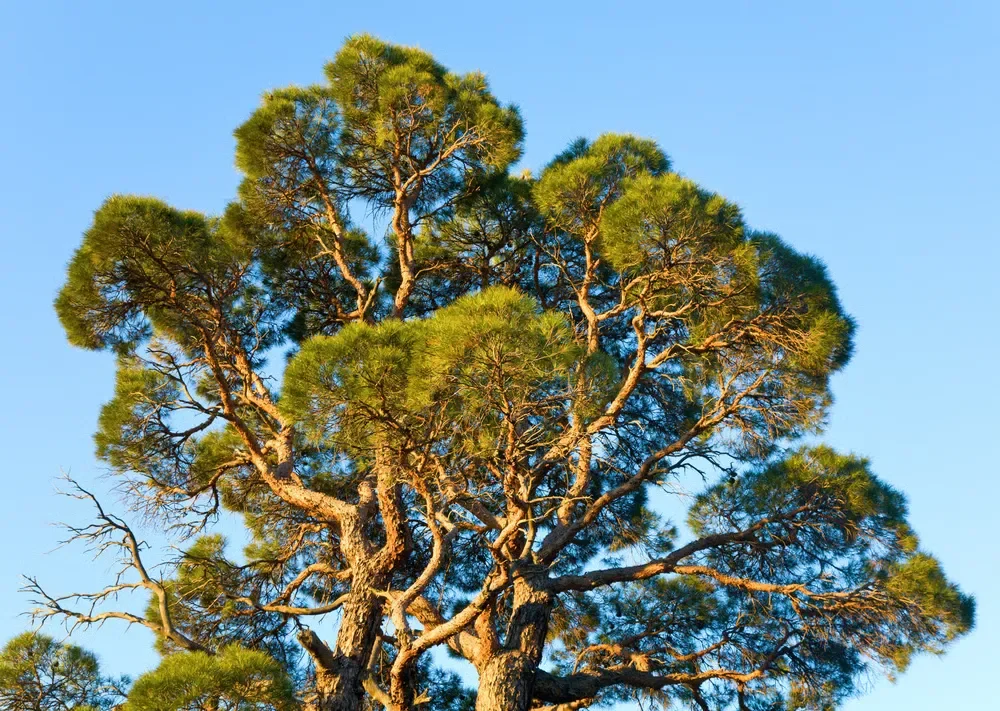
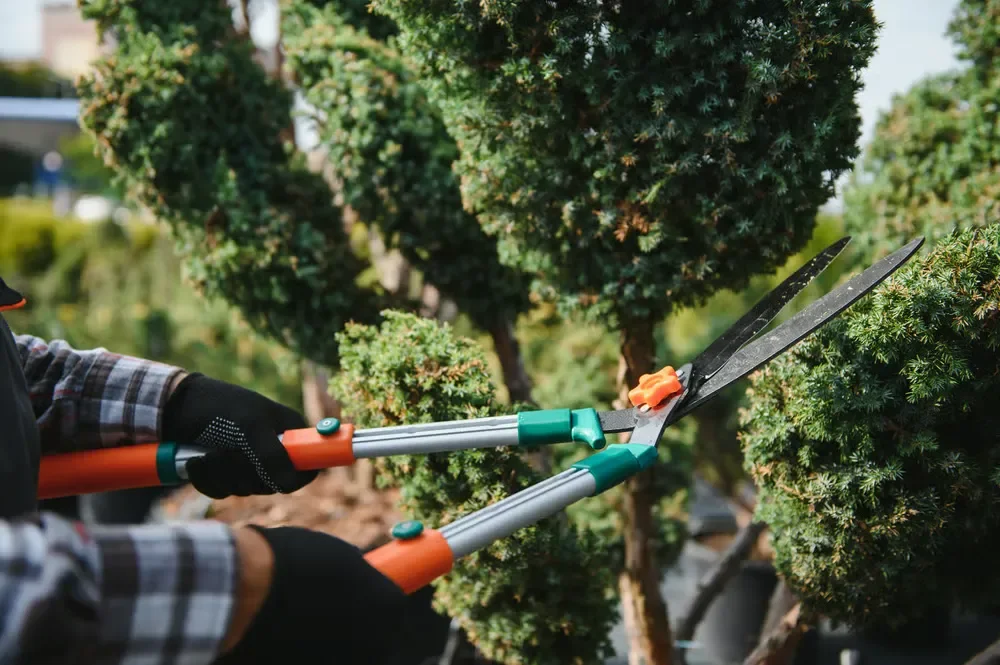
Unlike topping, which involves hacking off the tops of large branches and leaving ugly stumps, crown thinning is a surgical approach. You aren't just cutting for the sake of cutting; you are identifying weak, crossing, or redundant limbs and removing them to let the rest of the tree breathe. It’s the difference between a professional salon layers-cut and someone using hedge shears on their own bangs.
Letting the Light In: Boosting Your Tree’s Internal Health
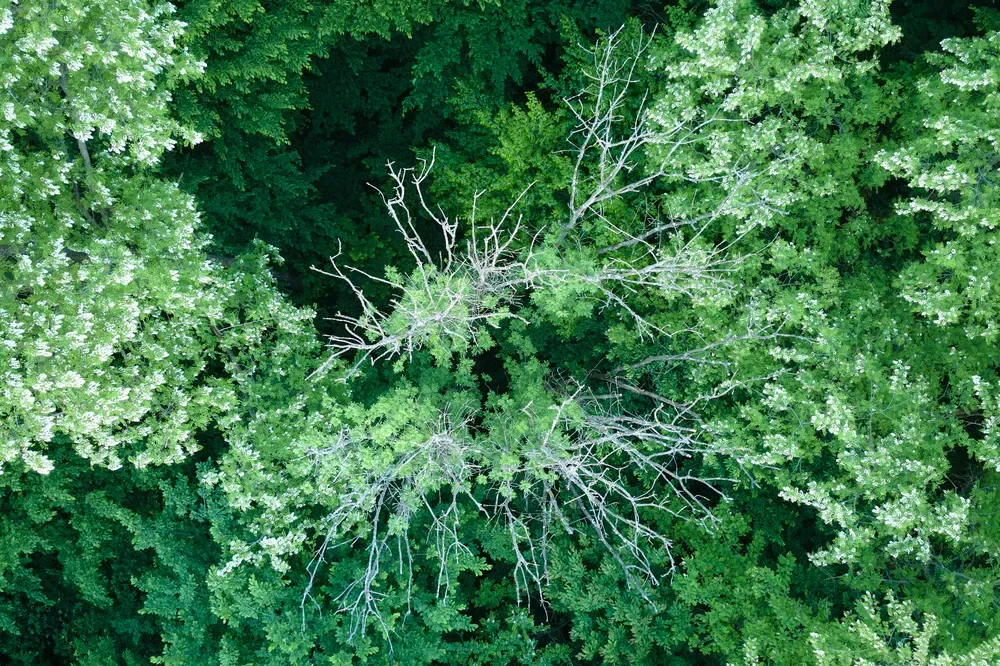
One of the biggest benefits of crown thinning is the massive boost it gives to the tree's internal ecosystem. When a canopy is too dense, the outer leaves soak up all the sun, leaving the inner branches in a permanent state of darkness. Over time, those inner branches wither and die, creating "deadwood" that can attract pests or rot.
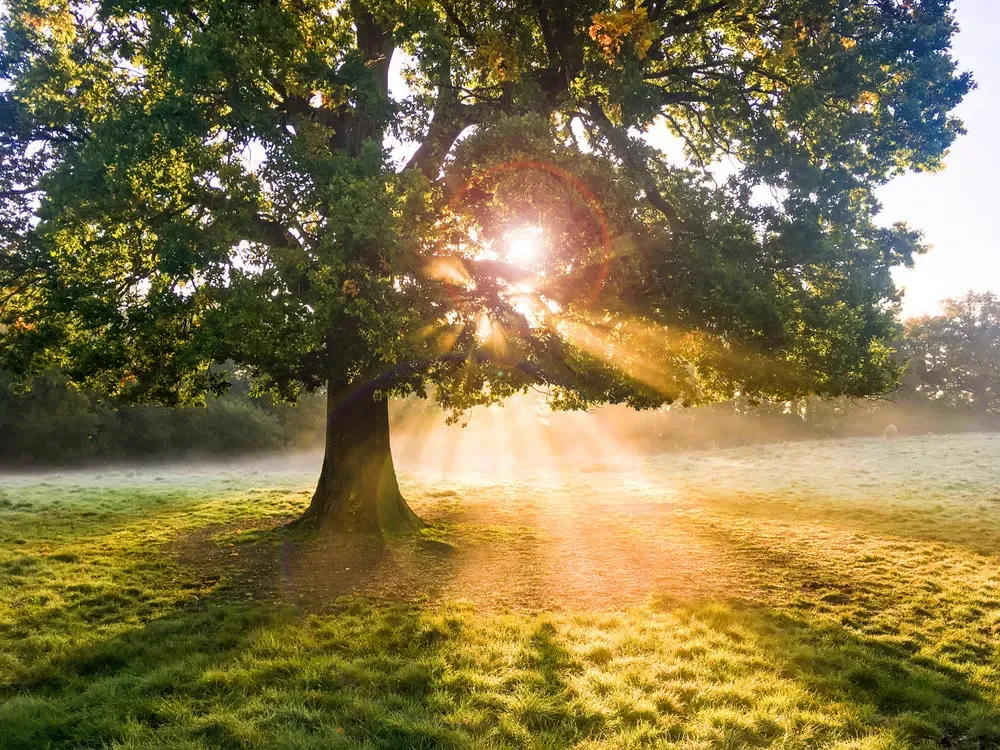
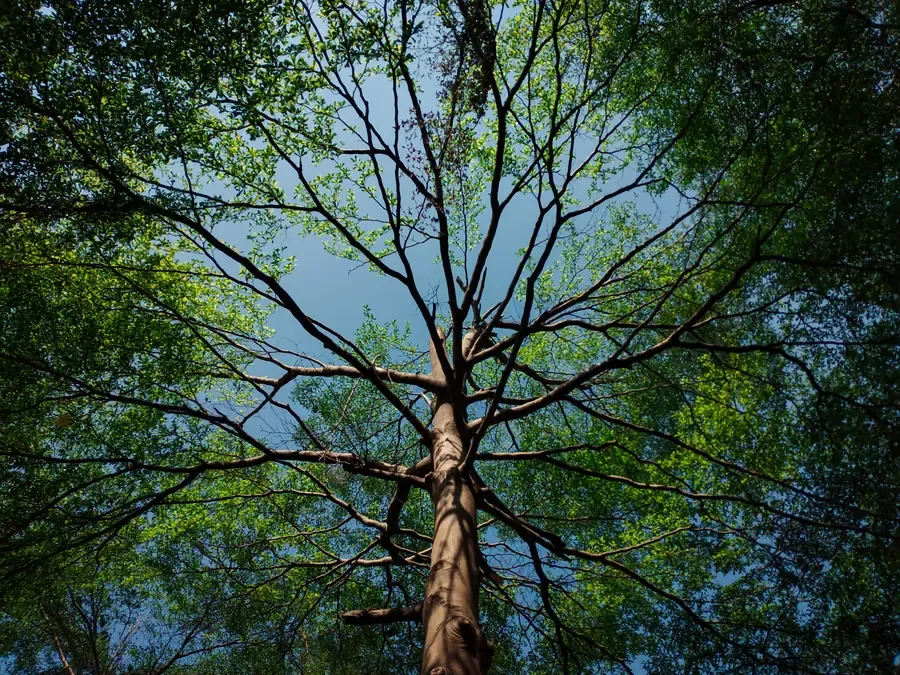
By practicing crown thinning, you allow dappled sunlight to penetrate deep into the center of the tree. This encourages "interior foliage" growth, which makes the tree look fuller and more vibrant from the inside out. Furthermore, better light penetration and increased airflow significantly reduce the risk of fungal diseases. Mold and mildew love dark, damp, stagnant environments—crown thinning turns that environment into a bright, airy space where those issues can't take root.
Dancing With the Gale: Improving Wind Resistance and Safety
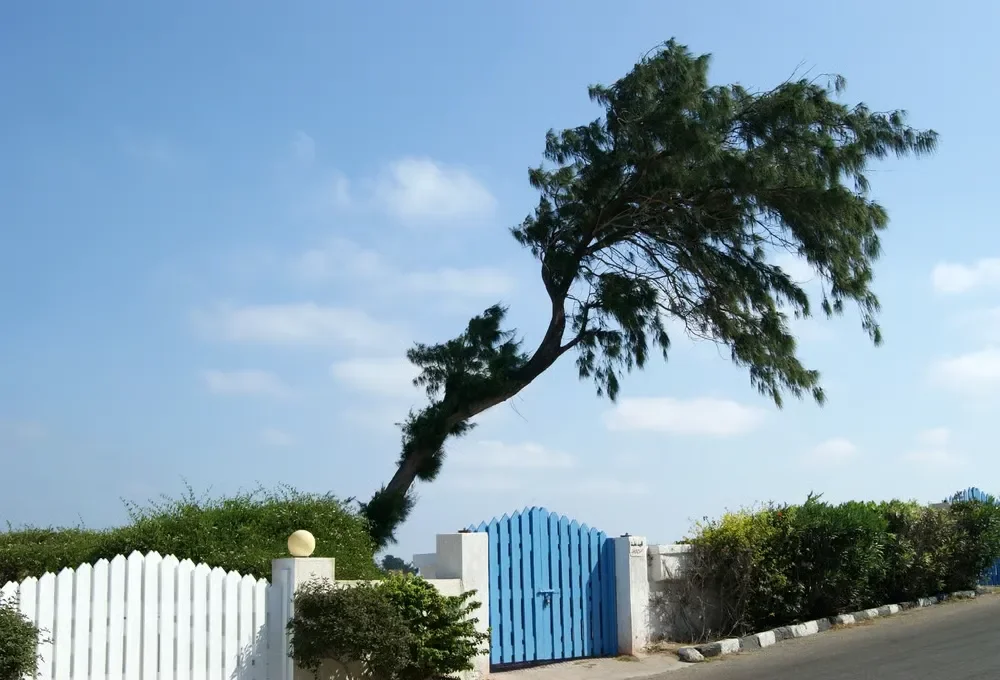
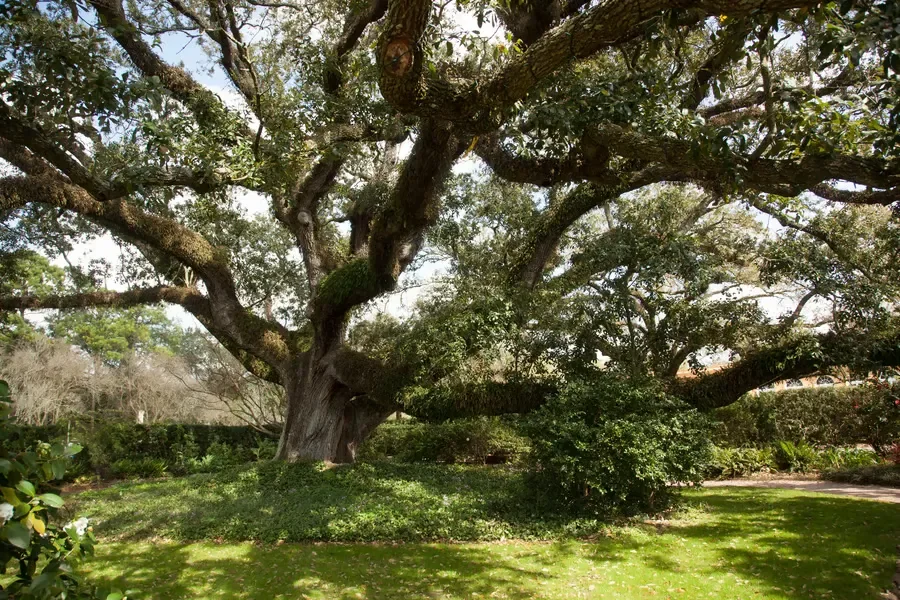
We’ve all seen it during a summer storm: a massive tree catching the wind like a giant green sail, its trunk groaning under the pressure. When a tree is too thick, it offers massive wind resistance. Because the air can't pass through the branches, it pushes against them with immense force, which often leads to snapped limbs or, in the worst cases, the entire tree being uprooted.

Crown thinning solves this by creating "air channels" through the canopy. When the wind kicks up, it can flow through the tree instead of slamming into it. This reduces the "sail effect" and takes the mechanical stress off the trunk and root system. A tree that has undergone crown thinning is far more likely to stand tall after a heavy storm than one that has been topped or left to grow into a tangled mess.
The Hidden Danger: Why "Topping" Is a Recipe for Disaster
It’s worth pausing to talk about why topping is so bad. When you top a tree, you trigger a "panic response." The tree thinks it’s dying, so it sends out hundreds of tiny, weak shoots called "water sprouts" to try and regain its leaves as fast as possible. These sprouts grow incredibly fast, meaning your tree will actually become thicker and messier within a year than it was before you cut it.
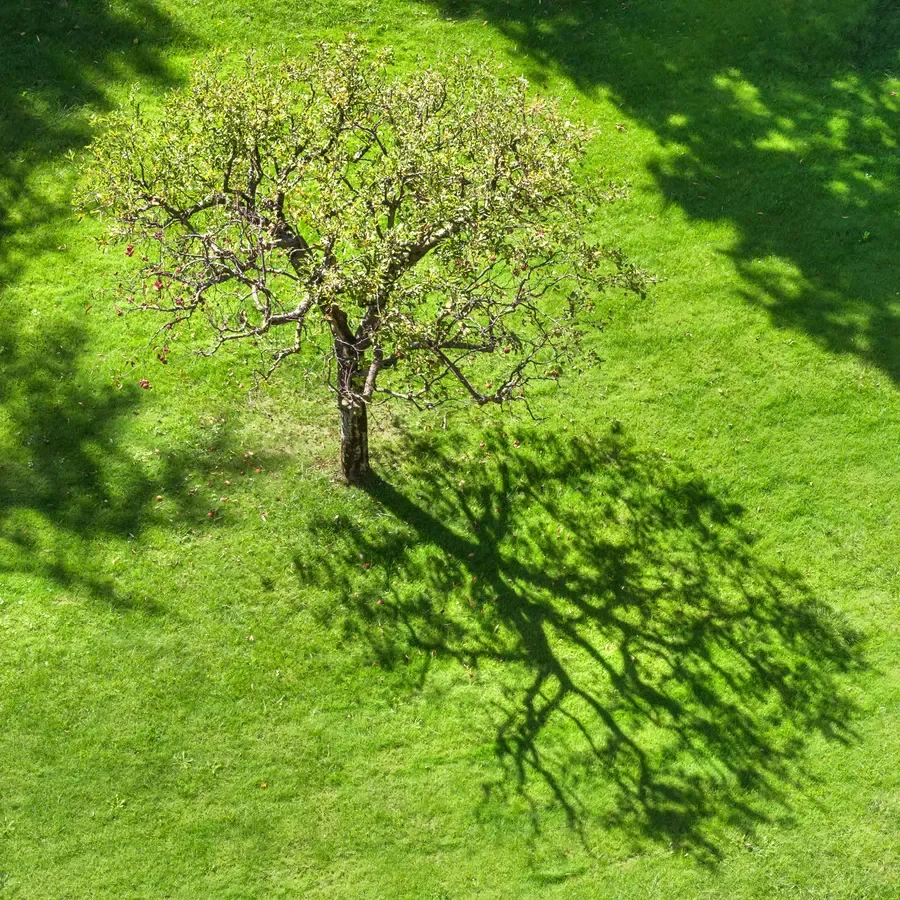
Even worse, these new sprouts are weakly attached to the bark. While the original branches were part of the tree’s deep structural integrity, these new "topped" branches are prone to breaking off in even light winds. Crown thinning avoids this entirely by respecting the tree's natural growth patterns, ensuring that the remaining branches stay strong and well-attached.
Seeing the Forest for the Trees: The Long-Term Aesthetic Value
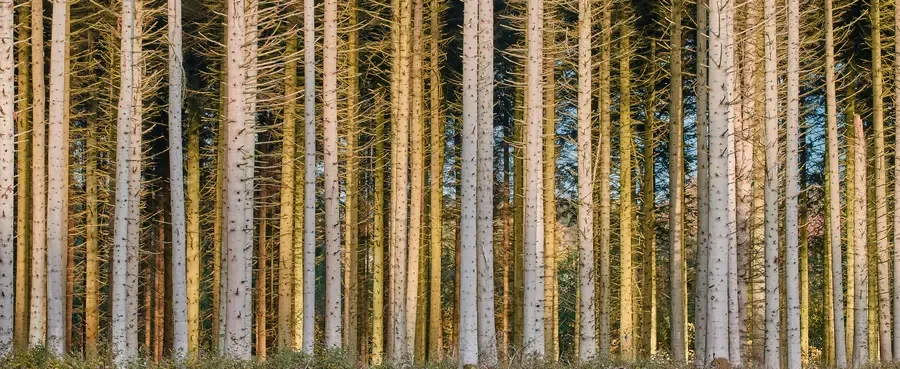
Beyond the health and safety aspects, crown thinning just looks better. A tree that has been thinned retains its majestic, natural silhouette. It looks groomed and cared for rather than mutilated. You get to keep that beautiful "canopy look" while enjoying a clearer view of the sky and less leaf litter clogging up your gutters
It also helps the plants living underneath the tree. If you’ve ever struggled to grow grass or flowers in the shade of a large oak or maple, crown thinning might be your solution. By allowing more light to hit the ground, you can finally have that lush lawn or flower bed you’ve been dreaming of, all while keeping your shade tree healthy.
Final Insights for a Thriving Landscape
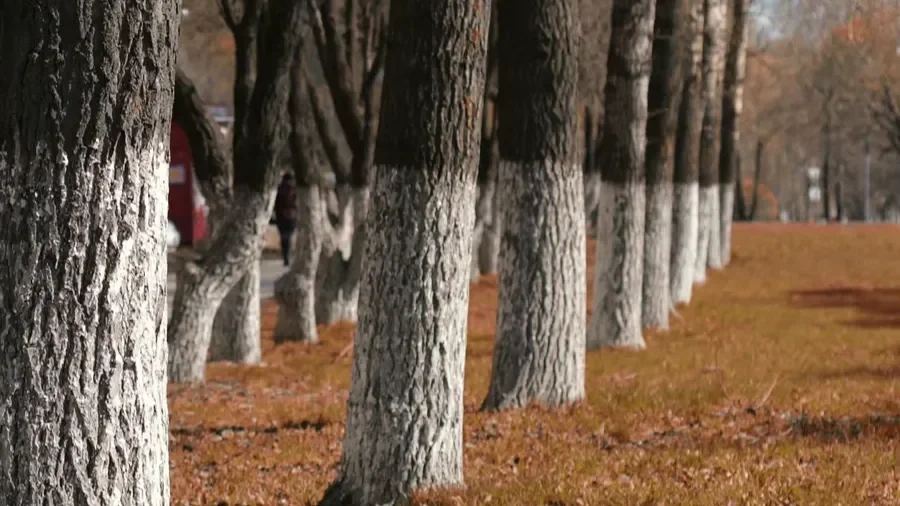
Timing is Everything: Most experts recommend performing crown thinning during the dormant season (late winter or early spring) to minimize stress on the tree and prevent sap loss.
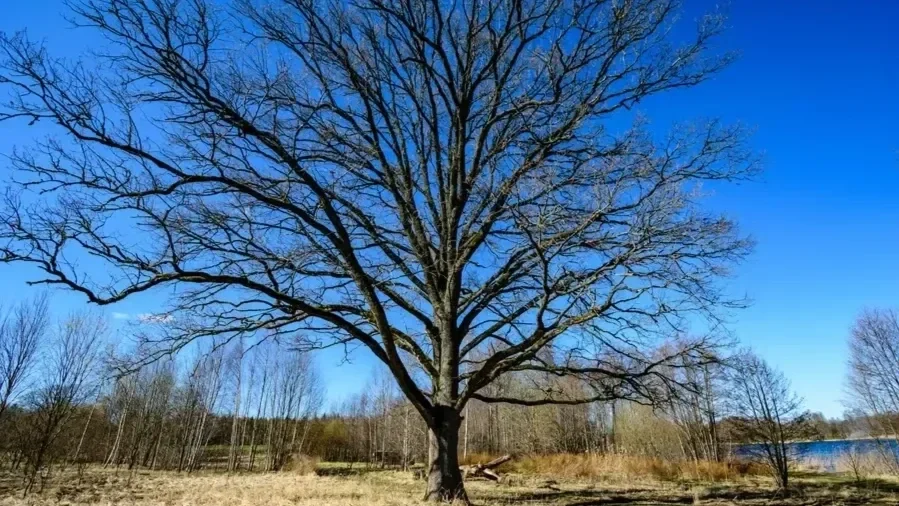
The 25% Rule: Never remove more than a quarter of a tree's leaf-bearing canopy in a single season. Taking too much at once can shock the system and lead to long-term decline.
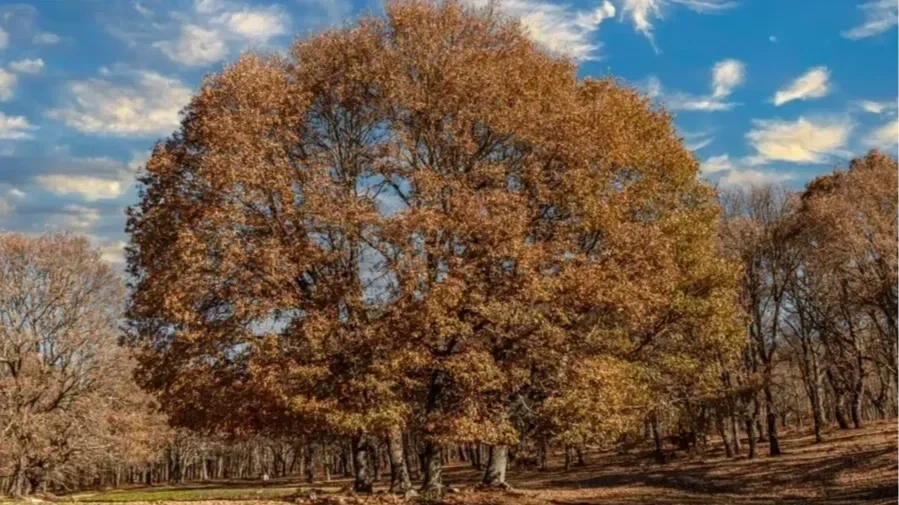
Focus on the "Three Ds": Start by identifying branches that are Dead, Damaged, or Diseased. Once those are gone, you can see the true structure and decide where further thinning is needed.
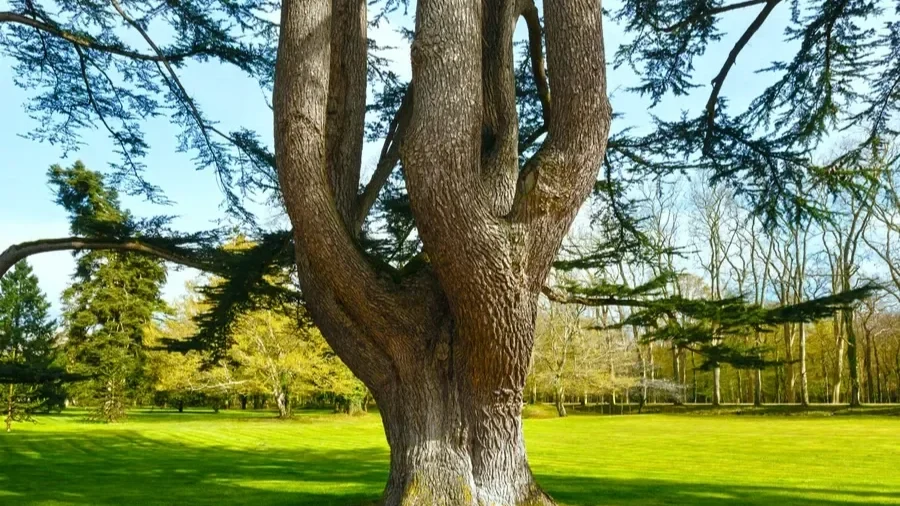
Structural Integrity: Look for "included bark" or V-shaped crotches where branches meet. These are weak points. Crown thinning can help redistribute weight away from these vulnerable areas.
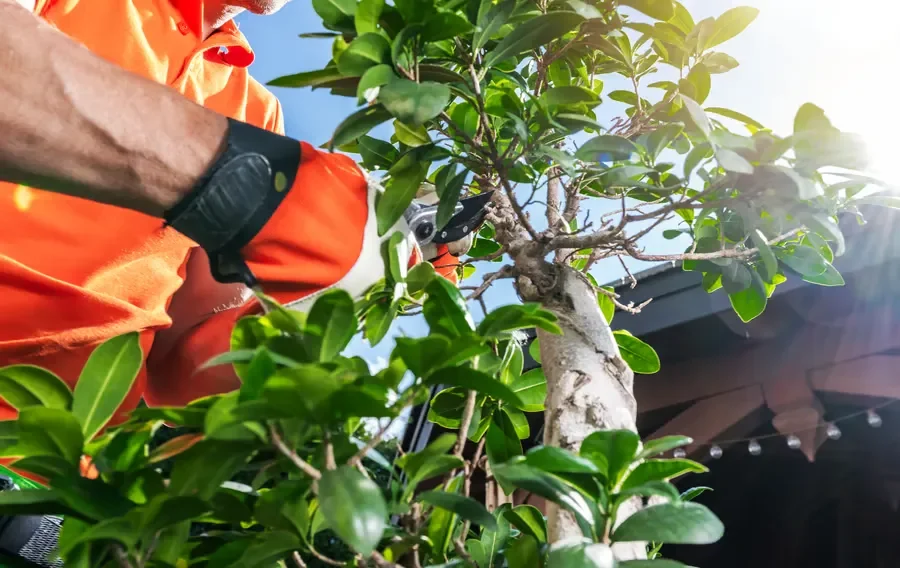
Professional Touch: While homeowners can handle small ornamental trees, large-scale crown thinning on mature giants is a job for a certified arborist who has the right safety gear and "tree logic."
Are your trees looking heavy, overgrown, and vulnerable to summer storms?
Discover the art of professional crown thinning to boost sunlight, improve airflow, and protect your property.
You Might Also Wanted to Read
Lawn Care - FAQs
Get expert answers to common lawn care questions and discover the secrets to maintaining a lush, healthy green yard.
The Modern Lawn: Why Xeriscaping is a High-end Upgrade
Discover why xeriscaping is the ultimate high-end upgrade for a modern, sustainable, and luxury low-maintenance lawn.

The Ultimate Fall Clean Up Checklist
Get your yard ready for winter with the ultimate fall cleanup checklist. Essential steps for a healthy spring lawn.
For additional questions or comments please feel free to call 304-707-0437 or email us at office@cornerstonelawnservices.com.
