Secrets Beneath the Surface: The Magic of Soil Testing

Have you ever paused during a morning walk and looked down at the dirt beneath your boots? To most of us, soil is just, well, dirt. It is the muddy stuff that ruins clean sneakers or the messy material we push aside to plant backyard tomatoes. But beneath that quiet, unassuming surface lies a complex, shifting empire. It is a world of microscopic pockets, packed minerals, and hidden water tables that holds a massive secret: it dictates exactly how our human world is built. Before a single brick is laid, a steel beam hoisted, or a highway paved, engineers must unlock the mysteries of the ground. Welcome to the captivating, vital science of soil testing.
The Invisible Sandbox: Why Ground Stability Matters
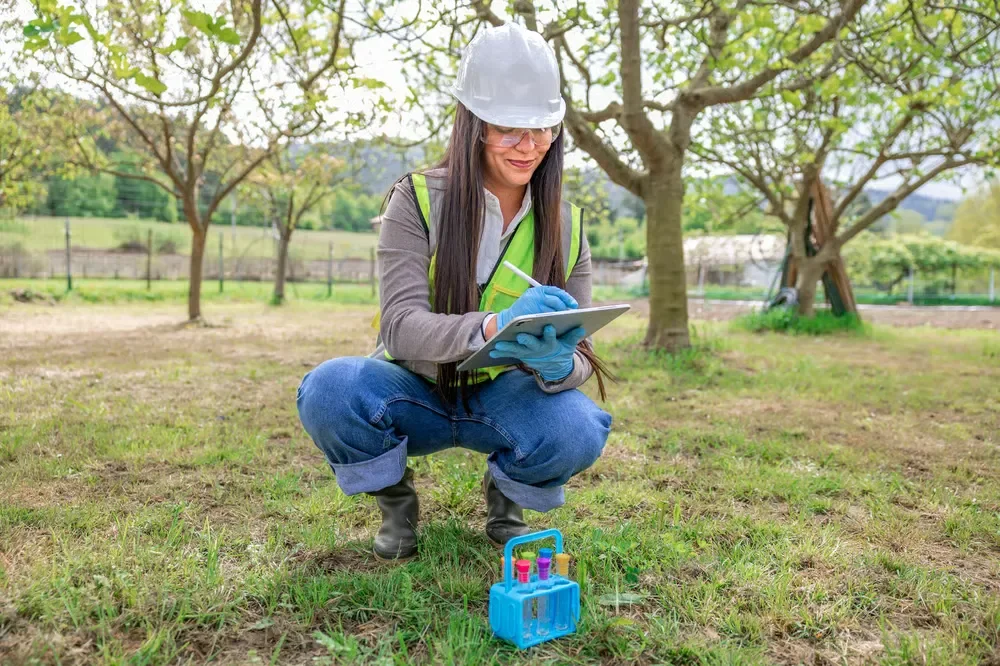
Imagine constructing a beautiful, multi-story dream home, only to watch it slowly tilt like a miniature Leaning Tower of Pisa a few years later. It sounds like a cartoon disaster, but without proper ground inspection, it is an expensive reality. Soil is not a solid block of concrete; it behaves more like a giant, slow-motion sponge. Some layers pack together tightly under weight, while others shift, swell with rainwater, or turn into virtual quicksand when stressed. Soil testing acts as a structural crystal ball, allowing builders to peer into the future and understand exactly how the earth will behave under pressure.

To prevent structural failures, engineers rely on specific field experiments to map out underground strength. One of the most widespread and efficient methods used to probe these hidden layers is the dynamic cone penetration test. By dropping a standard weight onto a metal rod topped with a cone-shaped tip, crews can measure how easily the tool slides into the earth. It gives an immediate snapshot of where the ground is hard and where it might fail.
Probing the Depths: Tools That Taste the Dirt
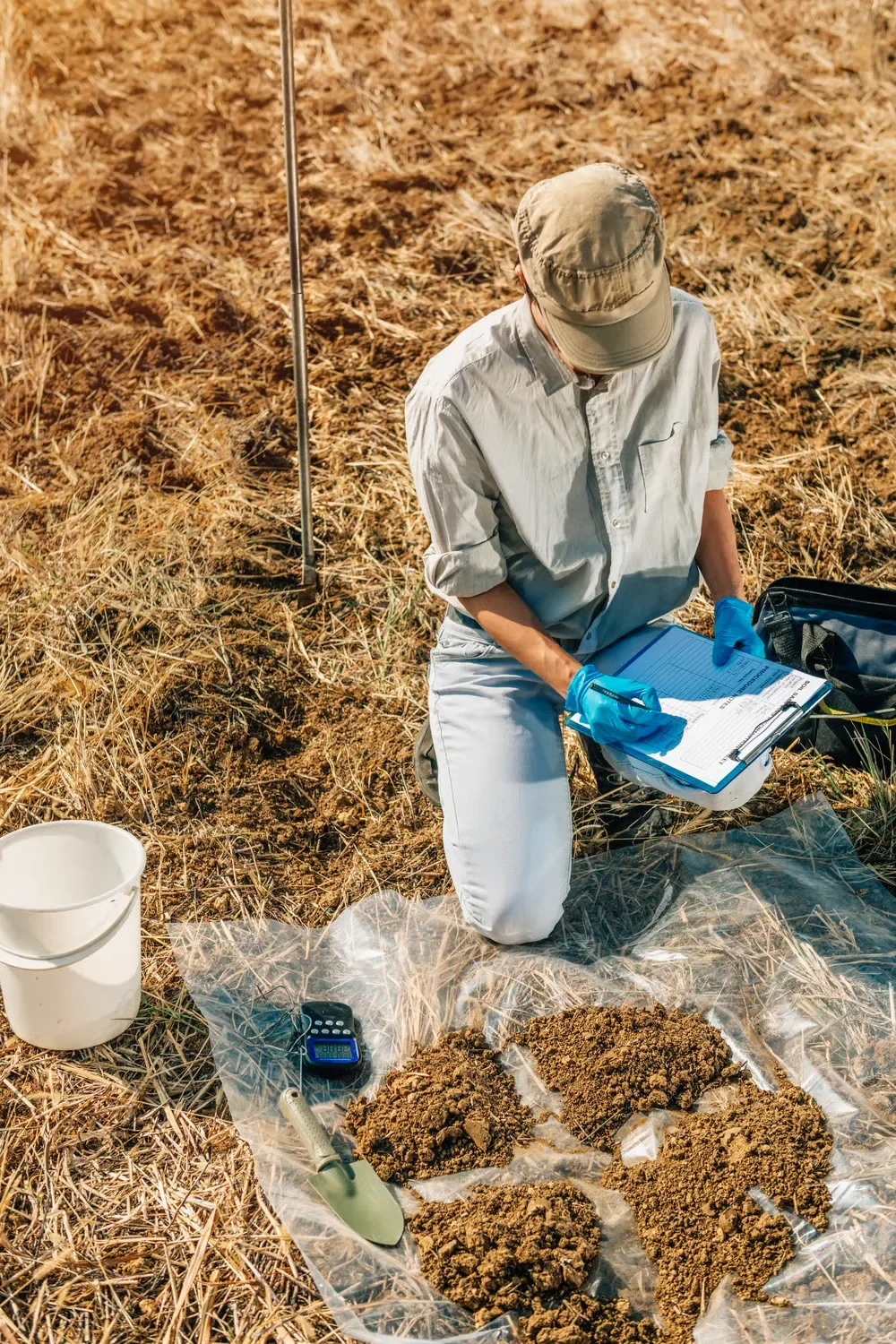
How do we read a story we cannot see? Soil scientists treat the ground like a layered cake, utilizing specialized instruments to slice through the mysteries. They check for grain sizes, moisture levels, and chemical properties that could corrode underground pipes. If the soil is too soft, heavy structures will sink. If it has too much clay, it will expand violently during winter storms and shrink during summer droughts, cracking foundations like brittle glass.
To avoid these nightmares, field operators frequently utilize the dynamic cone penetration test at various points across a building site. This straightforward technique allows teams to quickly evaluate shallow soil layers without dragging massive, expensive drilling rigs onto fragile terrain. The data gathered from the test shows exactly where soft pockets hide, allowing developers to fortify weak zones before pouring a drop of cement.
The Mechanical Strike: Hard Physics on Soft Ground
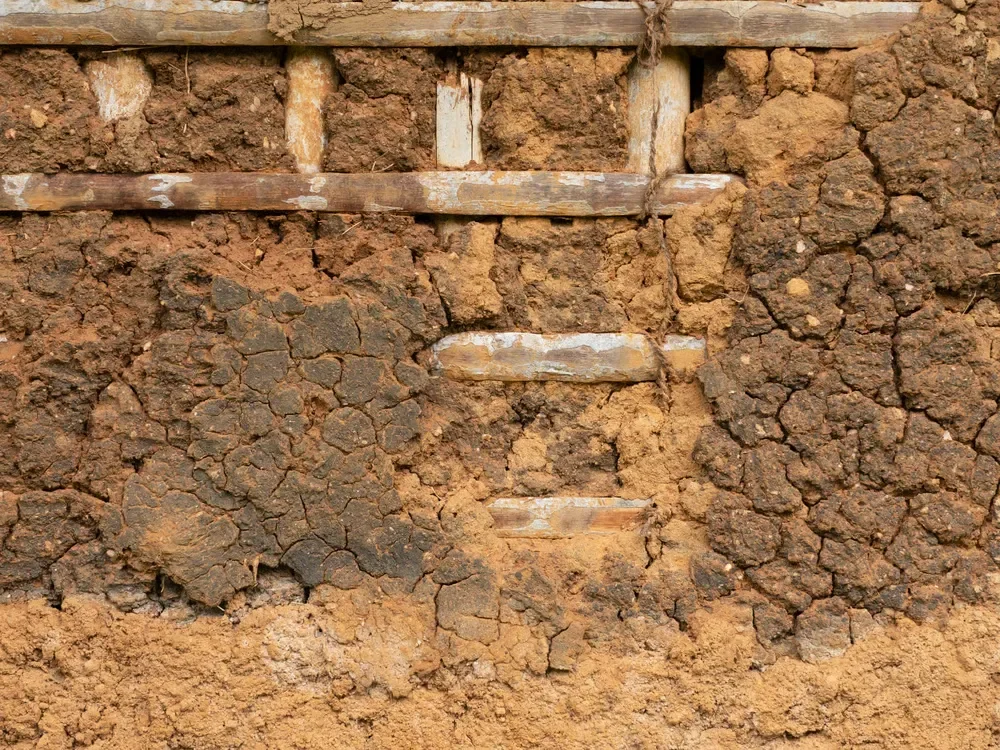
Understanding soil strength requires a bit of muscle mixed with smart physics. We need to know how much resistance the earth offers when something heavy pushes against it. This resistance determines whether a site needs deep, expensive concrete pillars or if a standard, shallow foundation will do the trick perfectly. Getting this wrong can mean millions of dollars in future repairs or devastating structural failures.
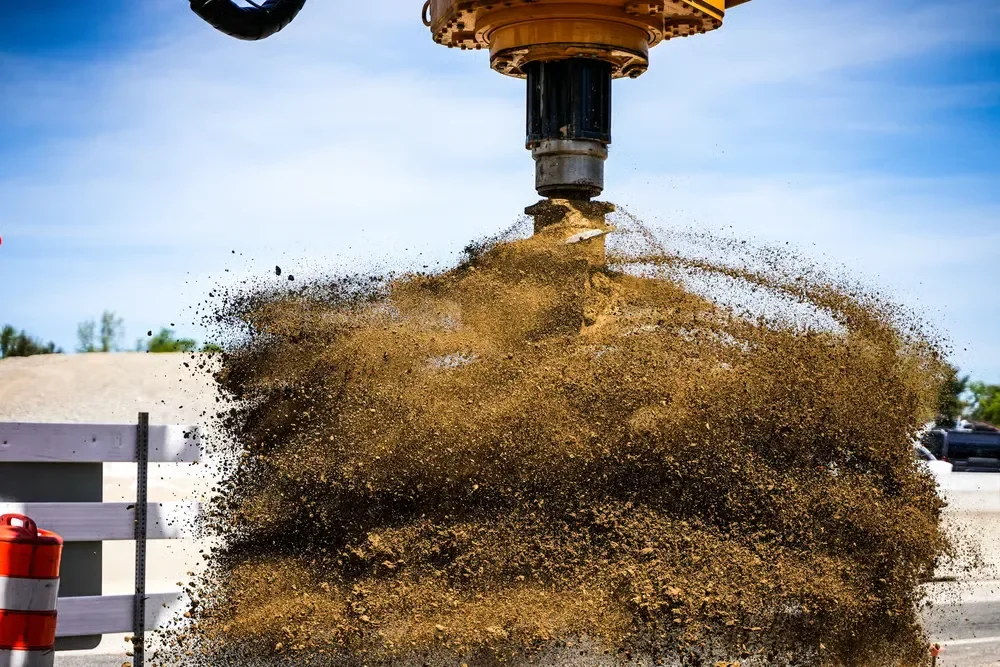
This is where the practical utility of the dynamic cone penetration test becomes incredibly valuable for on-site crews. By recording the exact number of strikes required to drive the metal cone deeper into the earth, engineers calculate a precise strength profile. The fewer strikes it takes to push through a layer, the softer and more hazardous that specific layer is. This simple, elegant mechanical strike takes the guesswork completely out of the equation.
Sifting the Truth: Laboratory Alchemy vs Field Reality

While pounding rods into the ground provides great raw data, true soil science is a two-part harmony between rugged outdoor fieldwork and precise indoor laboratory analysis. Back in the lab, scientists dry soil samples in specialized ovens, shake them through intricate wire sieves to separate fine dust from coarse gravel, and even bathe them in chemicals to check acidity levels. This reveals the precise personality of the dirt.
Now, lab tests take time, and construction projects move fast. That is why matching laboratory findings with rapid on-site tools like the dynamic cone penetration test is so essential. While the lab explains why a soil behaves a certain way based on its mineral makeup, the on-site penetration analysis shows exactly how that behavior manifests in real-time under a heavy load. Together, they create an unbreakable safety net for modern architecture.
Lawn Turnaround: Final Insights for the Road
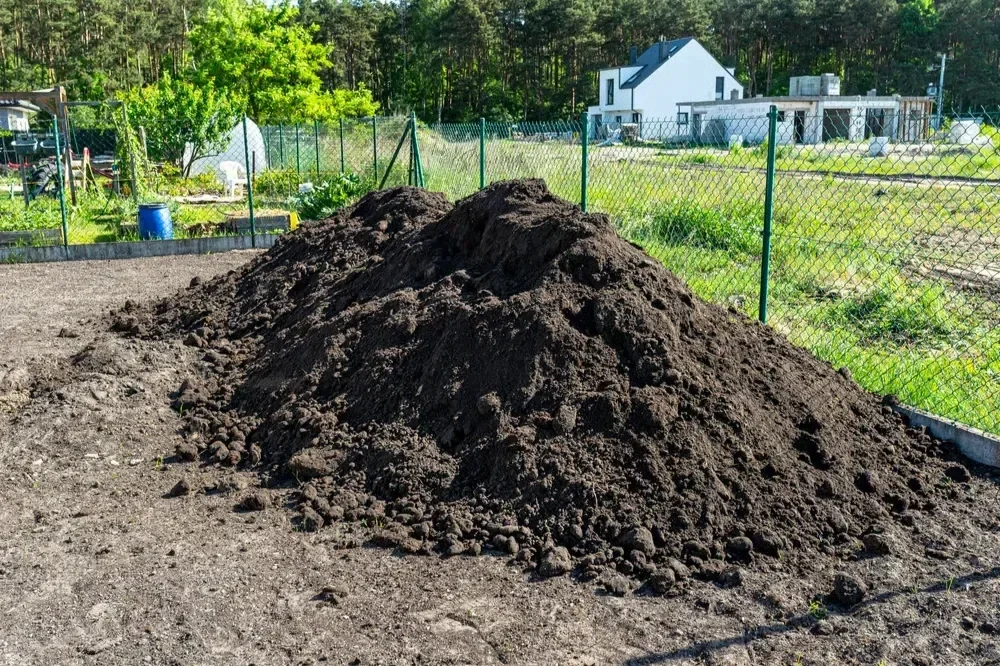
Avoid the Sand Trap: A common myth is that adding sand to clay will fix drainage. In reality, sand + clay + water = natural concrete. Never add sand to heavy clay; always stick with organic compost.
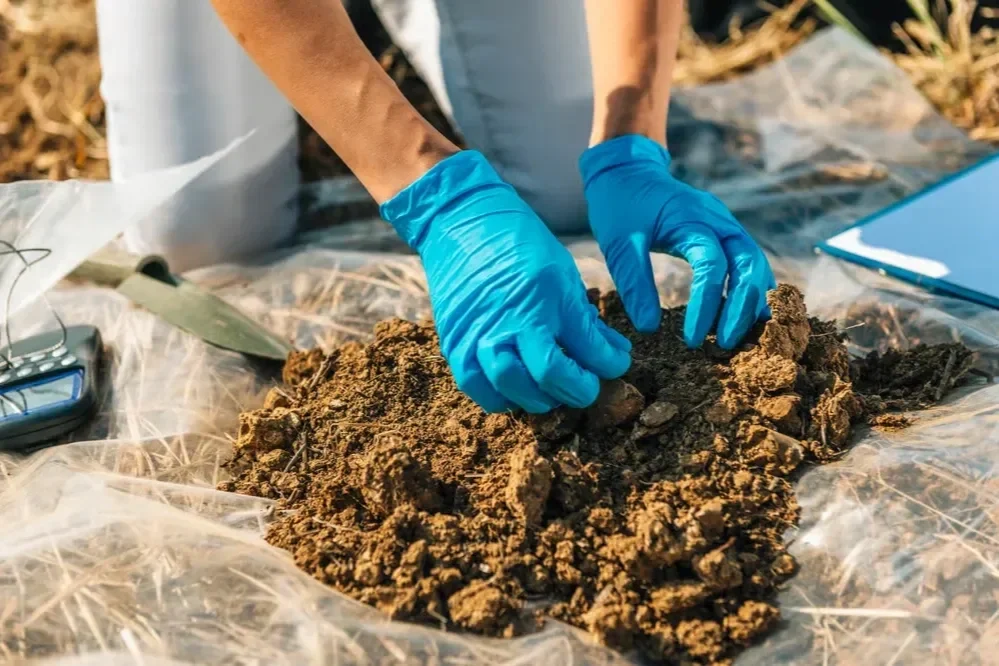
The Squeeze Test: Take a handful of moist soil and squeeze it. If it stays in a tight, shiny ball, you have high clay content. If it crumbles slightly, your clay soil remediation efforts are working!
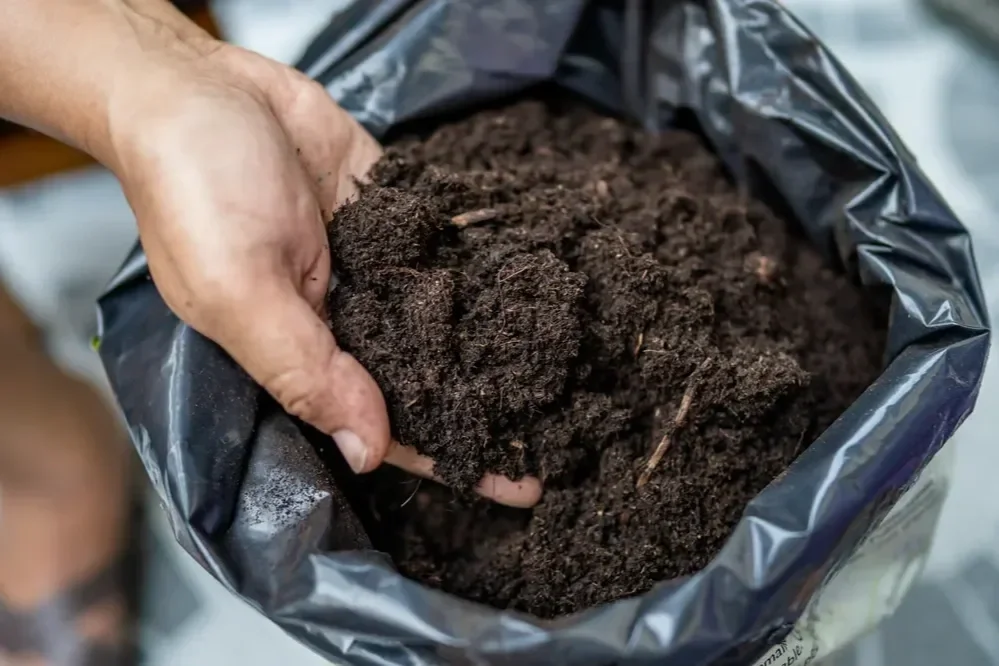
Quality Over Price: When buying compost, make sure it’s "finished." It should smell like a forest floor, not like ammonia or trash. Unfinished compost can actually "rob" nitrogen from your grass.
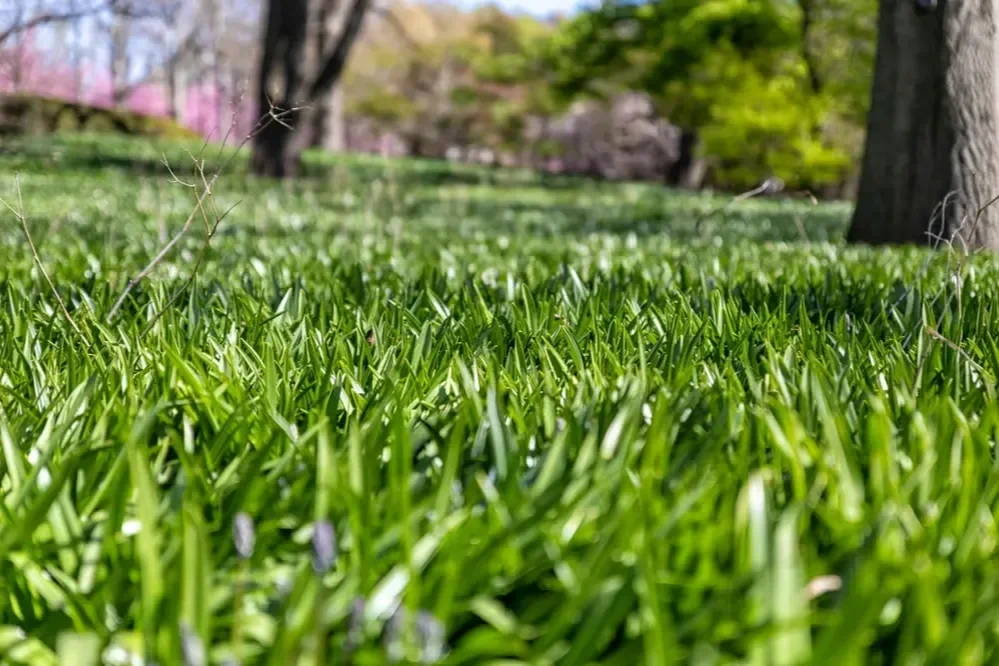
Mow High: Keeping your grass a bit longer (3.5 to 4 inches) encourages deeper root growth. Those roots act like tiny jackhammers that help break up clay from the inside out.
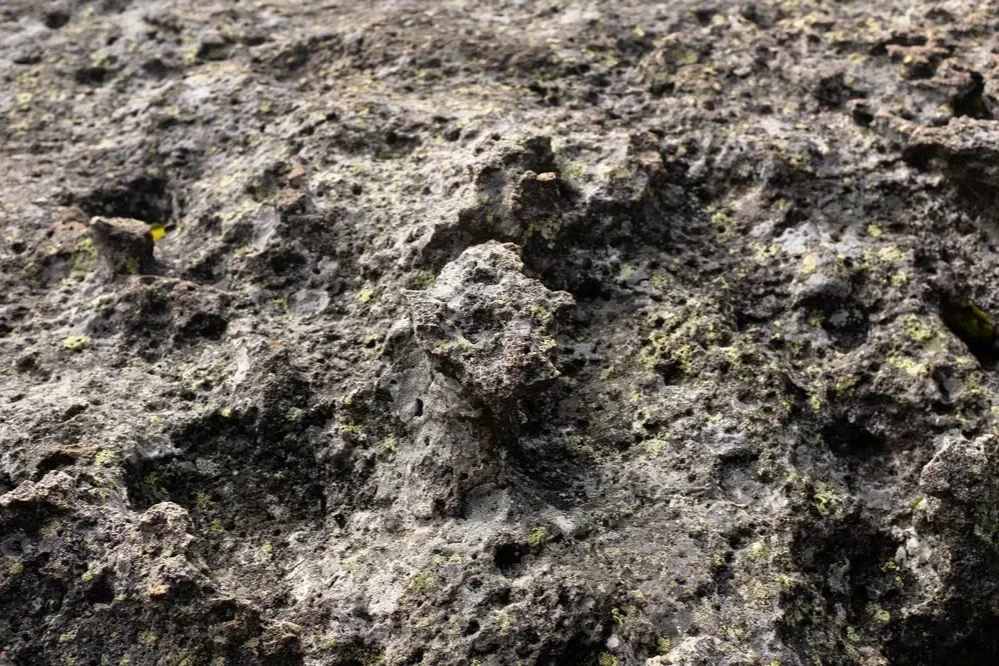
Check for Grubs: Sometimes "bad" soil is actually just a pest problem. If your soil feels "spongy" but the grass is pulling up like a carpet, check for grubs before you start your amendment process.

Are You Wondering Why Your Plants Aren't Thriving Or What Your Garden Really Needs?
Our expert Cornerstone team is here to help you unlock the potential of your "hidden foundation" before the next planting season begins.
You Might Also Want to Read
Lawn Care - FAQs
Get expert answers to common lawn care questions and discover the secrets to maintaining a lush, healthy green yard.
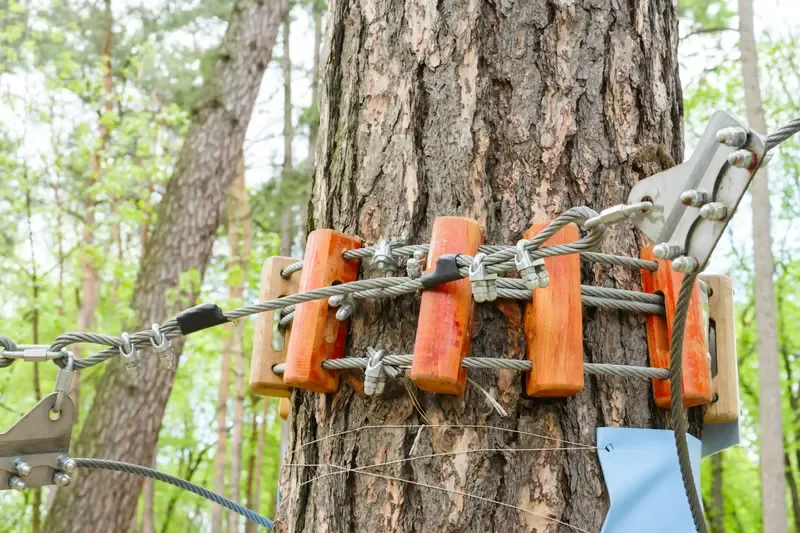
The Simple Guide to Tree Cabling
Protect your large trees from structural failure with expert tree cabling. Support weak limbs and ensure property safety.

The Ultimate Fall Clean Up Check list
Get your yard ready for winter with the ultimate fall cleanup checklist. Essential steps for a healthy spring lawn.
For additional questions or comments please feel free to call 304-707-0437 or email us at office@cornerstonelawnservices.com
