Your Backyard Is Not as Safe as You Think
The weeds growing along your fence right now could be burning your kids, choking your pets, and destroying your lawn.
You've probably spent real money making your backyard comfortable. The grill, the patio furniture, the swing set, the string lights. You've put thought into it because it matters to you.
But here's what most homeowners never do: walk the edges of their yard and actually look at what's growing there.
That gap — between the effort you put into your outdoor space and the attention you give to what's quietly growing in it — is where the problem lives. Some of the most harmful plants in the United States aren't deep in the wilderness. They're in backyards just like yours, in neighborhoods just like yours, in nearly every state across the country.
And the longer you don't know what they are, the more time they have to spread.
What You're Probably Already Living With
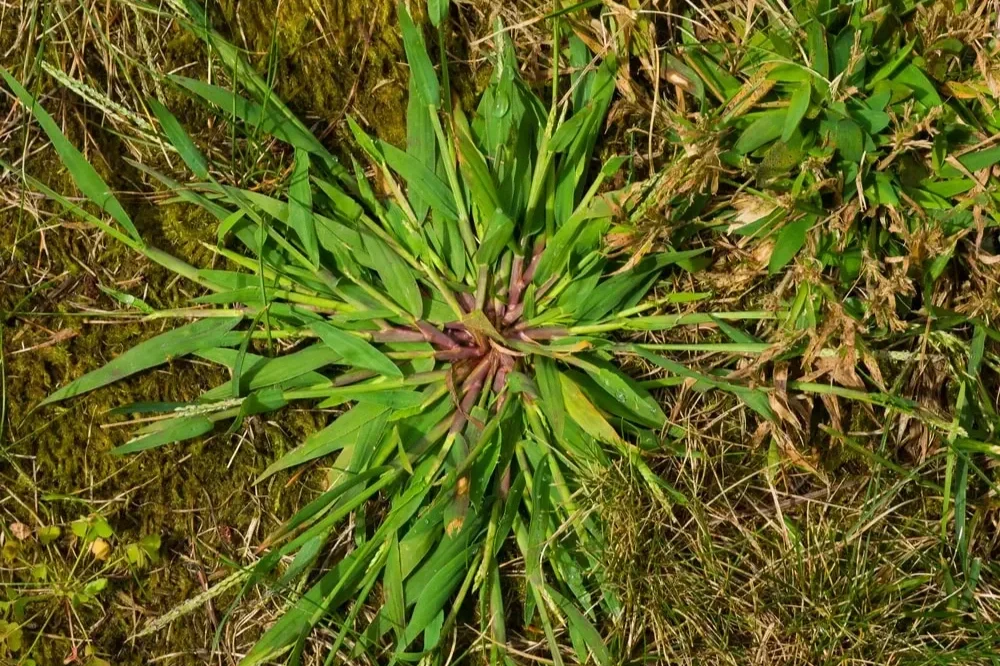
Photo Courtesy: www.meadowsfarms.com
Crabgrass
The Lawn Wrecker If your lawn has rough, scratchy patches that feel nothing like the rest of your grass, you've already met crabgrass. It grows in all 50 states and it's the most complained-about lawn weed in America — and for good reason. One single plant drops over 150,000 seeds before the season ends. It crowds out your soft lawn grass, leaves bald patches behind, and creates the kind of uneven ground that sends barefoot kids stumbling.
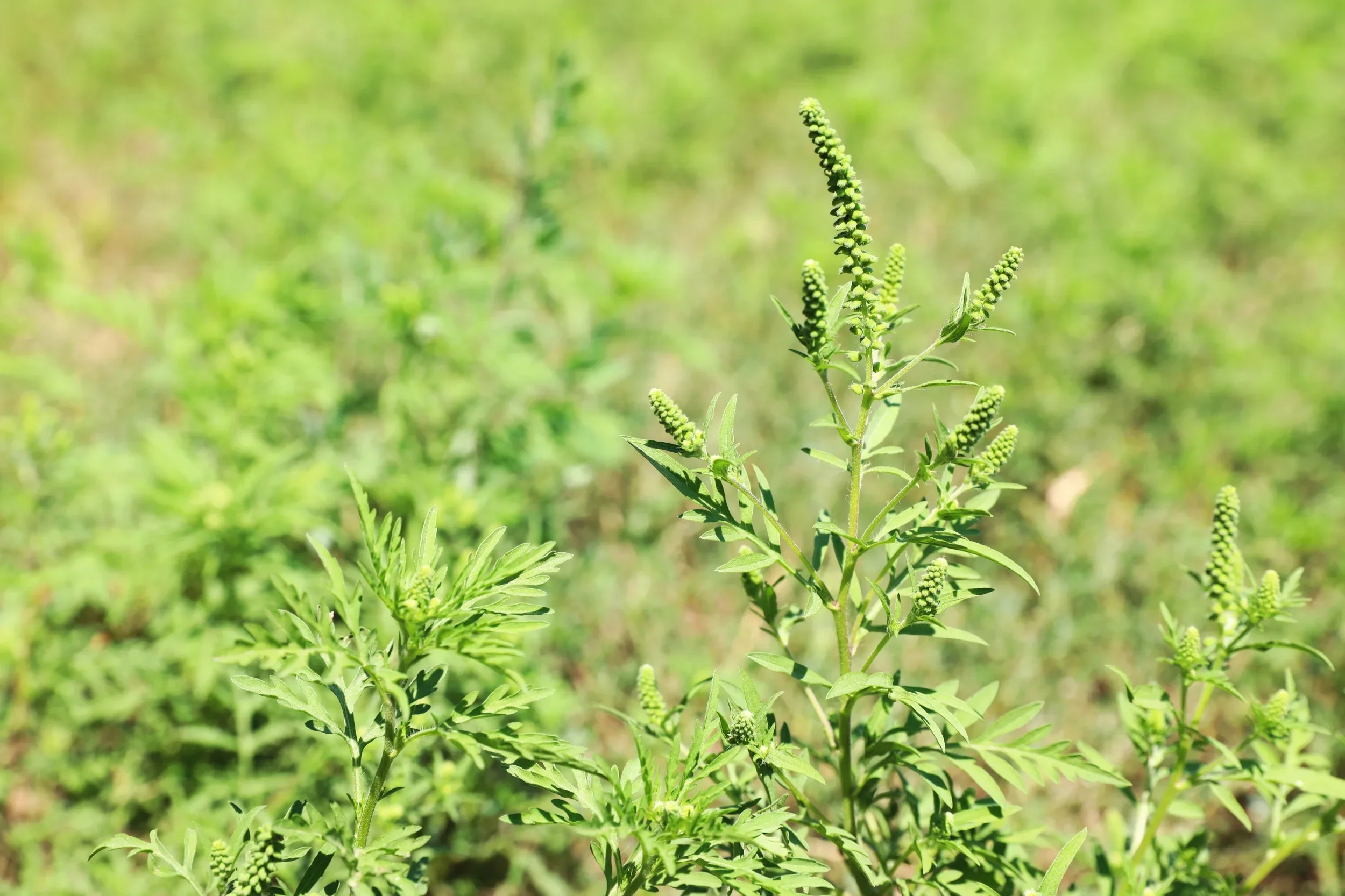
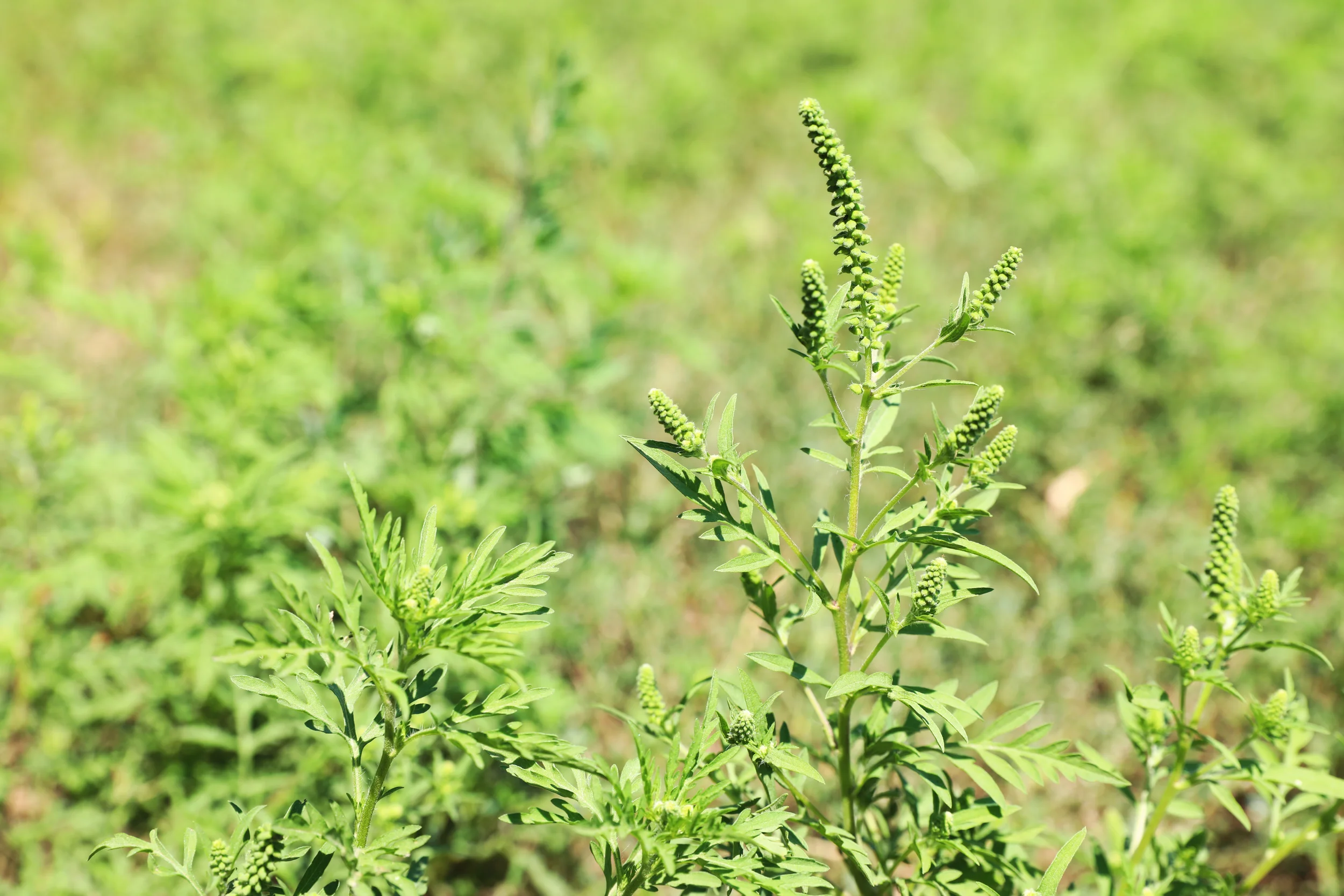
Common Ragweed
The Reason You Can't Breathe Outside You might not recognize ragweed by sight — it looks like a harmless wild plant with lacy, feathery leaves. But if you or anyone in your family spends late summer sneezing, rubbing itchy eyes, or struggling to breathe outside, there's a good chance ragweed is the reason. It's the number one cause of hay fever in the United States, affecting around 26 million Americans every year. One plant releases up to one billion pollen particles per season — right into the air around your home and your family.
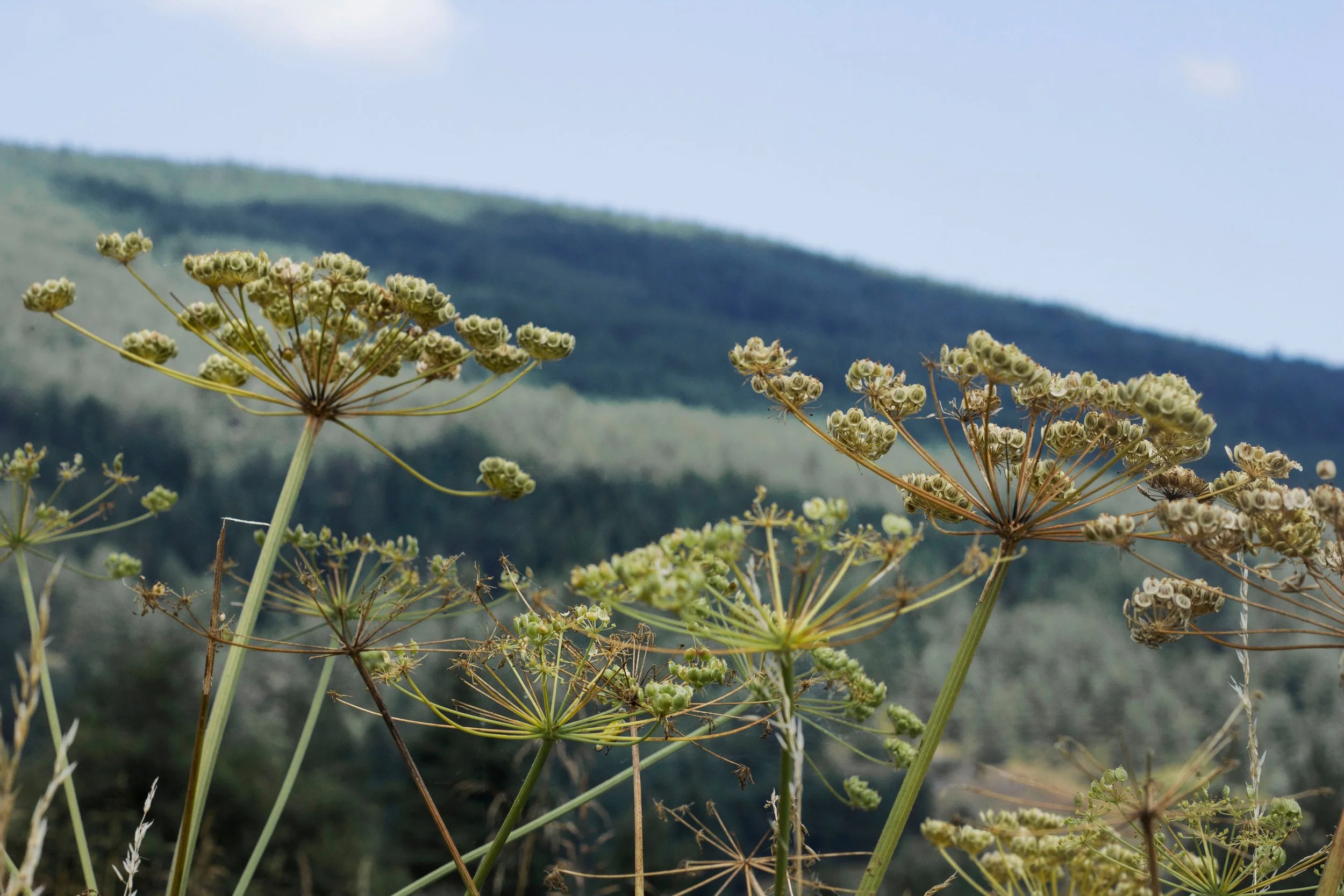
Giant Hogweed
The One You Really Need to Know About
If you live in New York, Pennsylvania, Michigan, Ohio, Virginia, or several other states, this one could already be in your neighborhood. The USDA has declared it a federal noxious weed, and for good reason. It can grow up to 15 feet tall and looks almost impressive — huge white umbrella-shaped flowers, thick stems. But if its sap touches your skin and you step into sunlight, you can develop serious chemical burns, blistering, and scarring. Do not touch it. Do not mow over it — the mower blades can spray the sap into the air where you'll breathe it in or get it on your skin. If you think you've spotted it, call your local extension office.
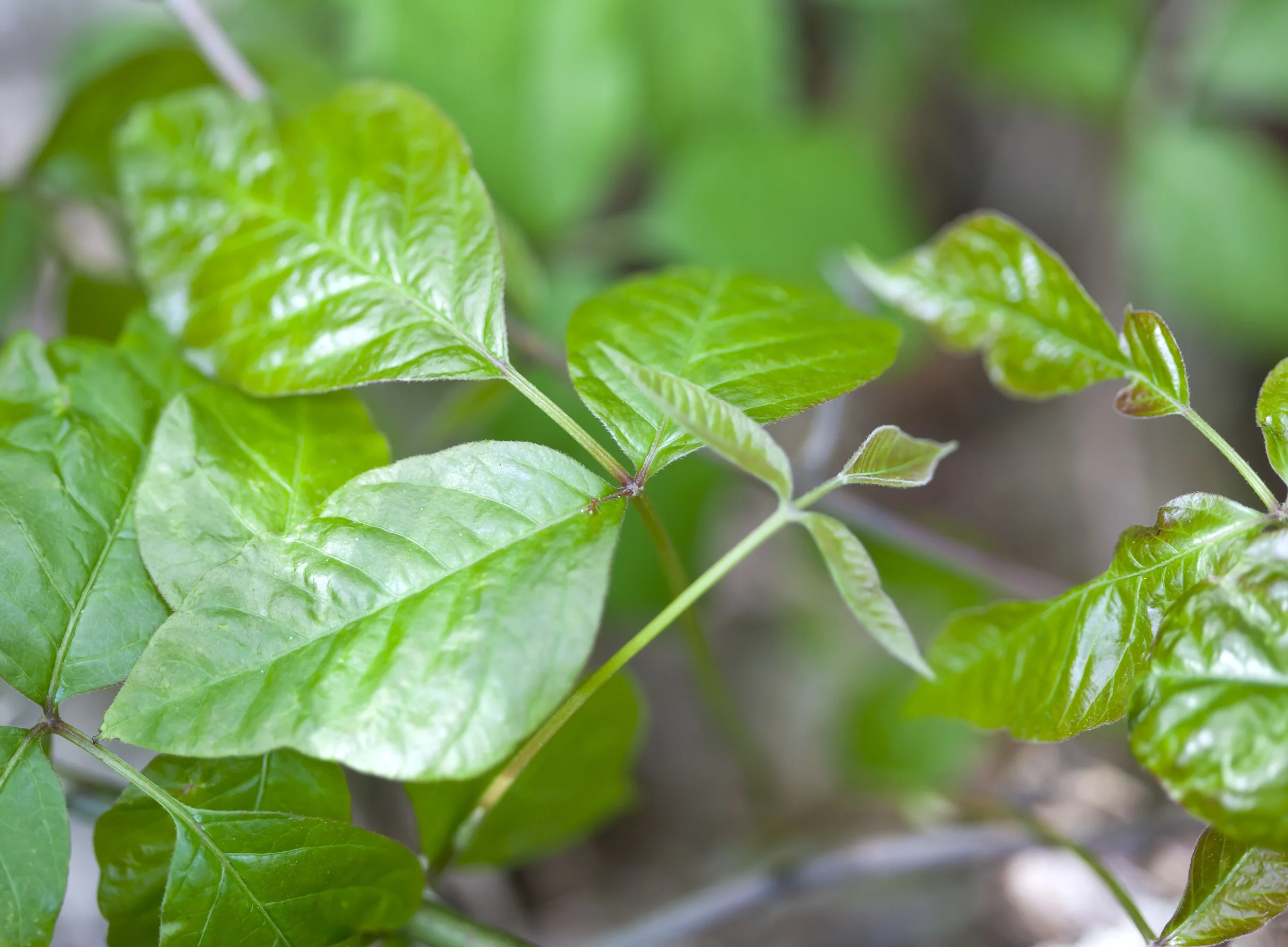
Poison Ivy
The One You Think You'd Recognize (But Might Not) You've heard "leaves of three, let it be." But poison ivy is better at hiding than most people give it credit for. It grows in every US state except Alaska and Hawaii, and it doesn't always look the same — it can be a low ground cover, a climbing vine, or a small shrub tucked into your garden border. Its invisible oil sticks to your skin, your clothes, and your pet's fur. Your dog can brush against it on a walk, come home, jump on your couch, and transfer it to you — and you won't know until the rash shows up days later. The FDA estimates it causes about 50 million allergic reactions in Americans every year.
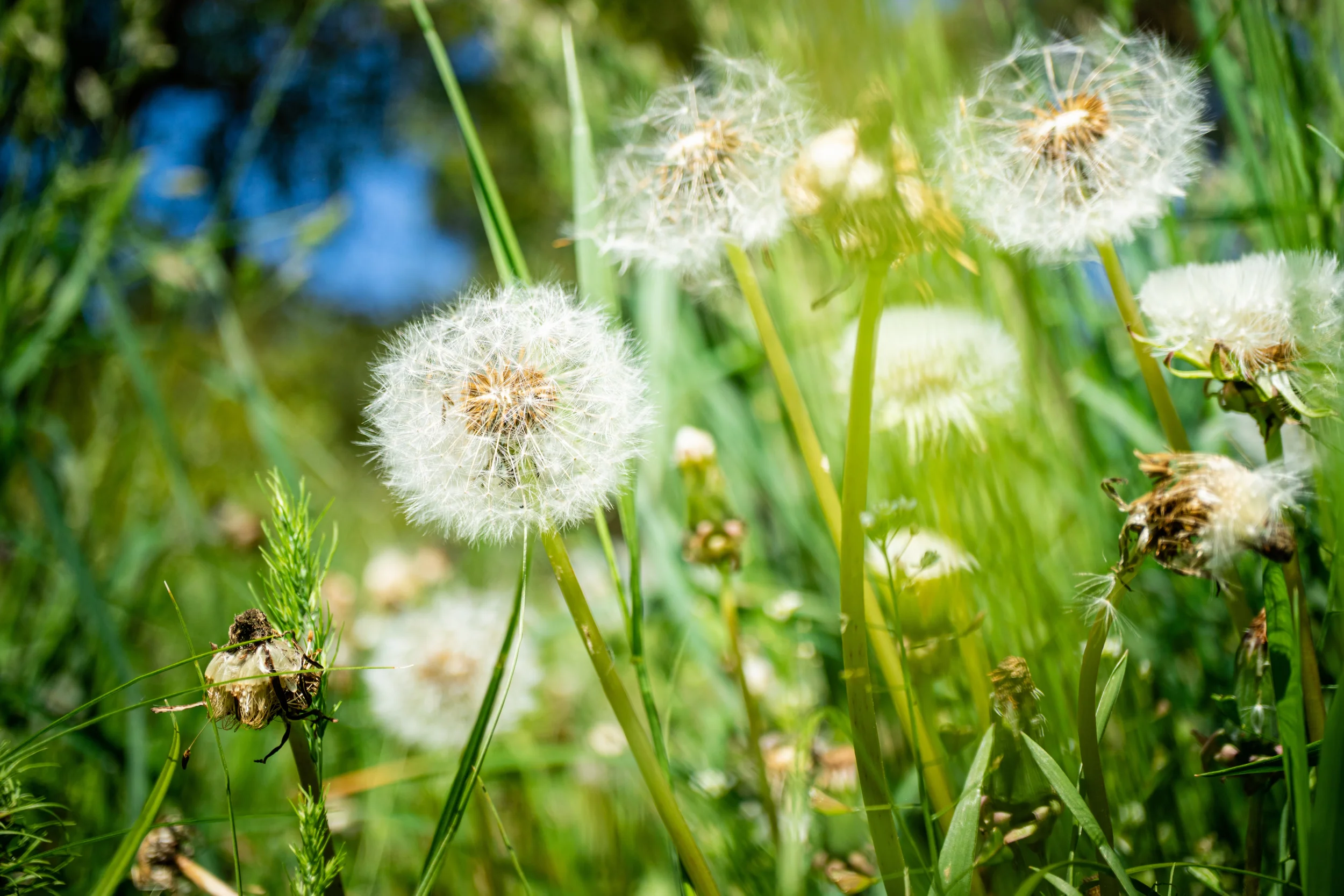
Dandelion
Friendlier Than It Looks, But Still a Problem You probably don't fear dandelions, and fair enough — they're not going to hurt you. But if you care about your lawn, you should know what they're quietly doing to it. Their deep roots pull water and nutrients straight from your grass, and those fluffy white seed heads travel up to five miles on the wind. The dandelion you ignore today becomes dozens next spring, and dozens becomes a lawn problem that takes real effort to undo.
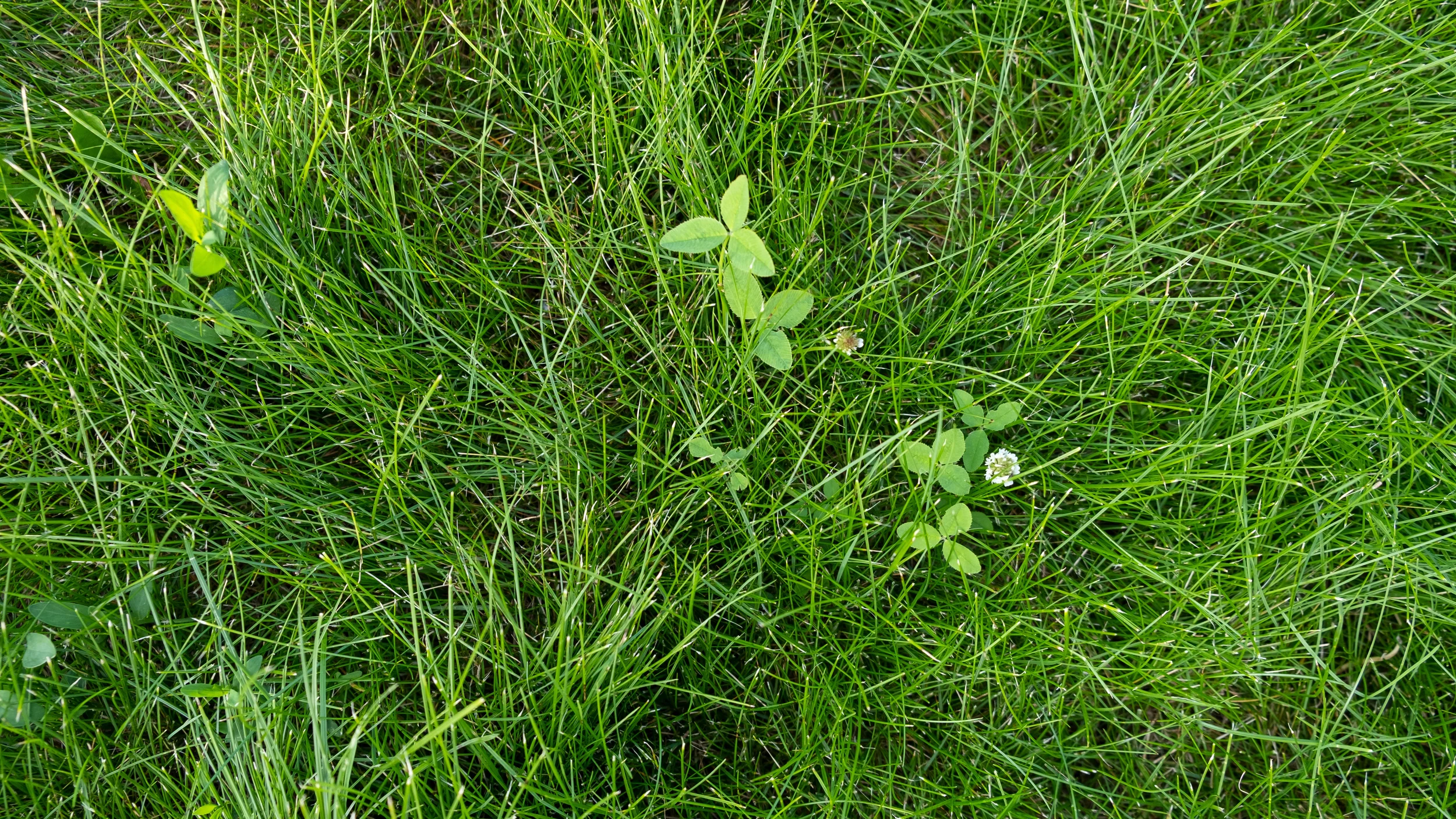
What These Plants Are Doing to Your Family Right Now
This isn't just about how your yard looks. It's about what your family is breathing, touching, and coming into contact with every time they step outside.

Your allergies and your kids' asthma may be getting worse because of your yard. The American College of Allergy, Asthma & Immunology identifies ragweed as the single biggest outdoor allergy trigger in the country, peaking between August and October. If you or your child has asthma, weed pollen doesn't just cause sneezing — it can trigger serious flare-ups serious enough to require medical attention.
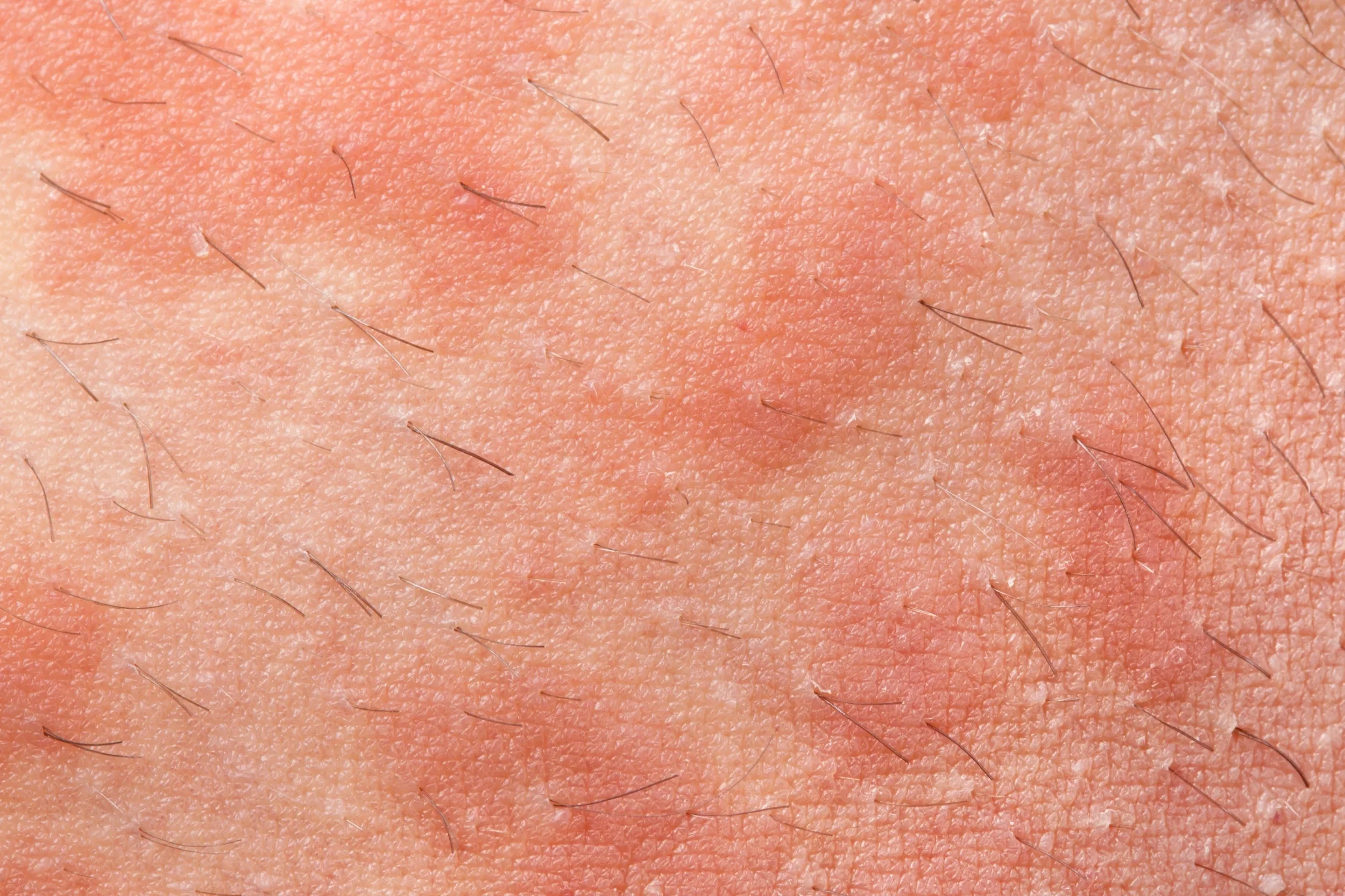
Your skin is more at risk than you realize. Giant Hogweed — a related plant spreading across the Midwest and Northeast — contain chemicals that react with sunlight to cause burns that can scar permanently. You don't have to do anything careless to get hurt. Simply brushing against them and then stepping into the sun is enough.

The innocent yellow flower in your lawn could be hiding a chemical secret. While dandelions are naturally non-toxic, they are frequently treated with potent herbicides and pesticides to keep lawns "clean." A curious toddler or pet picking these flowers might unknowingly ingest these dangerous chemicals. Even without sprays, the bitter milky sap in the stems can cause mild skin irritation or digestive upset in sensitive animals.
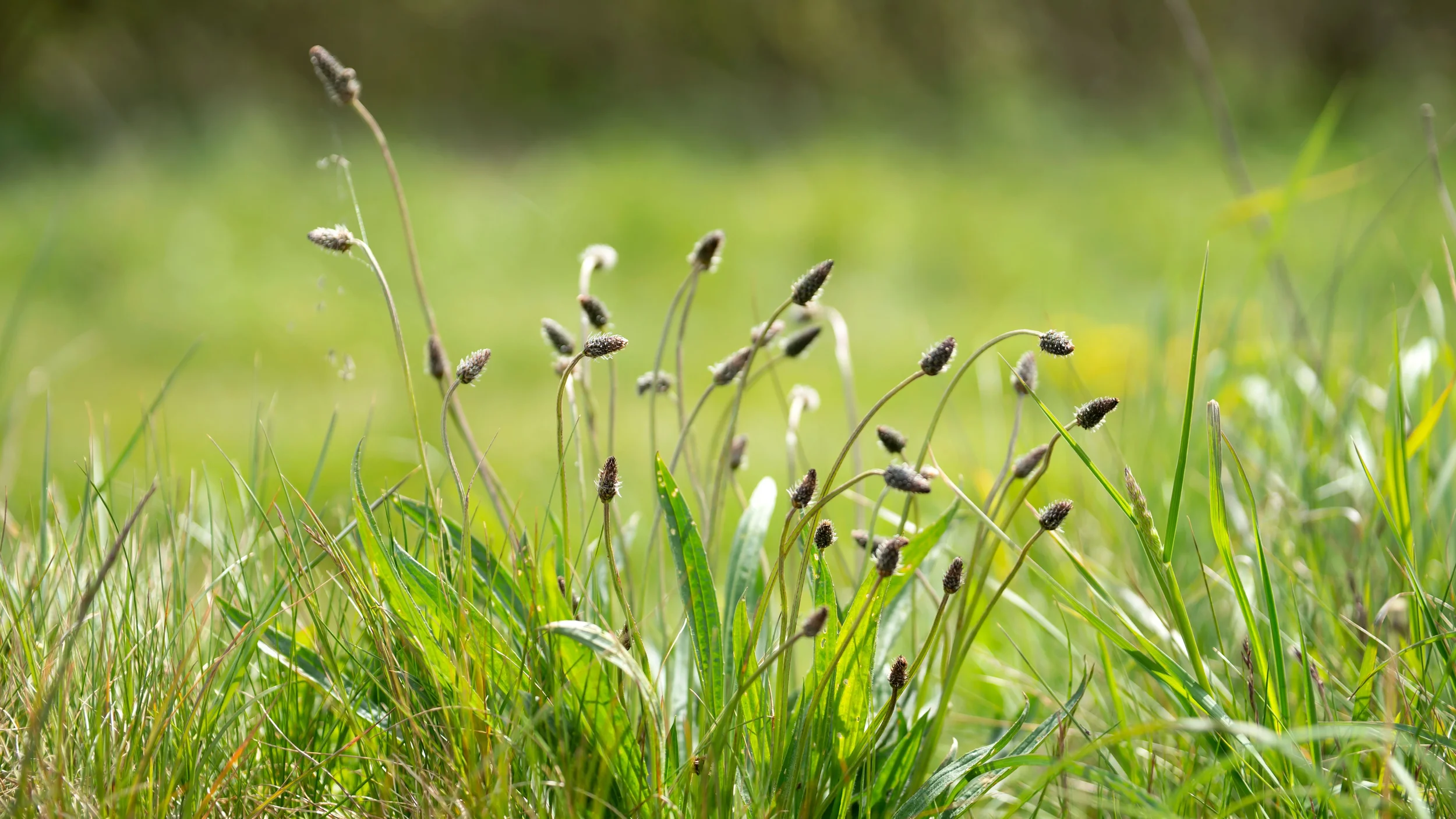
What Happens the Longer You Wait
Every season you let aggressive weeds go unchecked, they do more damage — not just to your lawn, but to your whole yard's ecosystem.
They grow faster than your local flowers, block the sunlight your garden needs, drink the water your plants compete for, and drain the soil of nutrients. The birds, bees, and butterflies that used to visit your yard quietly stop coming because the plants they depend on have been pushed out.
In winter, when these weeds die back and leave your soil bare, rain washes away the healthy topsoil that took years to build — straight into storm drains and local waterways. What happens in your yard doesn't stay in your yard.
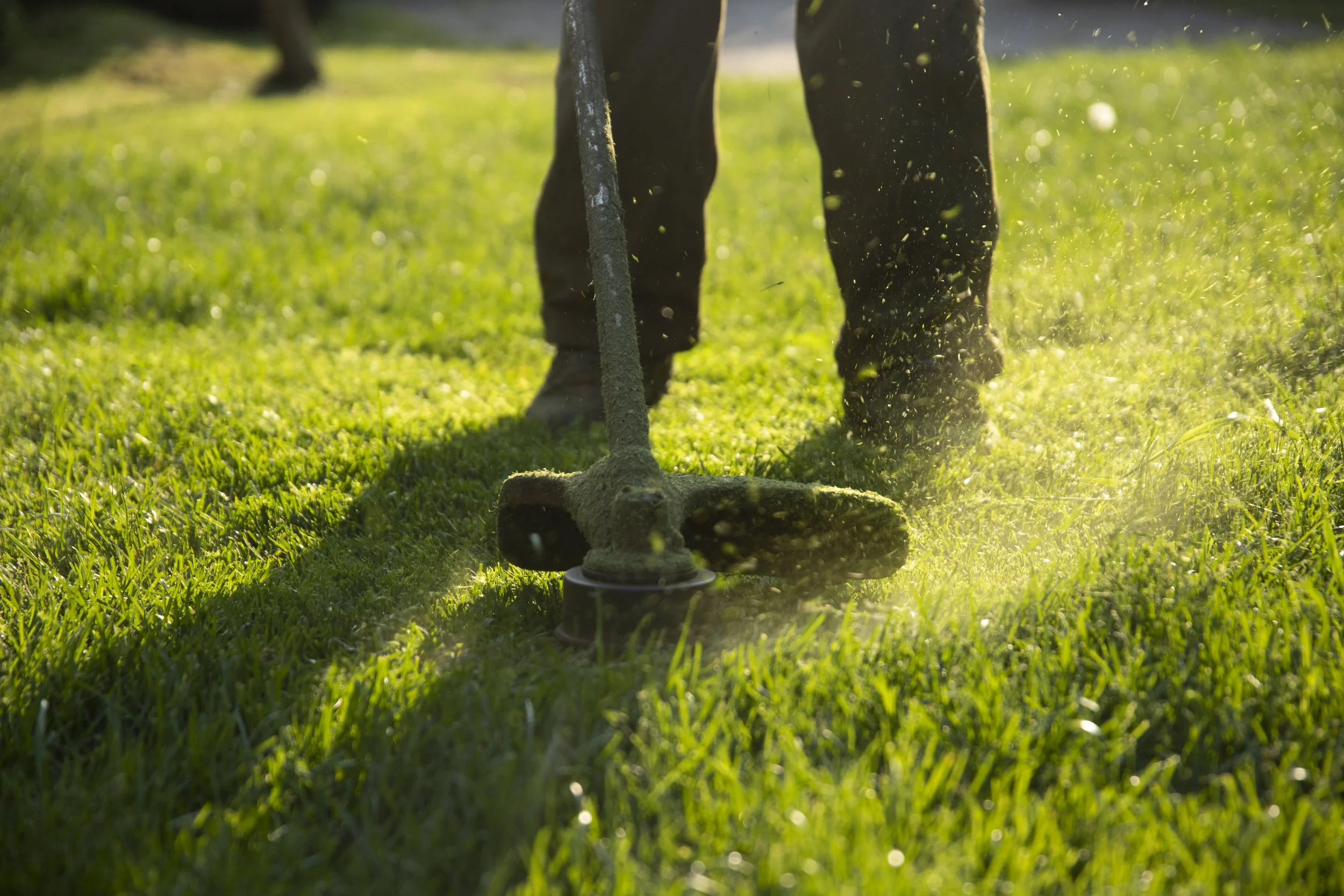
What You Can Actually Do About It
You don't need a professional landscaper or a garage full of chemicals. You need the right timing and a few simple habits.
Make your grass the priority. A thick, full lawn is your best natural defense. When your grass is healthy, it shades the soil and stops weed seeds from ever getting started. Try mowing at 3 to 4 inches — slightly taller than you might think — for most American grass types. That extra height makes a real difference.
Suit up before you explore the edges. Before you pull anything you don't immediately recognize, put on gloves and long sleeves. The corners of your yard, the fence line, the area under trees — that's where the unfamiliar stuff hides. Don't touch first and research later.
Get to them before they seed. The single most effective thing you can do is pull weeds in early spring, before they flower and drop seeds. One hour of work in March genuinely saves you ten hours in July — and prevents hundreds of new plants the following year.
Fill bare patches with plants that belong there. Native plants are naturally more competitive than invasive weeds in your region. They need less care, they don't spread uncontrollably, and they bring back the pollinators that make a backyard feel alive. The National Wildlife Federation's Native Plant Finder is free to use and tells you exactly what grows best in your zip code.
Learn to spot the warning signs before you touch anything
Spiky green clusters with coarse, sprawling blades → possible Crabgrass
Feathery leaves with tiny greenish flowers → possible Ragweed
Thick stems with red-purple blotches → possible Giant Hogweed
Clusters of exactly three leaves on a vine → possible Poison Ivy
Bright yellow sunburst flowers on hollow, leafless stems → possible Dandelion
If you're not sure what something is, photograph it and run it through iNaturalist or PictureThis — both are free and both are genuinely good at identification. Don't guess. Don't touch first.
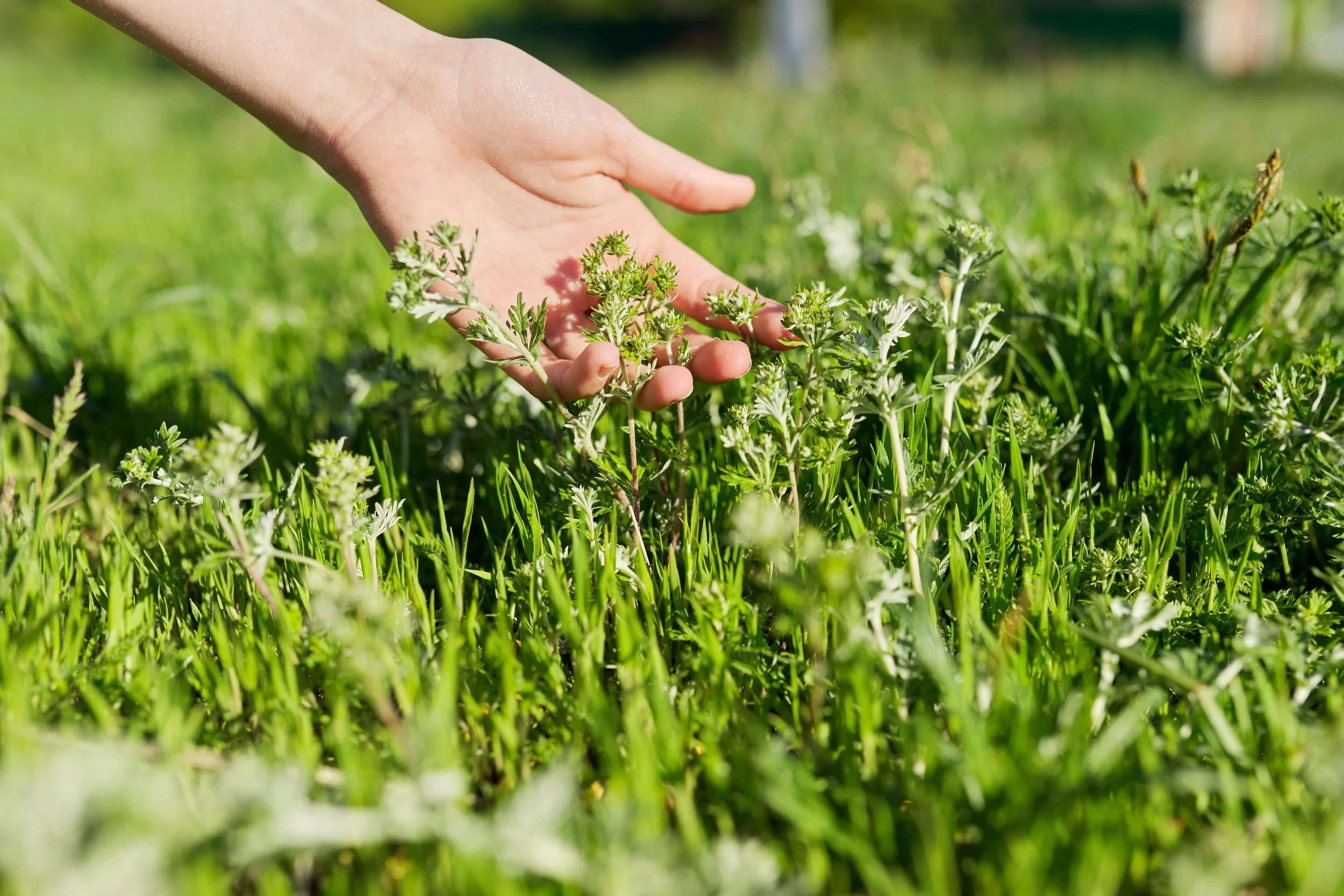
Here's What It Comes Down To
You've already put real effort into making your backyard a place your family wants to be. The last thing you want is for a plant you didn't even know was there to undo that — through a rash that lasts three weeks, an allergy season that keeps your kids inside, or something worse.
You don't need to become a plant expert. You just need to spend one afternoon getting familiar with your own yard — really familiar, not just the patio and the grass, but the edges and the corners and the stuff climbing your fence.
Take a slow walk around this weekend. Look closely. You might find nothing concerning at all — and that's great. Or you might find something that was quietly causing real problems, and now you'll know exactly what to do about it.
Either way, you'll know your space better than you did before. And that's exactly the kind of thing that keeps the people you care about safe.
Want your family yard to be hazard-free and beautiful?
We ensure your landscape is clean, healthy, and hazard-free, so you can focus on making memories.
You Might Also Want to Read
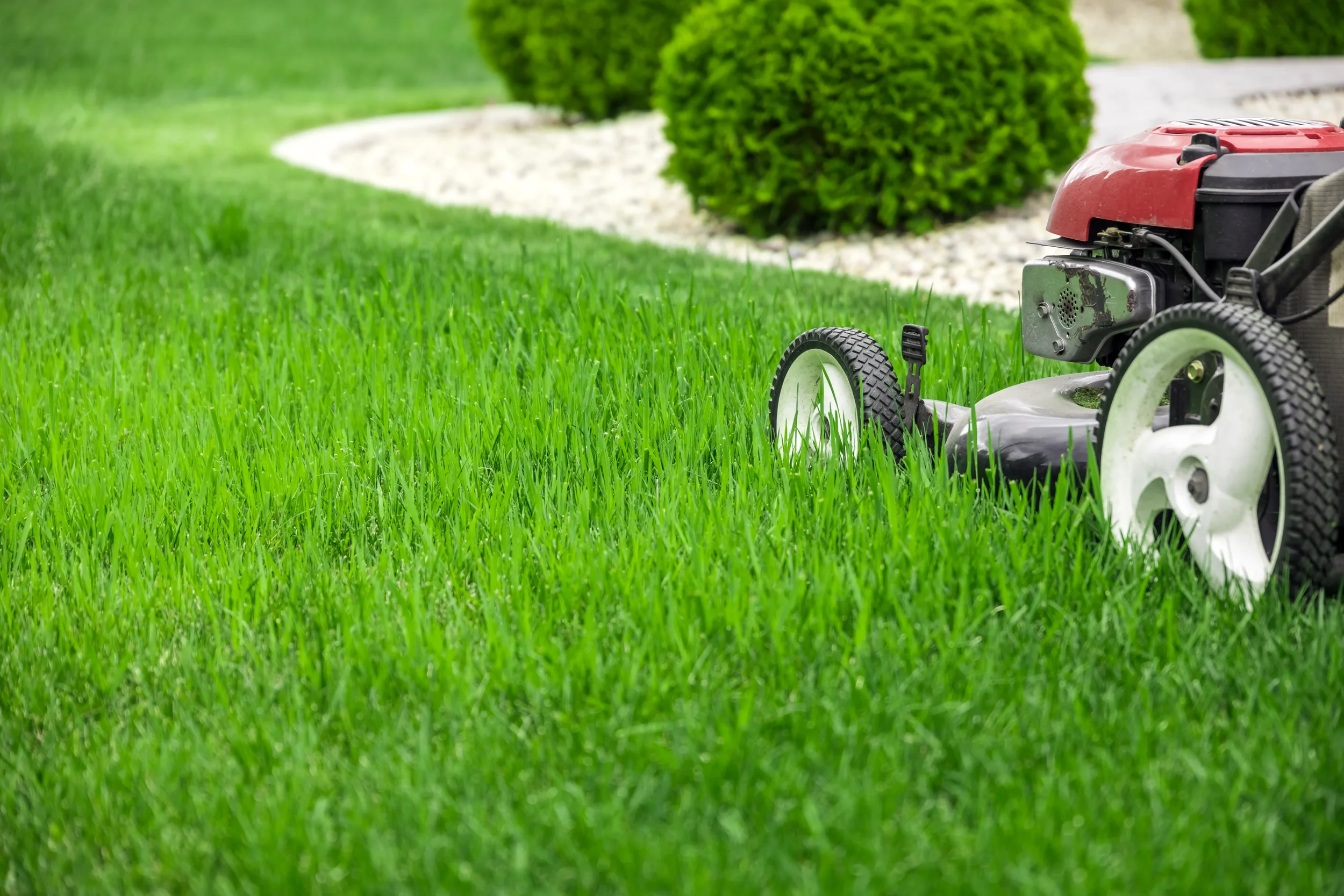
Lawn Care - FAQs
Get expert answers to common lawn care questions and discover the secrets to maintaining a lush, healthy green yard.
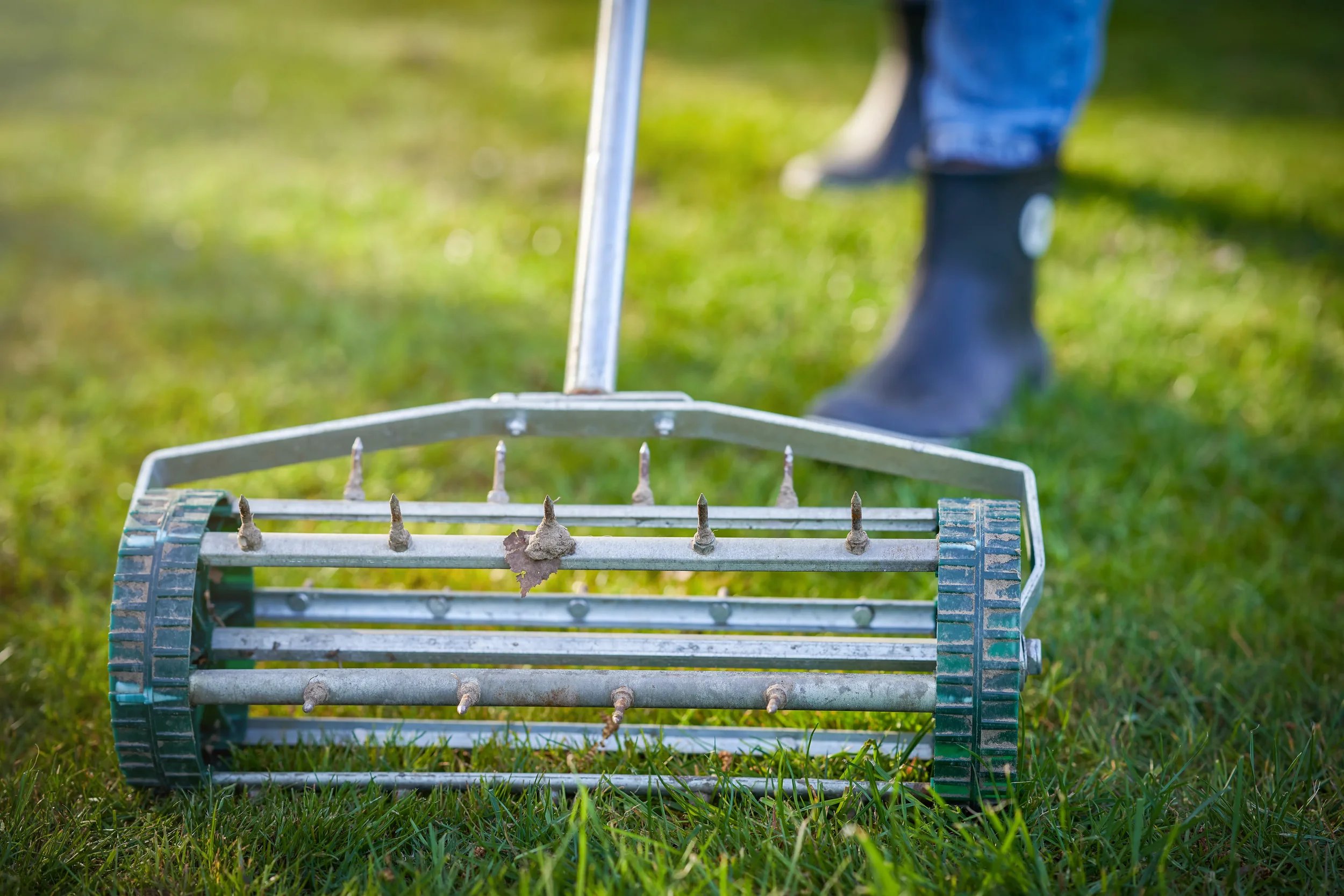
Benefits of Core Aeration & Overseeding
Revitalize your lawn with core aeration and overseeding for thicker, greener grass and a healthier, more resilient yard.
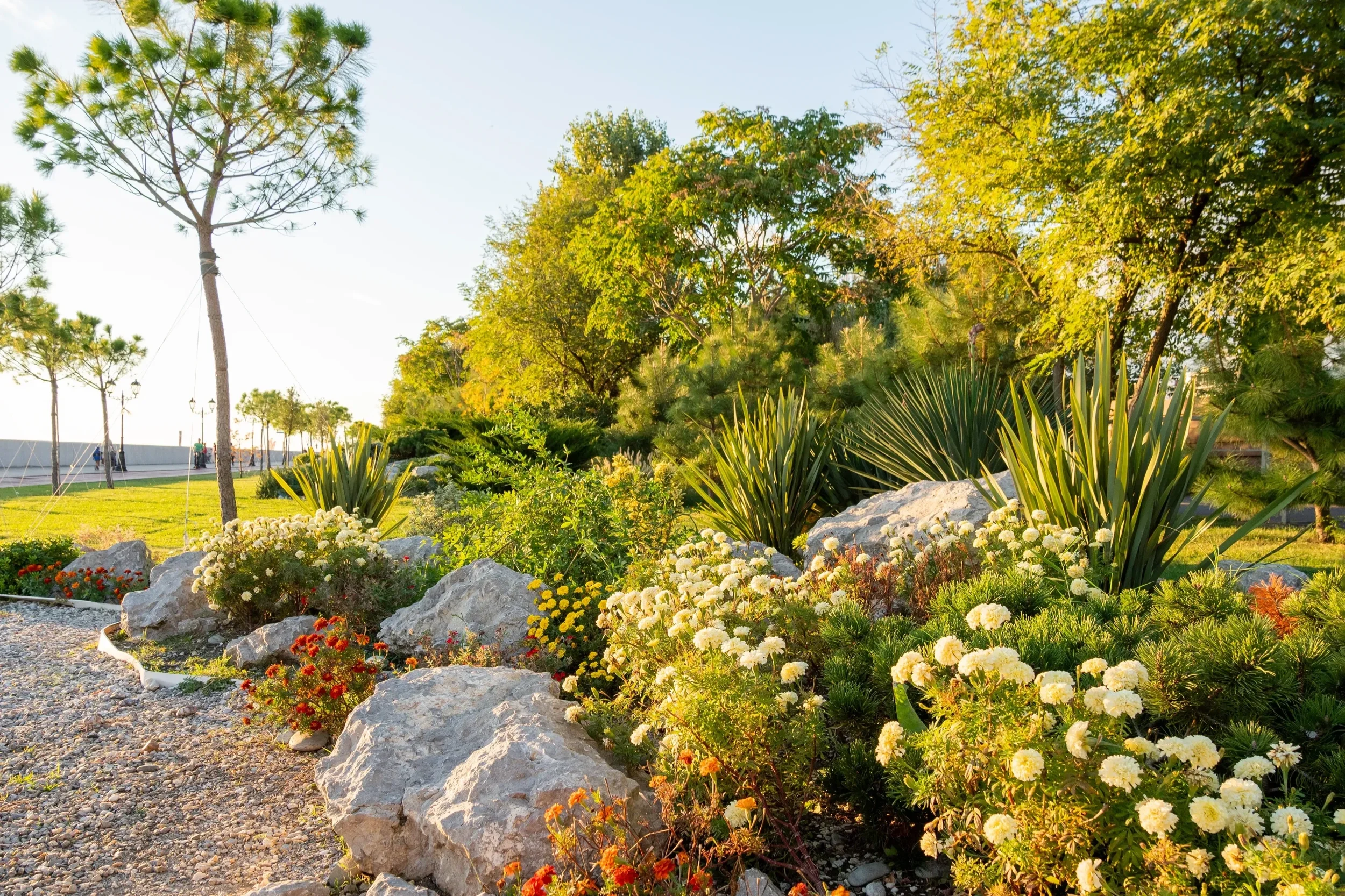
The Low-Water Landscape
Achieve a stunning, sustainable yard with our guide to low-water landscaping. Beautiful designs that save resources.
For additional questions or comments please feel free to call 304-707-0437 or email us at office@cornerstonelawnservices.com.
