
Saving Your Backyard Giants: The Simple Guide to Tree Cabling
Trees are the unsung heroes of our yards. They give us shade for summer BBQs, a pop of color in the fall, and a bit of history right in our backyards. But as these giants grow, they can run into some structural "growing pains" that put them—and your property—at risk.
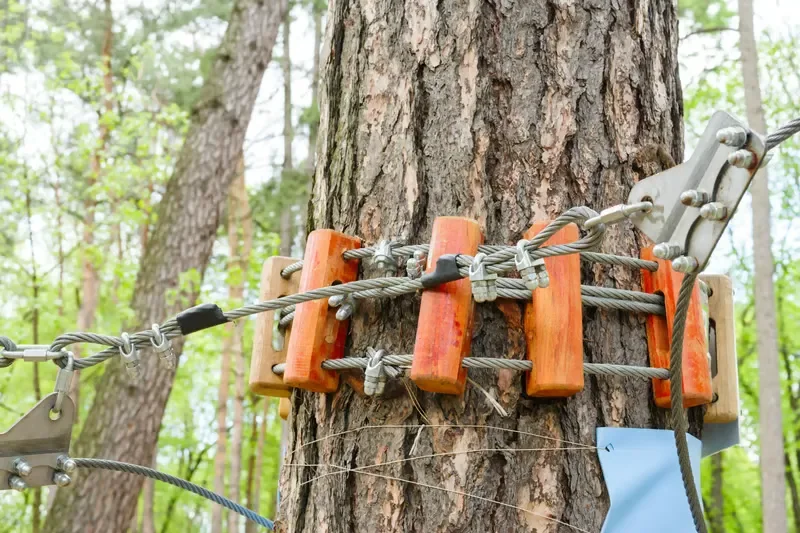
That’s where tree cabling and bracing come in. Think of it as physical therapy or a set of braces for a tree. These techniques give extra support to trees that are struggling to hold themselves up, helping them live longer and keeping your roof safe from falling limbs.
How the Hardware Works
The main goal of a support system is to stop heavy branches from swinging too wide or splitting away from the trunk.
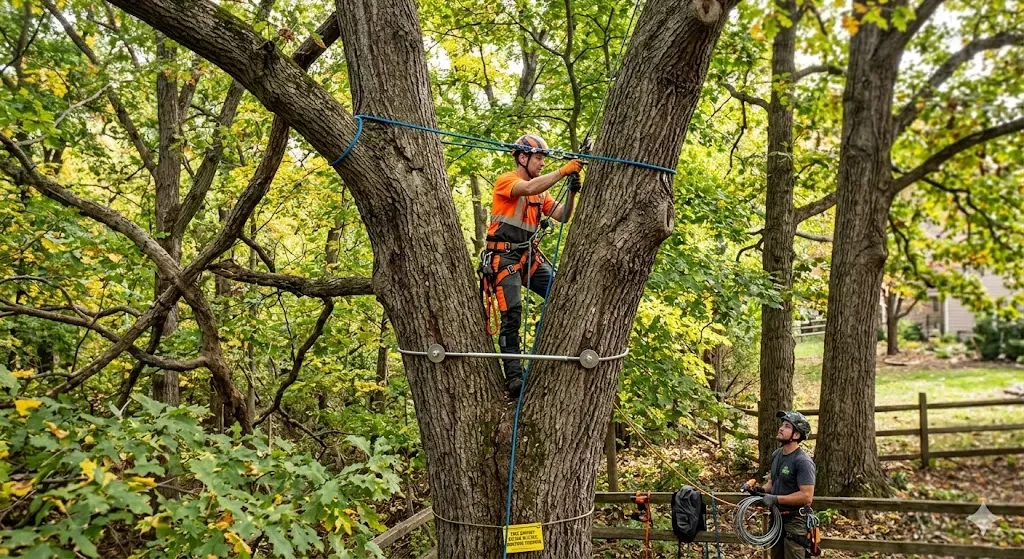
Tree Cabling: Arborists install flexible steel cables high up in the tree’s canopy. These aren't just tied around branches; they are carefully placed to act like a safety net. During a heavy windstorm or a snowload, the tree cabling redistributes that weight so one single branch doesn't have to carry it all.
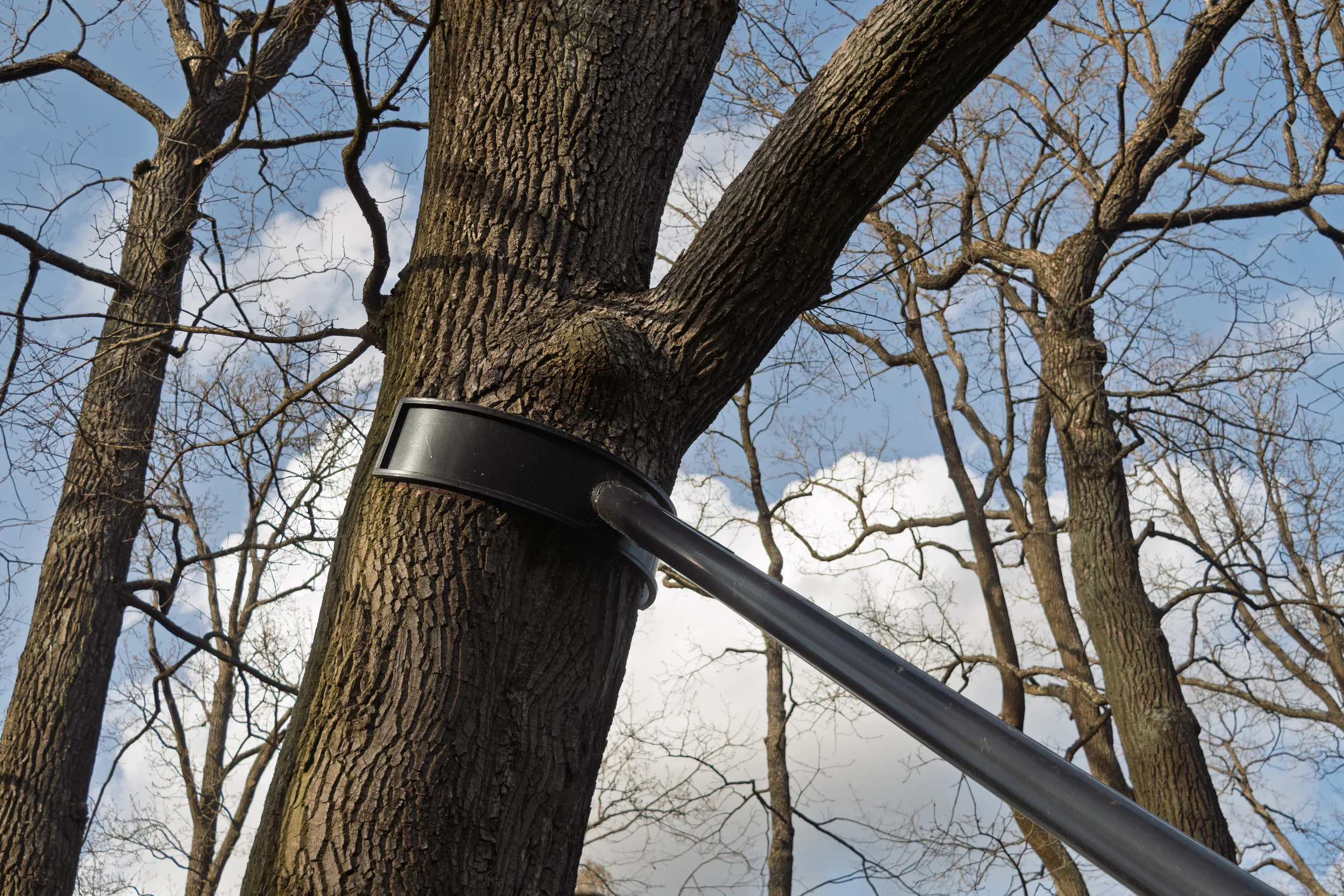
Bracing: This uses rigid steel rods. If a tree has a deep split at the base of a fork, an arborist drills a rod through the trunk to bolt it together. While tree cabling handles the "pulling" up top, bracing stops the "splitting" down below.
Red Flags: Does Your Tree Need Help?
Not every tree needs a support system, but there are a few "warning signs" that suggest it’s time to call an expert:
The V-Crotch: This is when a tree has two main trunks growing in a tight "V" shape. As they get bigger, they actually push against each other. This creates "included bark," which is basically a weak seam that is prone to snapping.
Long, Heavy Limbs: Branches that stretch out way too far act like a lever—the longer they are, the easier they are to break.
Cracks and Leans: If you see a visible crack in the wood or notice the tree is suddenly tilting toward your house, those are urgent cries for help.
Static vs. Dynamic: Which is Better?
There are two main ways to approach tree cabling, and the "right" one depends on the tree’s health.
Static Systems (The Rigid Approach)
These use steel cables and rods to lock everything in place. They are the best choice for trees that are already starting to fail. They offer absolute stability, though they do require drilling into the wood.
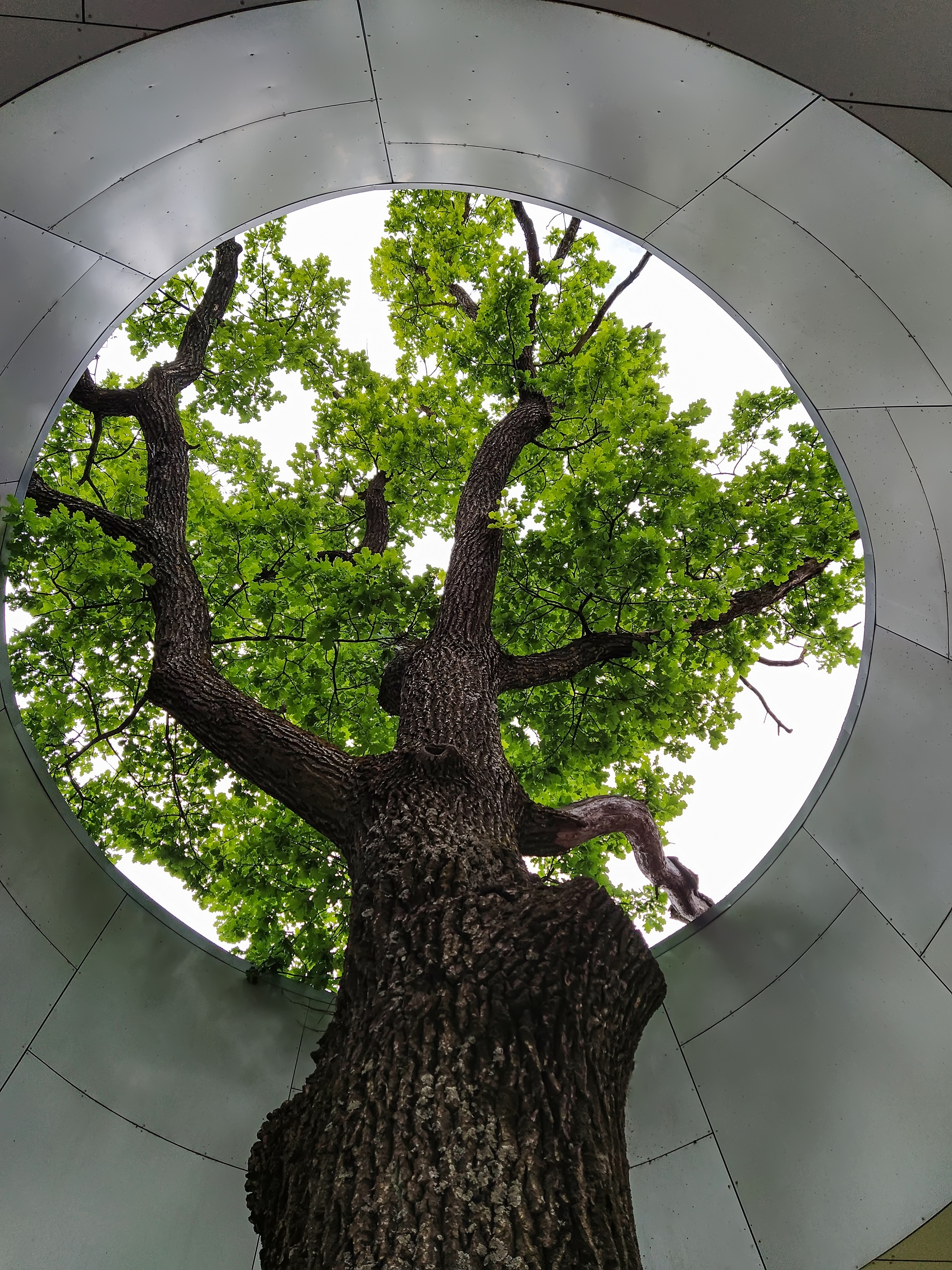
Dynamic Systems (The Flexible Approach)
Instead of steel, these use high-strength ropes. They allow the tree to sway naturally in a light breeze, which actually helps the tree grow "response wood"—its own natural way of getting stronger. The tree cabling only kicks in to "catch" the limb during a massive gust of wind.
Why You Shouldn't DIY This
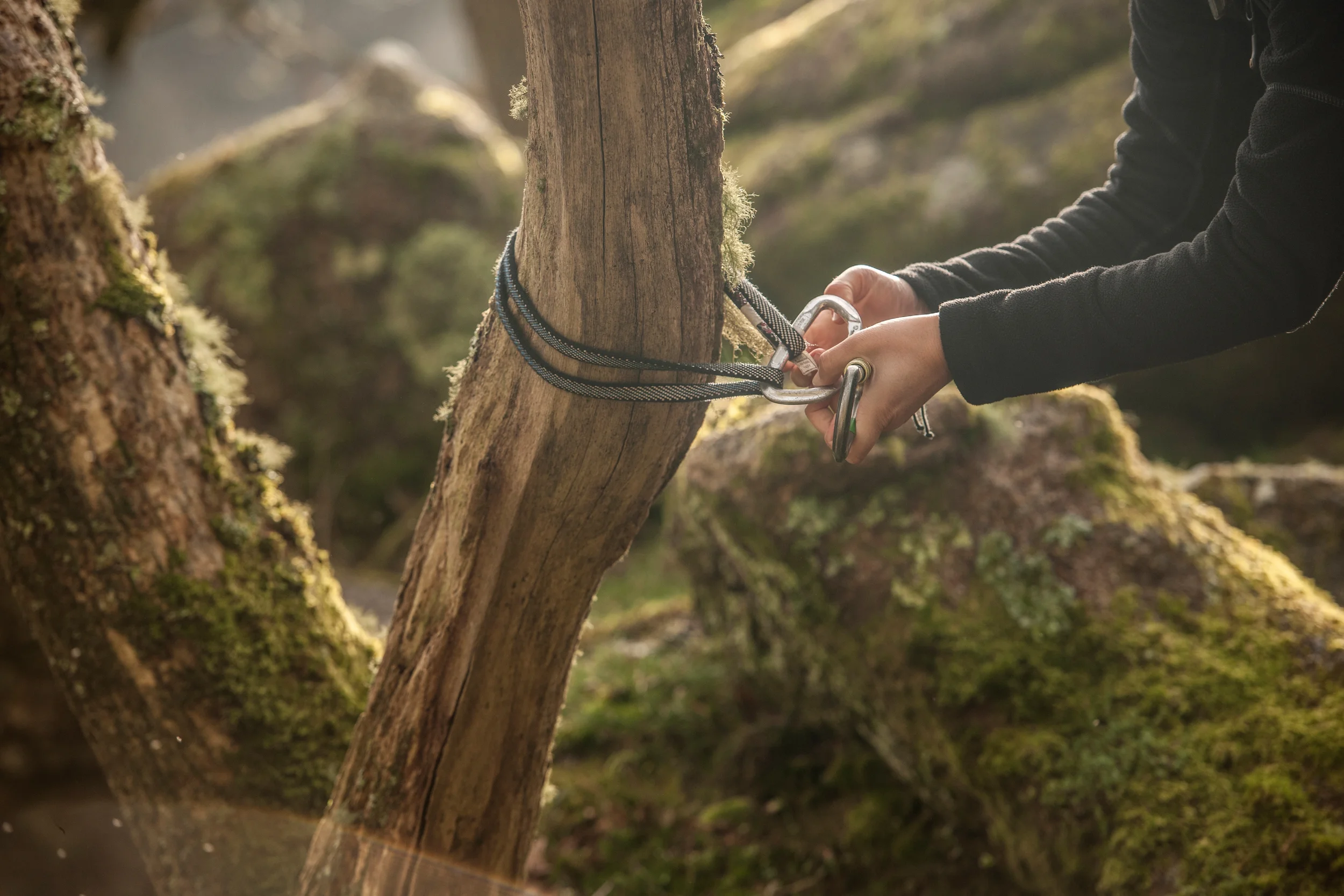
It might look like a simple hardware store project, but tree cabling is a science. If you put a cable in the wrong spot, you can actually change the tree's center of gravity and cause it to snap faster.
Professional arborists follow strict safety standards to make sure the tension is just right. Plus, these systems need a "check-up" every few years to make sure the tree hasn't grown over the hardware or weakened it.
The Bottom Line: Preservation Over Removal
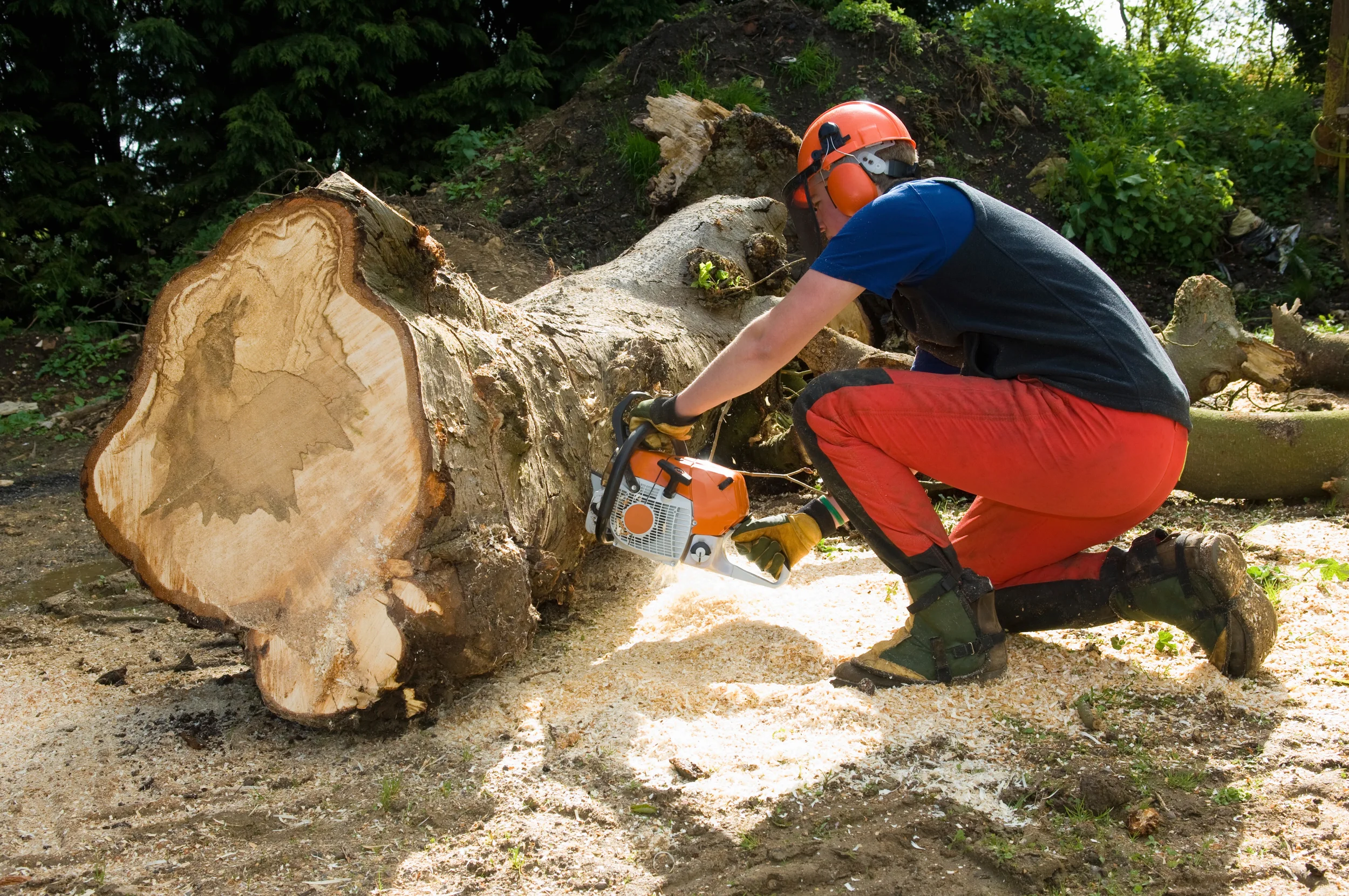
Choosing tree cabling is often a choice to save a piece of history. Removing a massive, mature tree is permanent and expensive. Supporting it is usually much more affordable and keeps that beautiful canopy over your home for years to come.
Think of it as a proactive move. The best time to look into tree cabling is on a clear, sunny day—not while you're watching a limb shake during a thunderstorm!
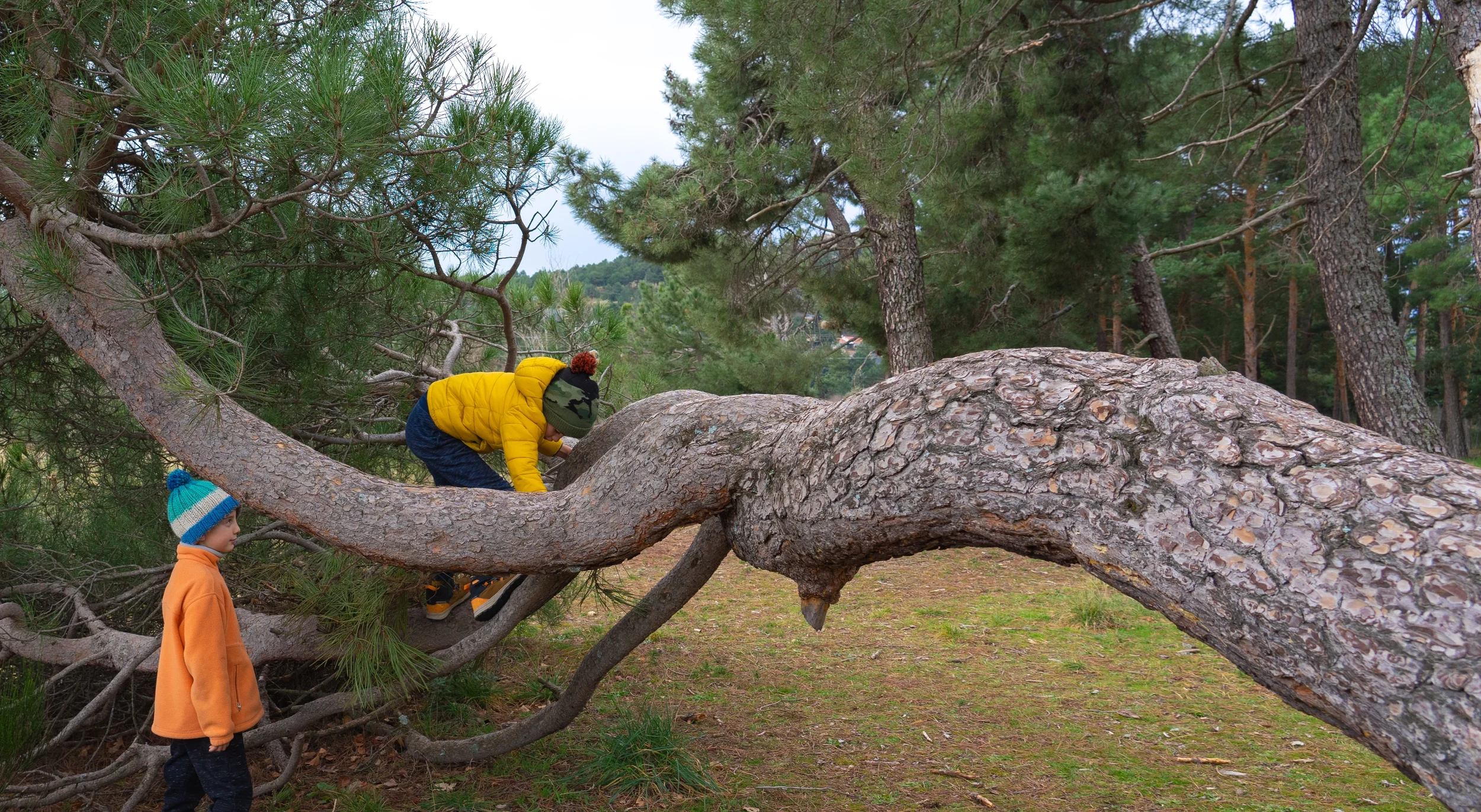
Are you worried about a heavy limb or a split trunk in your yard?
Our expert Cornerstone team is here to help you protect your "backyard giants" before the next big storm hits.
You Might Also Want to Read
The Low-Water Landscape
Achieve a stunning, sustainable yard with our guide to low-water landscaping. Beautiful designs that save resources.
10 Reasons to Hire a Professional Landscaper
Unlock a stunning yard and save time with these 10 essential reasons to hire a professional for your landscape needs.

What Makes Cornerstone Lawn Services Unique?
Discover the difference with our expert care, personalized service, and commitment to a stunning, healthy landscape.
For additional questions or comments please feel free to call 304-707-0437 or email us at office@cornerstonelawnservices.com
